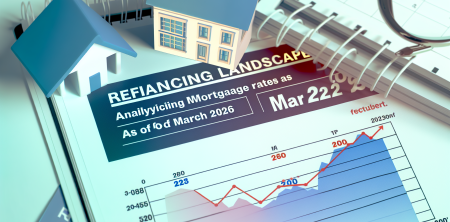
As of March 31, 2026, mortgage refinancing rates have shown a complex landscape marked by stability amidst fluctuations. According to data provided by Zillow, the average refinance rate for a 30-year fixed-rate home loan stands at 6.59%. This rate, while lower than peaks experienced earlier, remains significantly elevated compared to the historic lows seen during the pandemic.
Current Mortgage Rates Overview
The current mortgage rates as of late March reflect a broader trend in the housing market, where homeowners are grappling with the implications of rising interest rates. Here’s a breakdown of the average refinancing rates:
- 30-Year Fixed Rate: 6.59%
- 20-Year Fixed Rate: 6.63%
- 15-Year Fixed Rate: 5.88%
- 10-Year Fixed Rate: 5.42%
- Jumbo 30-Year Fixed Rate: 8.00%
- FHA 30-Year Fixed Rate: 6.33%
Understanding the Current Rates
The 30-year fixed-rate mortgage, often favored by homeowners for its stability, has seen a slight increase from previous months. The slight dip toward 6.5% observed in late February failed to hold, indicating a potential stabilization at these higher levels.
Meanwhile, the 20-year fixed-rate mortgage has edged up to 6.63%, while the shorter-term 15-year fixed-rate mortgage stands at 5.88%. The 10-year fixed-rate mortgage is currently at 5.42%, which may appeal to those looking for lower interest obligations over a shorter duration.
For those in the market for larger loans, the jumbo 30-year fixed mortgage rate is notably high at 8.00%. This rate is particularly relevant for buyers or homeowners looking to refinance loans that exceed the conforming loan limits. Additionally, the FHA 30-year fixed-rate mortgage is currently at 6.33%, making it a viable option for first-time homebuyers or those with lower credit scores.
Historical Context of Mortgage Rates
When compared to the pandemic lows of around 2-3%, the current rates represent a stark contrast. During the early stages of the COVID-19 pandemic, mortgage rates plunged to unprecedented lows, enabling many homeowners to refinance their loans and reduce their monthly payments significantly. However, the landscape has shifted dramatically as the economy has recovered, leading to higher rates.
According to a report by Redfin from Q3 2024, a staggering 82.8% of homeowners are currently holding mortgages with rates below 6%. This statistic underscores the challenge for many homeowners who may be considering refinancing now, as they weigh the benefits of lower rates from previous years against the current higher rates.
The Impact of Rising Rates on Homeowners
The rising refinancing rates have significant implications for homeowners looking to refinance. Many current mortgage holders may find themselves hesitant to take action, fearing that the potential savings from a refinance may not outweigh the costs associated with locking in a higher rate.
Experts suggest that homeowners should carefully assess their financial situations and long-term plans before making a decision. Factors to consider include:
- Current mortgage rate: If your existing mortgage rate is substantially lower than current rates, it may be wise to hold off on refinancing.
- Loan term: Shorter loan terms generally come with lower rates, which might be an attractive option for those looking to pay off their mortgage faster.
- Equity position: Homeowners with significant equity may have more favorable refinancing options available.
- Financial goals: Consider your long-term financial objectives. Are you looking to reduce monthly payments, shorten the loan term, or access cash through equity?
Looking Ahead: Market Predictions
As the housing market continues to evolve, many experts are keeping a close watch on economic indicators that could influence future mortgage rates. Factors such as inflation, Federal Reserve policies, and overall housing demand will play critical roles in shaping the direction of rates in the coming months.
While the current rates may seem daunting, there are still opportunities for homeowners to make informed decisions that align with their financial goals. Understanding the nuances of the mortgage landscape is essential for navigating this complex environment.
In conclusion, as of March 31, 2026, the refinance mortgage rates indicate a continued trend of higher costs for homeowners looking to refinance. With a significant percentage of homeowners locked into lower rates, the decision to refinance is not one to be taken lightly.

