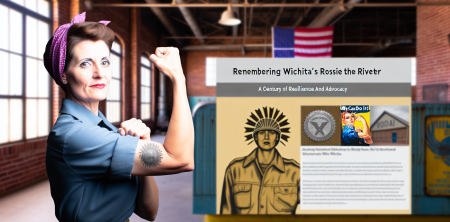
Wichita, Kansas, has lost a remarkable figure in its history with the passing of its beloved 'Rosie the Riveter' at the age of 101. This extraordinary woman not only symbolized the contributions of women during World War II but also dedicated her life to advocating for gender equality and inspiring future generations. Her legacy is a testament to resilience, patriotism, and the enduring spirit of women in the workforce.
The Legend of Rosie the Riveter
The iconic image of Rosie the Riveter emerged during World War II, epitomizing the millions of women who stepped into roles traditionally held by men as they went off to war. These women took on challenging jobs in factories, shipyards, and other industries crucial for the war effort. The phrase "We Can Do It!" became synonymous with their contributions, celebrating their strength and capability.
The figure of Rosie the Riveter was not just a character in a propaganda campaign; she represented real women making real sacrifices. In Wichita, this legacy was personified by a local woman whose life story became a source of inspiration for many.
A Life Dedicated to Advocacy
Born in the early 1920s, the woman known as Wichita's Rosie the Riveter spent her formative years in a time marked by economic hardship and the looming threat of global conflict. When World War II broke out, she, like many of her peers, felt compelled to contribute to the war effort. She took up a position in a factory, where she was instrumental in producing goods vital to soldiers overseas.
Her contributions did not end with the war. After returning to civilian life, she became a passionate advocate for women's rights, participating in numerous initiatives aimed at promoting gender equality in the workplace. Her efforts were crucial in raising awareness about the need for equal pay and opportunities for women, making her a respected figure in the local community.
Personal Stories of Resilience
Throughout her life, she shared personal anecdotes that illustrated both the challenges and triumphs of women in the workforce. Her narratives often emphasized the importance of resilience in the face of adversity. She recalled days spent working long hours in factories, the camaraderie she shared with fellow workers, and the pride they felt in contributing to their country's efforts.
Notably, her stories resonated with younger generations, who found in her experiences a call to action. She often spoke at schools and community events, encouraging young women to pursue careers in fields traditionally dominated by men. Her dedication to mentorship was evident, as she took the time to guide and inspire countless young women.
Community Tributes and Memorials
The news of her passing has sent ripples of sorrow through the Wichita community. Local leaders, organizations, and residents have come together to pay tribute to her remarkable life and legacy. Many described her as a beacon of hope and inspiration, a woman who not only lived through history but also shaped it.
In the wake of her death, plans for memorials and tributes have been announced. Community gatherings are being organized to celebrate her contributions and honor her memory. These events will serve as a reminder of her impact, as well as an opportunity for residents to reflect on the progress made in the fight for gender equality.
The Enduring Legacy of 'Rosie' in American History
The legacy of Rosie the Riveter is deeply embedded in American history. As a symbol of women's empowerment, her story transcends generations, reminding us of the important roles women have played in shaping society during times of crisis. The narrative of women stepping up during World War II has become a foundational story in the broader history of women's rights in the United States.
Her passing opens a dialogue about the ongoing struggle for gender equality. While significant strides have been made, the fight for equal pay, representation, and opportunities continues. The stories of women like Wichita's Rosie serve as a reminder of how far we have come and how much further there is to go.
Celebrating Women in the Workforce Today
As we remember Wichita's Rosie the Riveter, it is crucial to celebrate the many women today who continue to break barriers in various fields. From engineering and technology to politics and education, women are making their mark and contributing to the workforce in unprecedented ways.
Organizations across the country have recognized the importance of empowering women through mentorship programs, scholarships, and initiatives that promote women in leadership roles. The legacy of Rosie the Riveter lives on in these efforts, inspiring a new generation of women to pursue their dreams and advocate for equality.
Conclusion: A Call to Action
In conclusion, the passing of Wichita's Rosie the Riveter marks the end of an era but also serves as a powerful reminder of the impact one individual can have on a community and beyond. Her life was a testament to resilience, and her advocacy for gender equality continues to resonate today.
As we reflect on her contributions, let us honor her memory by continuing the fight for a more equitable society. Each of us can play a role in this ongoing struggle, whether through advocacy, mentorship, or simply by sharing the stories of those who came before us. In doing so, we ensure that the spirit of Rosie the Riveter will not only be remembered but will continue to inspire future generations to come.

