```html
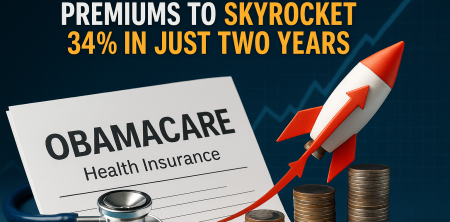
If you’re one of the millions of Americans relying on health insurance through the Affordable Care Act (ACA), commonly known as Obamacare, you’re likely bracing for another hit to your wallet. A recent analysis by KFF, a leading health policy research organization, paints a pretty stark picture: Obamacare premiums are projected to jump by a median of 14% in 2027. That’s not just a small bump; it’s the second consecutive year we’re seeing double-digit increases. When you factor in the median 20% premium hike that hit in 2026, we’re talking about a staggering increase of over one-third in typical premiums within a mere two-year span. For many, this isn't just an inconvenience; it's a genuine financial crisis brewing.
This escalating cost problem isn't happening in a vacuum. It’s a confluence of factors, from the ever-rising price of medical care and prescription drugs to the broader inflationary pressures that are squeezing every household budget. And let's not forget the expiration of enhanced federal subsidies, which, for a while, provided a much-needed cushion for many. Now, that safety net is gone, leaving middle-income families particularly vulnerable. As Obamacare premiums increase, the political debate around healthcare affordability is only going to intensify, especially with elections on the horizon. It's a critical moment for policyholders and politicians alike.
1. The Double-Digit Dilemma: Understanding the 2026 and 2027 Hikes
Let's break down these numbers because they tell a story of accelerating costs that can't be ignored. In 2026, the median premium increase for Obamacare plans was a substantial 20%. That alone was enough to make many people re-evaluate their budgets and perhaps even their coverage choices. But now, KFF is projecting another median jump of 14% for 2027. Think about that for a moment: if your premium was, say, $500 a month in 2025, it could have shot up to $600 in 2026, and then be on track to hit around $684 in 2027. That's nearly $200 more per month in just two years.
This isn't just about percentage points; it's about real money coming out of real people's pockets. For families already struggling with rising food prices, gas, and housing, an extra couple of hundred dollars a month for health insurance can be the difference between making ends meet and falling behind. It forces tough choices, sometimes pushing people to opt for higher-deductible plans or even go uninsured, which defeats the very purpose of the ACA – to expand access to affordable care. The cumulative effect of these consecutive double-digit increases means that the overall financial burden on consumers is growing at an alarming rate.
2. The Insurers' Justification: Why Premiums Are Soaring
When insurers file their preliminary rate requests, they don't just pull numbers out of thin air. They have to provide justifications, and those justifications offer a window into the underlying drivers of these escalating costs. The primary culprits, according to these filings, are pretty consistent: the soaring costs of medical care and prescription drugs. It’s a vicious cycle, isn't it? New medical technologies and treatments are constantly emerging, which is great for patient outcomes, but they often come with hefty price tags. And the pharmaceutical industry, well, that's a whole other can of worms, with drug prices continuing their relentless climb.
Beyond the direct costs of healthcare services, broader inflationary pressures are also playing a significant role. Just like everything else, the cost of running a healthcare system – from administrative overhead to staff wages – is going up. Hospitals need to pay more for supplies, equipment, and labor, and those increased costs inevitably get passed along to insurers, who then pass them along to consumers in the form of higher premiums. It's a complex web, but at the end of the day, you, the policyholder, are the one bearing the brunt of these economic realities. These factors mean Obamacare premiums increase as a direct reflection of the wider economic environment.
3. The Subsidy Cliff: How Enhanced Federal Aid's Expiration Hits Hardest
For a few years, many ACA enrollees received a significant reprieve thanks to enhanced federal subsidies, particularly those implemented during the COVID-19 pandemic and extended by subsequent legislation. These subsidies dramatically lowered monthly premium costs for millions, making coverage genuinely affordable for people who might otherwise have struggled. But, as with all temporary measures, they eventually expire. And that expiration is now a major factor in why Obamacare premiums increase so sharply for many.
When those enhanced subsidies vanished, it was like pulling a rug out from under a lot of households. Suddenly, the portion of the premium they were responsible for shot up, sometimes by hundreds of dollars a month. It's a particularly cruel twist for those who had grown accustomed to more manageable monthly payments. This 'subsidy cliff' means that while the sticker price of the premium might be increasing by 14%, the actual out-of-pocket increase for unsubsidized or newly unsubsidized individuals can feel much, much higher, leading to genuine financial distress and difficult decisions about maintaining coverage.
4. The Squeeze on Middle-Income America: Who Feels It Most
It’s a common misconception that everyone on an Obamacare plan receives subsidies. While a significant portion of enrollees do qualify for financial assistance based on income, there's a substantial segment of the population that falls into a particularly tough spot: middle-income Americans who earn too much to qualify for meaningful subsidies but not enough to comfortably absorb these double-digit premium increases. These are often families with stable jobs, perhaps small business owners or professionals, who are trying to do everything right.
For these individuals and families, the projected 14% increase in 2027, on top of the 20% in 2026, means their health insurance costs could surge by thousands of dollars annually. Unlike lower-income individuals who might see their net premiums relatively stable due to subsidies adjusting, these middle-income earners bear the full brunt of the sticker price. They're caught in a financial vise, forced to cut back in other areas of their budget, dip into savings, or even take on debt just to maintain health coverage. It highlights a critical flaw in the current subsidy structure that leaves a significant portion of the population vulnerable to market fluctuations and rising costs. (See: CDC on healthcare costs.)
5. Navigating the Marketplace: Strategies for Consumers Facing Higher Costs
So, what's a consumer to do when faced with the reality that Obamacare premiums increase year after year? It's not about throwing your hands up in despair; it's about being proactive and exploring every available option. First and foremost, don't automatically re-enroll in your current plan. This is a common mistake. Every year, you should actively shop around on the healthcare marketplace during open enrollment. Plans change, new insurers enter the market, and your personal circumstances might have shifted, making a different plan a better fit.
Consider different metal tiers. While a Gold plan might offer lower deductibles, a Silver or Bronze plan will almost certainly have lower monthly premiums. You need to weigh the trade-off: are you willing to pay more out-of-pocket for medical care (higher deductible, higher co-pays) in exchange for a lower monthly bill? For those who are generally healthy and don't expect frequent medical visits, a higher-deductible plan could save a lot of money over the course of a year. Also, look into Health Savings Accounts (HSAs) if you qualify; they offer tax advantages for saving for medical expenses. Don't be afraid to use the marketplace's tools to compare plans side-by-side, considering not just premiums but also deductibles, out-of-pocket maximums, and prescription drug coverage.
6. The Political Hot Potato: Healthcare Affordability and Upcoming Elections
You can bet your bottom dollar that these rising Obamacare premiums are going to be a major talking point in upcoming elections. Healthcare affordability has consistently ranked as one of the top concerns for American voters, and when premiums are jumping by a third in two years, that concern escalates into outrage. Politicians on both sides of the aisle will be scrambling to offer solutions, or at least to point fingers.
For Democrats, who largely champion the ACA, the challenge will be to defend the program while simultaneously proposing measures to rein in costs. Expect calls for strengthening subsidies, negotiating drug prices more aggressively, or even expanding public options. Republicans, on the other hand, will likely use these premium hikes as further evidence that the ACA is fundamentally flawed and unsustainable, advocating for market-based reforms, deregulation, and a greater emphasis on individual choice and competition. Regardless of party, the pressure to address the rising cost of healthcare, especially as Obamacare premiums increase, will be immense. Voters are tired of feeling like they’re being held hostage by a system that seems to get more expensive by the day.
7. Beyond Premiums: The Full Scope of Healthcare Costs
It's crucial to remember that premiums are just one piece of the puzzle when it comes to healthcare costs. While a 14% or 20% increase in your monthly bill is certainly painful, it doesn't account for the entire financial burden. You also have to consider deductibles, co-payments, co-insurance, and out-of-pocket maximums. For many plans, particularly those with lower premiums, the deductible can be thousands of dollars, meaning you're on the hook for a significant amount of medical care before your insurance even starts to pay its share.
Then there are prescription drug costs, which, as insurers noted, are a major driver of these premium increases in the first place. Even with insurance, many popular drugs carry high co-pays or might not be fully covered, leaving patients to pay a substantial portion. The full scope of healthcare costs for an average American family is far more complex than just the monthly premium; it's a dynamic and often unpredictable expense that can quickly derail a household budget, especially if someone faces a serious illness or accident. This holistic view is essential to understanding the true impact when Obamacare premiums increase.
8. The Quest for Alternatives: What Consumers Are Searching For
When people see their Obamacare premiums increase so dramatically, their natural instinct is to look for alternatives. This drives a significant amount of commercial search intent online. People are actively searching for terms like "best health insurance plans," "Obamacare alternatives," and "health insurance quotes." They're not just complaining; they're looking for actionable solutions to mitigate their rising costs. This is where the market for private health insurance, short-term plans, and even health sharing ministries sees increased interest.
While many of these alternatives might not offer the same comprehensive coverage or consumer protections as an ACA plan, their lower monthly premiums can be incredibly tempting for those struggling financially. It's a dangerous tightrope walk for consumers: balancing the need for affordability with the crucial importance of adequate coverage in case of a serious medical event. The rise in searches for these alternatives is a clear indicator of the widespread discontent and financial pressure building among the millions who rely on the ACA for their health coverage.
9. Looking Ahead: Will the Trend of Rising Costs Continue?
The big question on everyone's mind, especially those planning their budgets for the next few years, is whether this trend of substantial premium increases will continue. Unfortunately, without significant policy changes or a dramatic shift in the underlying economics of healthcare, it’s hard to be optimistic. The drivers of these increases – rising medical and drug costs, general inflation, and the absence of enhanced subsidies – aren't going away anytime soon. Unless there's a concerted effort to tackle these systemic issues, we could be looking at a future where Obamacare premiums increase steadily, continuing to outpace wage growth for many Americans.
This situation puts immense pressure on policymakers to find sustainable solutions that address both affordability and access. Simply tweaking the subsidy structure might provide temporary relief, but it won't fix the fundamental problem of an increasingly expensive healthcare system. The debate over healthcare in America is far from over, and these escalating premium costs are only fanning the flames, making it a central issue for years to come. For consumers, staying informed and proactively exploring all options will be key to navigating this challenging landscape.
10. The Role of Medical Innovation and Technology: A Double-Edged Sword
It's easy to point fingers at insurers or pharmaceutical companies, but the landscape of medical innovation also plays a complex role in why Obamacare premiums increase. Breakthroughs in medical technology, from advanced diagnostic tools like MRIs and genetic testing to sophisticated robotic surgeries and targeted therapies for cancer, offer incredible benefits for patient health and longevity. These innovations can transform once-fatal diseases into manageable chronic conditions. However, the research, development, and deployment of these cutting-edge technologies come at a significant cost. (See: NIH research on healthcare affordability.)
When a new drug or treatment emerges, it often commands a premium price due to the immense investment in its creation and the value it brings. Insurers then have to factor these higher costs into their calculations. While patients benefit from better care, the collective impact of widespread adoption of these expensive innovations translates directly into higher healthcare expenditures, which are ultimately reflected in your monthly premium. It's a classic economic dilemma: how do we balance the desire for the best possible medical care with the need for affordability? This dynamic ensures that as long as medical science continues to advance, a certain upward pressure on healthcare costs, and therefore premiums, will remain.
11. The Impact of Provider Consolidation: Less Competition, Higher Prices?
Another significant, yet often overlooked, factor contributing to rising healthcare costs is the increasing consolidation within the healthcare provider market. We're seeing fewer independent hospitals and physician groups and more large healthcare systems buying up smaller practices. While proponents argue that consolidation can lead to greater efficiencies and better coordinated care, critics contend that it often reduces competition, giving these larger systems more leverage to negotiate higher prices with insurers.
When an insurer has fewer hospitals or doctor groups to choose from in a particular region, those providers can demand higher reimbursement rates for their services. Since insurers operate on a razor-thin margin, these higher reimbursement rates inevitably get passed on to consumers in the form of higher premiums. A study by the American Medical Association, for example, found that hospital mergers often lead to significant price increases without corresponding improvements in quality. So, as Obamacare premiums increase, part of that rise could be linked to less competition among healthcare providers in your local area, making it harder for insurers to keep costs down.
12. State-Specific Variations: Why Your Zip Code Matters
While the KFF report provides national median increases, it's crucial to understand that healthcare is largely a local market. The actual premium hikes you experience can vary wildly depending on where you live. State regulations, the number of insurers participating in your state's marketplace, local healthcare costs, and even the health status of the insured population within a state all play a role.
Some states have robust marketplaces with many competing insurers, which can help keep premium growth in check. Other states might have only one or two insurers, giving those few companies more power to dictate prices. Additionally, states have different rules regarding how much insurers can raise rates and what benefits they must cover. For instance, a state with a higher prevalence of chronic conditions or an aging population might see higher average medical claims, which then translates into higher premiums for everyone. So, while the national average suggests Obamacare premiums increase by a certain percentage, your personal experience could be much higher or, in some fortunate cases, slightly lower, underscoring the importance of checking your specific state's marketplace data.
13. Behavioral Economics and Healthcare Utilization: How We Use Our Plans
It's not just the cost of services that drives premiums; it's also how people use their health insurance. The field of behavioral economics shows us that people's choices about healthcare utilization can indirectly affect overall costs. For example, if people with lower-deductible plans are more likely to visit the doctor for minor issues, or if there's an increase in elective procedures, this higher utilization of services adds to the total claims paid out by insurers.
Similarly, a lack of preventative care, perhaps due to high deductibles in Bronze plans, can lead to more serious, expensive conditions down the line. While the ACA aims to encourage preventative care, the financial barriers for some plans can still be a deterrent. Insurers closely track these utilization patterns. If they observe an increase in claims frequency or severity among their enrollees, they'll adjust future premiums accordingly. So, the collective health behaviors and choices of the insured pool are another subtle, yet significant, factor influencing why Obamacare premiums increase.
14. Expert Perspectives: What Economists and Policy Analysts Are Saying
Healthcare economists and policy analysts generally agree on the core drivers of these premium increases but often differ on the most effective solutions. Many economists point to the lack of true market competition in healthcare, particularly among providers and pharmaceutical companies, as a fundamental issue. They argue that without stronger antitrust enforcement or alternative models that incentivize price transparency and competition, costs will continue their upward trajectory.
Policy analysts often focus on the legislative levers available. Some advocate for re-establishing and making permanent the enhanced federal subsidies, arguing that affordability is paramount and the government has a role in ensuring access. Others suggest more aggressive government negotiation of drug prices, similar to practices in other developed countries. There's also a growing discussion around value-based care models, where providers are paid for patient outcomes rather than the volume of services, as a potential long-term strategy to rein in costs. The consensus is clear: the current path isn't sustainable, and a multifaceted approach is required to tackle the complex issue of rising healthcare costs when Obamacare premiums increase.
Frequently Asked Questions (FAQ) About Rising Obamacare Premiums
Q1: What exactly is driving these double-digit increases in Obamacare premiums?
A1: The primary drivers are a combination of factors: the continuously rising cost of medical care and prescription drugs, broader inflationary pressures affecting healthcare system operations, and the expiration of enhanced federal subsidies that previously cushioned the financial blow for many enrollees. Insurers cite these factors in their rate filings.
Q2: Who is most affected by these rising premiums?
A2: While everyone enrolled in an ACA plan feels the impact, middle-income individuals and families are often hit the hardest. They typically earn too much to qualify for significant subsidies, meaning they bear the full brunt of the premium increases without much financial assistance.
Q3: What were the enhanced federal subsidies, and why did they expire?
A3: Enhanced federal subsidies were temporary financial aid measures, particularly expanded during the COVID-19 pandemic and extended by legislation, designed to make ACA plans more affordable by lowering monthly premiums. They expired because they were always intended as temporary measures, and Congress did not vote to extend them indefinitely.
Q4: What can I do to keep my health insurance costs down?
A4: You should actively shop around on the healthcare marketplace during open enrollment each year. Compare different metal tiers (Bronze, Silver, Gold) to find a plan that balances premiums with deductibles and out-of-pocket maximums. Consider higher-deductible plans if you're generally healthy, and look into Health Savings Accounts (HSAs) if eligible for tax advantages. health insurance costs offers useful background here.
Q5: Will these premium increases continue in the future?
A5: Without significant policy changes to address the underlying drivers of healthcare costs (medical innovation costs, drug prices, provider consolidation, inflation), it's likely that premiums will continue to rise. The current trend suggests ongoing pressure on affordability for ACA enrollees.
Q6: Are there alternatives to Obamacare plans if I can't afford the premiums?
A6: Yes, some people explore alternatives like private health insurance outside the marketplace, short-term health plans, or health sharing ministries. However, it's crucial to understand that these alternatives often offer different levels of coverage and consumer protections compared to ACA plans, so careful research is essential.
Q7: How do state regulations impact premium costs?
A7: State regulations play a significant role. States have varying rules regarding insurer participation, rate review processes, and mandated benefits. The level of competition among insurers within a state's marketplace and the overall health of its population also influence local premium levels, often leading to significant variations compared to national averages.
```
Trending Now
Frequently Asked Questions
Why are Obamacare premiums increasing?
Obamacare premiums are projected to rise due to a combination of factors, including the increasing costs of medical care and prescription drugs, inflationary pressures, and the expiration of enhanced federal subsidies that previously helped lower costs for many families.
What percentage will Obamacare premiums rise in 2027?
Obamacare premiums are expected to increase by a median of 14% in 2027, following a significant 20% hike in 2026, resulting in a total increase of over 34% within just two years.
How do rising premiums affect middle-income families?
The rising Obamacare premiums particularly impact middle-income families, as they are often more vulnerable to the financial strain caused by increased healthcare costs and the loss of subsidies that previously provided relief. We covered health industry insights in more detail.
What was the median premium increase for Obamacare in 2026?
In 2026, the median premium increase for Obamacare plans was a substantial 20%, prompting many individuals to reassess their budgets and insurance coverage options.
What factors contribute to the rising cost of healthcare premiums?
The rising cost of healthcare premiums is influenced by several factors, including escalating medical and prescription drug prices, broader inflationary trends, and the recent expiration of enhanced federal subsidies that had helped many policyholders.
What did we miss? Let us know in the comments and join the conversation.

