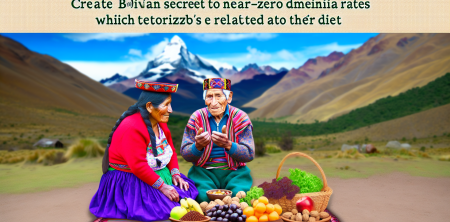
The quest for longevity and cognitive health has led scientists to investigate various lifestyles and diets around the world. One of the most astonishing revelations comes from a Bolivian tribe known as the Tsimane, whose members reportedly experience dementia at a rate of only 1%. This statistic is staggering when compared to the significantly higher percentages seen in Western countries, where dementia is a growing concern as populations age. But what exactly is the secret behind the Tsimane tribe and their remarkable neurological health? Researchers believe the answer lies in their unique Bolivian tribe dementia diet and lifestyle choices.
The Tsimane: A Glimpse into Their World
The Tsimane people inhabit a remote region of Bolivia, primarily in the Amazon rainforest. Their traditional way of life has remained largely intact, allowing them to avoid many of the modern conveniences and dietary pitfalls that plague contemporary society. Their environment, coupled with their ancestral practices, plays a crucial role in fostering their overall health and cognitive function.
A Life of Movement
One of the most striking differences between the Tsimane and Western populations is their level of physical activity. On average, Tsimane individuals walk about 17,000 steps daily. This level of movement is far beyond the recommended 10,000 steps that many health experts advocate for in developed countries. The Tsimane engage in their daily activities, which include hunting, fishing, and farming, often requiring considerable physical exertion.
This active lifestyle not only helps maintain physical health but also contributes to cognitive vitality. Exercise has been linked to improved brain function and reduced risk of cognitive decline. The Tsimane's habitual movement may play a critical role in keeping their minds sharp as they age.
Dietary Choices: Nature's Pharmacy
In addition to their active lifestyle, the Tsimane consume a diet that is largely free from processed foods. Instead, they rely on traditional foods that are rich in nutrients. Their diet primarily consists of:
- Whole grains: The Tsimane cultivate crops like rice, maize, and plantains, which provide essential carbohydrates and fiber.
- Lean proteins: Their diet includes fish, meat, and plant-based sources of protein, all of which contribute to muscle health and cognitive function.
- Fruits and vegetables: Fresh produce forms a significant part of their meals, offering vital vitamins, minerals, and antioxidants that protect against oxidative stress.
This adherence to a natural diet has not only supported their physical health but has also been associated with lower incidences of chronic diseases and cognitive decline.
Modern Diets vs. Traditional Practices
The stark contrast between the Tsimane and modern diets raises important questions about the impact of processed foods on brain health. In contrast to the Bolivian tribe dementia diet that emphasizes whole, unprocessed ingredients, many Western diets are characterized by high levels of sugar, unhealthy fats, and artificial additives. Studies have linked such diets to an increased risk of developing dementia and other cognitive impairments.
As our society becomes more reliant on convenience foods, the implications for mental health and longevity become increasingly concerning. The Tsimane’s commitment to traditional dietary practices serves as a stark reminder of the benefits of whole foods and natural living.
Social Connections and Mental Health
Another factor contributing to the Tsimane's exceptional cognitive health is their social structure. The tribe places a strong emphasis on community and familial bonds. These social connections provide emotional support, reduce stress, and create a sense of belonging—all of which are essential for mental health.
Studies have shown that social engagement and strong relationships can support cognitive function and help stave off dementia. In contrast, the isolation often experienced in modern societies may contribute to cognitive decline, highlighting the importance of community in maintaining mental acuity.
The Global Interest in the Tsimane's Findings
As news of the Tsimane's low dementia rates spreads, people around the world are becoming increasingly curious about their lifestyle choices. The findings from the research have sparked massive engagement on social media platforms, where individuals search for natural ways to prevent dementia and improve their cognitive health.
Health advocates and researchers alike are urging the public to reevaluate their own dietary habits and lifestyle choices. The Tsimane tribe's remarkable neurological health serves as a case study, demonstrating that adopting certain aspects of their lifestyle could benefit people living in modern contexts.
Adopting the Tsimane Lifestyle
For those looking to incorporate elements of the Tsimane lifestyle into their own lives, here are some practical suggestions:
- Increase physical activity: Aim to walk more each day. Consider incorporating activities such as hiking, dancing, or engaging in sports that promote movement.
- Focus on whole foods: Prioritize fresh fruits, vegetables, whole grains, and lean proteins over processed and sugary foods. Cooking at home can help avoid unhealthy additives.
- Cultivate social connections: Invest time in building relationships with family and friends. Participate in community events and engage in social activities that foster connection.
By making these changes, individuals may improve not only their physical health but also their cognitive function, potentially reducing the risk of dementia.
The Future of Dementia Research
The Tsimane tribe's health offers a unique perspective in the field of dementia research. As scientists continue to study their diet and lifestyle, new insights may emerge that could inform public health initiatives and personal health strategies. The striking differences between traditional and modern lifestyles highlight the need for further exploration into how our choices impact brain health.
As researchers delve deeper into the connection between diet, lifestyle, and cognitive function, the hope is that more individuals will become aware of the value of adopting healthier habits. The Tsimane's near-zero dementia rates serve as an inspiring beacon for those seeking to enhance their cognitive resilience.
Conclusion: Lessons from the Tsimane
The Tsimane people's extraordinary health and lifestyle serve as a powerful reminder of the importance of natural living. The Bolivian tribe dementia diet and their active, connected way of life present valuable lessons for modern society. In an age dominated by processed foods and sedentary lifestyles, the Tsimane exemplify how a return to simpler, traditional practices can lead to improved health outcomes.
As more individuals seek answers to the growing concerns about dementia and cognitive decline, the Tsimane tribe offers a path forward—one that emphasizes the benefits of nature, community, and wholesome living. With ongoing research and increased awareness, there is hope that future generations can learn from their example and harness the power of lifestyle choices to combat the rise of dementia.

