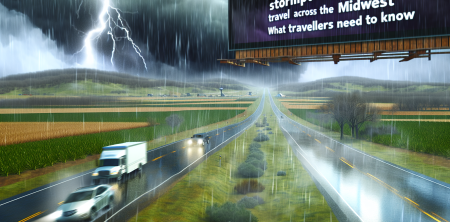
As the Midwest braces for an unprecedented weather onslaught, the travel plans of thousands have been thrown into disarray. From blizzards to wild storms, the severe conditions that began on March 12, 2026, have resulted in widespread flight cancellations and power outages, impacting the travel plans of many during the busy Spring Break period.
Severe Weather Hits the Midwest
The onset of severe weather has brought with it a combination of powerful blizzards, devastating wildfires, and catastrophic thunderstorms. These weather phenomena have converged across various states in the Midwest, creating a travel nightmare for families, students, and holidaymakers.
Flight Cancellations and Travel Waivers
Major airlines including Delta, American Airlines, and United have been forced to issue travel waivers due to the extreme conditions. These waivers allow passengers to change their itineraries without incurring additional fees, accommodating those whose travel plans have been affected by the storm. Reports indicate that nearly 2,000 flights have been grounded as a result of the inclement weather, leaving travelers scrambling for alternative arrangements.
Power Outages Leave Thousands Stranded
In addition to flight disruptions, tens of thousands of residents across the Midwest have been left without power. The relentless storms have downed power lines and caused significant damage to infrastructure, complicating efforts to restore electricity. Emergency services are working around the clock to assess the damage, but many are still trapped in their homes, grappling with the effects of the storm.
Impact on Regional Tourism
The adverse weather conditions have not only affected air travel but have also taken a toll on regional tourism. Popular ski resorts in Colorado, Wyoming, and Utah have reported mixed snow conditions, with some areas experiencing heavy snowfall while others have seen rain and warmer temperatures. Travelers looking to enjoy winter sports are faced with challenging road access, making it difficult to reach these popular destinations.
Road Conditions and Travel Safety
For those who are still attempting to travel, road conditions across the Midwest have been hazardous. Authorities urge drivers to avoid non-essential travel as snow and ice accumulation make roads treacherous. State police have reported numerous accidents related to the slick conditions, further complicating travel efforts.
What Travelers Can Do
For those with upcoming travel plans in the affected areas, it’s crucial to stay informed about the evolving weather situation. Here are some important tips:
- Check Flight Status: Regularly monitor your airline's website or app for updates on your flight status. Many airlines are offering flexible rebooking policies due to the storms.
- Stay Informed: Follow local news outlets and weather reports for real-time updates on conditions in your area.
- Prepare for Delays: Pack essentials in your carry-on, including medications and snacks, in case of unexpected delays or cancellations.
- Postpone Non-Essential Travel: If possible, consider rescheduling trips that are not urgent, especially to areas heavily affected by the storms.
Looking Ahead
As the Midwest continues to grapple with the impacts of this severe weather event, travelers are advised to remain vigilant and exercise caution. Although conditions are expected to improve, the recovery process will take time, and many will remain affected for the foreseeable future.
For those planning to travel in the upcoming weeks, staying informed and prepared will be key to navigating this challenging weather situation. With continued efforts from airlines and local authorities, travelers can hope to see a return to normalcy in the near future.

