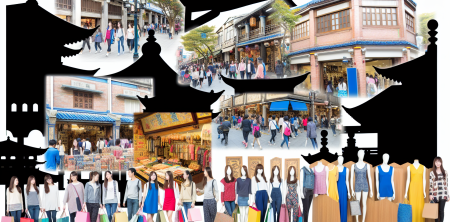
As travel resumes and international borders open up, a new trend has emerged in the Asian tourism landscape—shopping as a primary motivator for travel. According to Agoda's recently released 2026 Travel Outlook Report, both Taiwanese and South Korean travelers rank at the top of the list when it comes to prioritizing shopping during their trips. This finding sheds light on the evolving preferences of travelers in Asia and highlights shopping's growing significance in the travel experience.
The Rise of Shopping-Centric Travel
The Agoda survey revealed that 23% of respondents from both Taiwan and South Korea indicated shopping as a major reason for their travels. This statistic is notable as it suggests a shift in priorities among travelers, where the act of shopping is not merely an ancillary activity but rather a central element of their travel plans.
Regional Comparisons
Following closely behind Taiwan and South Korea, the Philippines also displayed a strong inclination towards shopping, with 22% of respondents citing it as a key motivator for travel. Other countries in the region also showed significant interest in retail tourism, with Malaysia at 20%, Japan at 15%, Thailand at 14%, Indonesia at 12%, India at 8%, and Vietnam at 7%.
This ranking illustrates a broader trend where shopping is becoming a more integral part of the overall travel experience across Asia. The data indicates that travelers are not only looking to explore new destinations but are also eager to engage in the local retail culture.
Understanding the Shopping Motivation
Shopping while traveling offers a unique opportunity for tourists to immerse themselves in the local culture. From traditional markets to modern shopping malls, each destination presents its own array of products that reflect its unique heritage. Travelers often seek out items that cannot be found at home, making shopping a way to take a piece of their journey back with them.
- Local Handicrafts: Many travelers are drawn to authentic local arts and crafts, which provide a tangible connection to the culture and traditions of their destinations.
- Fashion and Accessories: Fashion-conscious travelers often look to international cities as hotspots for the latest trends and unique styles that they can flaunt back home.
- Food and Beverages: Culinary souvenirs, such as local snacks, spices, or even liquor, are popular among travelers who wish to relive their gastronomic experiences.
Moreover, the growing popularity of e-commerce has made it easier for travelers to plan their shopping excursions in advance. With online platforms providing information on the best shopping spots, travelers can curate their itineraries to include visits to renowned shopping districts.
Impact on Local Economies
The emphasis on shopping as a travel motivator also has significant implications for local economies. As travelers flock to shopping destinations, they contribute to job creation and the sustenance of small businesses. Retail tourism can bolster the economy in various ways:
- Increased Revenue: Local shops, markets, and malls benefit from the influx of tourists, leading to higher revenues.
- Job Creation: The demand for retail services can create more employment opportunities in the region.
- Promotion of Local Products: Retail tourism encourages local artisans and producers to market their goods, promoting cultural heritage.
The Future of Travel in Asia
As the travel industry continues to rebound following the challenges posed by the COVID-19 pandemic, understanding the motivations of travelers will be crucial for tourism stakeholders. The insights from Agoda's report suggest that shopping will play an increasingly vital role in shaping travel experiences in Asia.
Tourism boards and local businesses can leverage this trend by creating tailored shopping experiences that cater to the interests of travelers. For instance, organizing cultural festivals, pop-up markets, and shopping tours can enhance the appeal of a destination while fostering a deeper connection between visitors and the local culture.
Conclusion
The findings from Agoda's 2026 Travel Outlook Report underscore the importance of shopping in the travel plans of Asian tourists. As Taiwanese and South Korean travelers lead the charge in shopping-centric tourism, other countries in the region are likely to follow suit. This shift not only reflects changing consumer behavior but also presents a unique opportunity for destinations to enrich their tourism offerings and stimulate local economies.
As we look ahead, it will be essential for travel businesses and local communities to adapt to these changing preferences, ensuring that travelers have memorable experiences that blend exploration and retail therapy seamlessly.

