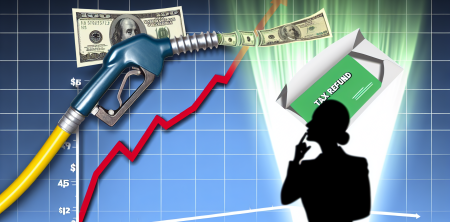
As spring unfolds, the anticipated tax refunds that were touted by former President Donald Trump for the year 2026 may be overshadowed by a significant surge in gas prices. With the nationwide average gas price reaching $3.94 per gallon as of March 22, an increase of more than a dollar compared to just a month prior, many Americans are likely to find their tax refunds consumed by soaring fuel costs rather than boosting consumer spending on discretionary items.
The Impact of the Iran Conflict
The escalation of the Iran war, which began on February 28, has had a profound impact on global oil markets, contributing to the rapid increase in gas prices. Economists are now projecting a slowdown in economic growth not just for spring but potentially throughout the year, as consumers divert their spending away from areas such as dining and entertainment and redirect it towards essential fuel costs.
Rising Costs and Consumer Behavior
Data from the Bank of America Institute reveals a stark reality: spending on gas via credit and debit cards surged by 14.4% in the week ending March 14 compared to the same period last year. This trend underscores the financial strain many households are experiencing, as individuals grapple with increased fuel costs while their disposable income diminishes.
The implications of rising fuel prices extend beyond consumer spending habits. With many families maxing out their credit cards and increasingly relying on buy-now-pay-later services for essential purchases like groceries, the overall financial health of consumers is deteriorating. This shift not only affects individual households but also signals potential challenges for the broader economy.
Economic Projections and Consumer Sentiment
As consumers redirect funds typically allocated for leisure activities towards filling up gas tanks, businesses in the hospitality and entertainment sectors may face declining revenues. Analysts warn that unless gas prices stabilize or decrease, the overall economic growth may suffer due to reduced discretionary spending. This shift in consumer behavior could lead to an extended period of economic stagnation.
The Future of Gas Prices
Experts anticipate that gas prices will remain elevated for a considerable time, driven by ongoing disruptions in shipping and production. Even in the event that the conflict in the Middle East reaches a resolution, the recovery process for oil supply chains is expected to be lengthy. The cumulative effect of high gas prices is likely to create a ripple effect across various sectors, from transportation to retail.
- Increased costs for businesses: Companies reliant on transportation may face higher operational costs, which could lead to increased prices for consumers.
- Shifts in spending patterns: Consumers may prioritize essential purchases, leading to a contraction in sectors that rely on discretionary spending.
- Potential job losses: If businesses struggle to maintain profitability due to rising costs, layoffs may become a reality in affected industries.
Conclusion
As the spring season approaches, the promise of record tax refunds may not deliver the economic boost that many had hoped for. Instead, Americans are likely to see their refunds consumed by the rapidly increasing costs of gas, leading to a significant shift in spending behavior. With predictions of slower economic growth and deteriorating consumer financial health, the effects of elevated gas prices could resonate throughout the economy for months to come.
In these challenging times, it is imperative for consumers and policymakers alike to closely monitor the evolving landscape of fuel prices and take proactive measures to mitigate the financial pressures faced by everyday Americans. The situation serves as a stark reminder of the interconnectedness of global events and domestic economic realities, and the need for strategic planning as we navigate these turbulent waters.

