```html
In the fast-paced world of fashion, being ahead of the curve is everything. Every season brings with it a whirlwind of trends that dictate what’s hot and what’s not. But what if I told you that the clues to these trends are often visible long before they hit mainstream coverage? Enter the concept of seasonal fashion trends and how they’re influenced by shifting consumer needs.
Understanding the Shift in Consumer Needs
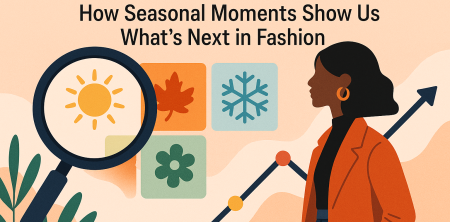
Fashion is more than just fabric draped on a mannequin; it’s a reflection of societal moods, behaviors, and needs. Seasonal moments—those key transitional periods like spring, summer, autumn, and winter—reveal how consumer preferences evolve. For instance, during the height of summer, we often see a shift towards lighter fabrics, vibrant colors, and relaxed silhouettes that align with the carefree vibe of the season.
However, this seasonal shift is more than just aesthetic preferences. It’s a mirror reflecting deep-seated changes. Social events, economic conditions, and global movements all contribute to how consumers express themselves through fashion. Understanding these nuances allows brands to stay ahead in the highly competitive market.
The Role of Social Media in Trend Prediction
In today’s digital age, social media platforms like TikTok, Instagram, and Pinterest serve as vital tools for both consumers and brands. They act as live pulse checks on what’s trending and what consumers are searching for. Rather than waiting for fashion weeks or glossy magazines to dictate trends, users are increasingly turning to social media to identify emerging styles.
For brands, this shift in discovery behavior means that they need to optimize their content for SEO to ensure visibility where their customers are looking. By aligning their marketing strategies with seasonal trends and consumer interests, brands can craft narratives that resonate with their audiences.
Viral Potential of Seasonal Fashion Insights
Content that connects fashion trends with behavior change often goes viral. Think about it: who doesn’t want to be the one to discover the next big thing before anyone else? This blend of practical insights and social relevance makes fashion discussions especially engaging. As a result, fashion brands are taking note, using these insights as a springboard for their marketing campaigns.
Platforms like Instagram and TikTok thrive on shareable content that speaks directly to what users are curious about. When a post discusses how consumer needs are evolving, it taps into the collective consciousness of fashion enthusiasts who are eager to stay informed.
From Seasonal Moments to Brand Strategies
For fashion brands, understanding seasonal fashion trends means crafting strategies that not only meet consumer expectations but also anticipate them. This approach is not just about responding to trends; it’s about predicting them. By analyzing seasonal behaviors and trends on social media, brands can develop collections that resonate with consumers before those trends become widely recognized.
For instance, if a particular color palette or silhouette starts gaining traction on TikTok, smart brands will take note. They might even pull inspiration from user-generated content, which provides authentic insights into consumer preferences.
The Importance of Aesthetics in Seasonal Fashion Trends
Aesthetics play a crucial role in driving seasonal fashion trends. The colors, textures, and patterns favored in a particular season can often trace back to cultural movements, social issues, or even economic climates. For example, during times of uncertainty, consumers may gravitate towards muted tones or minimalist designs that convey stability and simplicity. (See: Overview of fashion trends.)
On the other hand, a carefree summer filled with social gatherings might encourage bolder colors and playful designs. Brands that can tap into these aesthetic shifts not only attract customers but also foster a deeper emotional connection. This connection is vital for long-term brand loyalty.
Emerging Aesthetics: What to Watch For
As we move through the seasons, being aware of emerging aesthetics is key for fashion enthusiasts and industry insiders alike. These aesthetics often emerge from the conversations happening on social media, revealing what consumers desire before it becomes mainstream.
- Y2K Revival: Nostalgia for the early 2000s is reaching new heights, with low-rise jeans, chunky sneakers, and bold accessories making a comeback.
- Gender Fluidity: As society becomes more inclusive, gender-neutral fashion is on the rise, allowing for more creativity and personal expression.
- Eco-Conscious Choices: Sustainability is no longer optional. Consumers are increasingly looking for brands that prioritize ethical practices and eco-friendly materials.
Recognizing these emerging aesthetics can help you stay ahead in your fashion choices, ensuring that your wardrobe reflects the trends of tomorrow.
How Brands Optimize for SEO in the Fashion Space
With the evolving landscape of digital marketing, fashion brands are increasingly focusing on SEO to capture consumer interest. This means optimizing product descriptions, blog posts, and social media content for key search terms related to seasonal fashion trends. By understanding what consumers are searching for, brands can tailor their content to meet those needs.
For example, if there’s a surge in searches for “sustainable summer outfits,” a brand can create targeted content around that topic. This not only helps with visibility but also positions the brand as an authority in that space.
Consumer Engagement: The Heart of Fashion Marketing
It’s not just about spotting trends; it’s also about engaging with consumers. Fashion brands that foster a sense of community through their marketing efforts often see greater loyalty and customer retention. Utilizing social media to engage in two-way conversations about seasonal fashion trends can lead to richer brand experiences.
Brands like Glossier, for instance, have mastered this approach by prioritizing user-generated content and involving their customers in the design process. When consumers feel like they have a voice, they’re more likely to advocate for the brand.
Looking Ahead: The Future of Seasonal Fashion Trends
As we look to the future, the intersection of seasonal fashion trends and consumer behavior will only grow stronger. The ability to predict what’s next will rely heavily on data and insights pulled from social media. Brands that prioritize this approach will not only stay relevant but will also thrive in an ever-changing marketplace.
Moreover, as new platforms emerge and consumer behaviors shift, brands will need to adapt quickly. Monitoring trends in real-time will be crucial for staying ahead of the curve.
Seasonal Trends and Cultural Reflections
The fashion industry is often seen as a barometer for cultural shifts. Trends in clothing are not just about style but reflect broader societal movements. For instance, the rise of athleisure can be attributed to a shift towards more casual lifestyles, especially as more people work from home. This trend gained rapid traction during the pandemic and has become a staple in many wardrobes. As people sought comfort without compromising style, brands quickly adapted by integrating functional yet fashionable pieces into their collections.
Similarly, the increased focus on mental health has influenced seasonal fashion trends. Brands are now emphasizing comfort and self-expression over conventional beauty standards. This shift has led to the embrace of oversized silhouettes, relaxed fits, and a more casual aesthetic that prioritizes wearability and comfort. Brands that incorporate this ethos into their designs often find themselves resonating deeply with consumers who value authenticity and emotional connection over mere aesthetic appeal. (See: Impact of consumer behavior on health.)
Statistics and Data on Seasonal Fashion Trends
Understanding the data behind seasonal fashion trends can provide invaluable insights for both consumers and brands. Recent studies indicate that over 70% of consumers are influenced by social media when it comes to their fashion choices, showcasing the power of digital platforms in shaping trends. Additionally, reports show that sustainable fashion is experiencing a significant growth rate, with a projected increase of 8.7% annually through 2025.
Moreover, consumer surveys reveal that nearly 60% of shoppers prefer brands that align with their values—particularly regarding sustainability and ethics. This trend further emphasizes the importance for brands to adopt eco-friendly practices to attract today’s conscious consumers. Brands that are transparent about their sourcing and production processes are likely to enjoy greater trust and loyalty from their customers.
Expert Perspectives on Seasonal Fashion Trends
Industry experts are increasingly vocal about the significance of adapting to seasonal fashion trends. Renowned fashion forecaster, WGSN, emphasizes the need for brands to remain agile in their approach. According to their insights, the most successful brands will be those that can pivot their strategies quickly in response to emerging trends. This agility not only includes quickly adapting product lines but also leveraging consumer data to inform marketing strategies.
Fashion psychologist Dr. Carolyn Mair points out that clothing choices are deeply connected to individuals' self-identity and mood. She suggests that brands should promote styles that empower consumers and make them feel confident. This perspective reinforces the idea that understanding consumer psychology can lead to more effective and appealing seasonal collections.
FAQs About Seasonal Fashion Trends
What are seasonal fashion trends?
Seasonal fashion trends refer to the styles, colors, and designs that become popular during specific times of the year. These trends can be influenced by various factors, including cultural movements, societal changes, and historical events.
How do I stay updated on seasonal fashion trends?
To stay updated on seasonal fashion trends, follow fashion influencers on social media, subscribe to fashion magazines or blogs, and pay attention to runway shows and fashion weeks. Engaging with fashion communities online can also keep you informed about emerging styles.
Are seasonal trends the same every year?
While some trends may recur each year, many seasonal trends evolve and change based on current events and cultural shifts. Brands often look back at past trends for inspiration, but they also innovate to keep their collections fresh and relevant.
How can brands predict future seasonal trends?
Brands can predict future seasonal trends by analyzing data from social media, consumer behavior, and sales analytics. Engaging with consumers directly and understanding their preferences can also provide insights into what will resonate in upcoming seasons.
Why are sustainable practices important in seasonal fashion trends?
Sustainable practices are important because they address consumers' growing concerns about environmental impact and ethical manufacturing. As more consumers prioritize eco-friendly options, brands that adopt sustainable practices may have a competitive advantage in the market. (See: Current fashion trends analysis.)
The Intersection of Fashion and Technology
As technology continues to seep into every aspect of our lives, it’s also changing the landscape of seasonal fashion trends. Virtual reality (VR) and augmented reality (AR) are becoming crucial tools for brands to showcase their collections. By allowing consumers to experience clothing in immersive environments, brands can create memorable shopping experiences. Imagine trying on the latest seasonal styles without ever stepping foot in a store.
Additionally, artificial intelligence (AI) is playing a significant role in trend forecasting. Several fashion brands now leverage AI algorithms to analyze vast amounts of data from social media, browsing habits, and previous purchase history. This technology not only helps brands predict trends but also enables them to tailor collections more closely to consumer preferences.
The Global Influence on Seasonal Fashion Trends
Fashion is a global industry, and trends often transcend borders. What’s considered stylish in one part of the world can quickly influence fashion choices elsewhere. For instance, street style from Tokyo may inspire designers in Paris, while the bohemian looks from Bali might inform summer collections in California. This cross-pollination of ideas reflects the interconnectedness of our world and the shared human experience.
Seasonal fashion trends are also shaped by global events. The pandemic, for instance, forced many brands to rethink their strategies and lean into more casual and comfortable clothing options as consumers adapted to working from home. In contrast, as travel restrictions lift, there is a renewed interest in vibrant prints and resort wear, signaling a shift back to more adventurous styles.
Consumer Behavior and Seasonal Fashion Purchases
When it comes to purchasing seasonal fashion, consumer behavior is often influenced by various factors. Seasonal sales, influencer collaborations, and marketing campaigns can significantly impact buying decisions. For instance, many brands launch limited-time collections to create a sense of urgency and drive sales. You may have noticed how many retailers promote "end-of-season sales" or "holiday specials"—these tactics are designed to capitalize on consumer behavior, encouraging individuals to refresh their wardrobes.
Additionally, consumers are increasingly concerned about value for money. According to recent surveys, shoppers are more inclined to invest in classic pieces that can be worn across multiple seasons rather than fleeting trends. This shift highlights the importance of durability and sustainability when it comes to seasonal fashion purchases.
Final Thoughts
Seasonal moments are more than just marketing buzzwords; they’re key indicators of how consumer needs evolve. By understanding these shifts, fashion enthusiasts and brands alike can harness the power of seasonal fashion trends to stay ahead. Whether you’re looking to revamp your wardrobe or strategize your next marketing campaign, the insights gained from observing these seasonal changes are invaluable. So, keep your eyes peeled, stay engaged, and be ready to embrace the trends of tomorrow!
```
Trending Now
- our breakdown of unlocking communication: how social pragmatics role play transforms middle school education
- The Essential Differences Between Pragmatics, Semantics,…
- Unlocking Communication: 7 Strategies for Supporting Pragmatic Language Development in Preschool
- read the full story
- 7 Essential Insights into Pragmatics Challenges…
Frequently Asked Questions
What are seasonal fashion trends?
Seasonal fashion trends refer to the styles and preferences that emerge during specific times of the year, influenced by consumer needs and societal changes. Each season showcases unique colors, fabrics, and silhouettes that align with the mood and behaviors of consumers, reflecting deeper cultural and economic shifts.
How does social media influence fashion trends?
Social media platforms like TikTok and Instagram play a crucial role in shaping fashion trends by providing real-time insights into consumer preferences. Users turn to these platforms for inspiration, allowing brands to identify emerging styles and adapt their marketing strategies to align with current trends.
Why is understanding consumer needs important in fashion?
Understanding consumer needs is vital in fashion as it helps brands anticipate trends and create relevant products. By recognizing shifts in societal moods and behaviors, brands can tailor their offerings to meet evolving preferences, ensuring they remain competitive in the market.
How can brands stay ahead of fashion trends?
Brands can stay ahead of fashion trends by closely monitoring seasonal moments and consumer behavior. Utilizing social media for trend analysis, optimizing content for SEO, and aligning marketing strategies with consumer interests are effective ways to remain relevant and influential in the fashion industry.
What role do seasonal moments play in fashion?
Seasonal moments are key transitional periods that highlight shifts in consumer preferences and fashion trends. They reveal how societal factors, such as economic conditions and social events, influence fashion choices, allowing brands to adapt and resonate with their target audiences effectively.
What's your take on this? Share your thoughts in the comments below — we read every one.

