```html
The world is on the brink of experiencing something extraordinary: the Super El Niño 2026. As forecasts indicate, this climate phenomenon may not just be any regular El Niño; we’re looking at a potential record-breaking intensity that could push global temperatures well beyond the alarming +2°C threshold towards an unprecedented +3°C. With such staggering predictions, it’s no wonder that public interest is surging, capturing imaginations and igniting fears across social media platforms.
1. Understanding El Niño and Its Impacts
To grasp the significance of Super El Niño 2026, it’s essential first to understand what El Niño is. This climatic pattern arises from the periodic warming of the ocean surface in the central and eastern tropical Pacific. The consequences of this warming ripple through global weather systems, leading to variations in temperature, precipitation, and storm activity.
Typically, El Niño events occur every two to seven years and last between nine months to two years. They can lead to drier conditions in regions like Southeast Asia and wetter weather in the eastern Pacific. However, the expected intensity of the Super El Niño 2026 could exacerbate these effects significantly, leading to greater extremes and disruptions across continents.
2. Current Predictions: A Glimpse into the Models
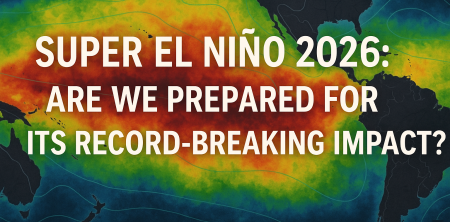
The European Centre for Medium-Range Weather Forecasts (ECMWF) has been vigilant in tracking the Super El Niño 2026, observing a strong El Niño anomaly that has been notably present across the tropical Pacific since the summer months. Their models project that temperatures across the entire ENSO region will exceed +2°C, marking a significant deviation from what is typically expected during this time of year.
These models, when compared with historical El Niño events, suggest that we could be on the verge of a climatic anomaly that has not been witnessed for decades. If these predictions hold true, the global atmosphere would undergo a major reset, leading to widespread implications for weather patterns, agriculture, and disaster preparedness worldwide.
3. The Urgency of the Situation
Why is there such an urgency surrounding the Super El Niño 2026? The answer lies in the potential for severe weather disruptions. Regions across the United States, Canada, and Europe are already bracing for what could be a tumultuous weather season ahead. The combination of an unusual summer El Niño and heightened sea surface temperatures creates a recipe for unpredictability and extreme weather events.
Public concern has been mounting, with catastrophic climate impacts now a very real worry for millions. The urgency is fueled not only by scientific forecasts but also by personal experiences with the repercussions of climate change. As extreme weather events become more frequent, people are looking for information and guidance on how to prepare for what lies ahead.
4. Historical Context: Previous Super El Niños
Looking back at past Super El Niño events provides crucial context for understanding what might unfold with the Super El Niño 2026. Historical examples include the Super El Niño of 1997-1998, which brought devastating floods and droughts across various regions, leading to billions of dollars in economic losses and significant loss of life.
Such events underscore the importance of preparation and mitigation strategies. The lessons learned from past Super El Niños highlight the need for robust infrastructure and community resilience to address the impacts of severe weather. As we approach the potential onset of the 2026 event, these lessons are more relevant than ever.
5. Global Implications: From Agriculture to Economy
As the implications of the Super El Niño 2026 unfold, its impact on agriculture could be particularly pronounced. Regions that depend on consistent weather patterns for crop production may face significant disruptions. For instance, changes in rainfall can lead to droughts in some areas while causing flooding in others, threatening food security globally. There's a fuller look at major climate case review.
This potential agricultural turmoil extends beyond food production; it could influence global markets, trigger price fluctuations, and exacerbate existing inequalities. As nations grapple with the effects of severe weather, economic stability could be jeopardized, leading to increased political tensions and humanitarian crises. (See: Understanding El Niño and Its Impacts.)
6. Regional Threats: North America’s Vulnerability
In North America, the Super El Niño 2026 poses specific threats to both the U.S. and Canadian economies. The predictions indicate increased rainfall along the West Coast, which could lead to flooding and landslides. Meanwhile, states like Texas may face drought conditions, impacting agricultural yields and water supply.
This variability in weather patterns means that different regions will experience contrasting impacts simultaneously. For instance, the Midwest may see a spike in severe storm activity, while the Southeastern U.S. could experience heightened hurricane risks. The need for regional preparedness and adaptive strategies is critical as these events unfold.
7. Europe's Weather: A Fickle Future
Across the Atlantic, Europe is not exempt from the impending effects of the Super El Niño 2026. The continent may witness erratic weather patterns, from severe heat waves to intense winter storms. This volatility poses risks to public health, infrastructure, and local economies.
Moreover, altered precipitation patterns could affect water resources across southern Europe, which are already strained due to climate change. Countries like Spain and Italy may experience exacerbated drought conditions, impacting agriculture and water availability. The necessity for urgent climate adaptation plans is clear as Europe braces for potential upheaval.
8. The Role of Media and Public Perception
The growing awareness and discourse surrounding the Super El Niño 2026 is heavily influenced by media coverage and social media engagement. As information spreads rapidly, the urgency of the situation is magnified, often leading to heightened public concern. Viral content related to these forecasts tends to trigger a collective response, pushing individuals to seek knowledge and preparation advice.
This digital engagement plays a crucial role in shaping perceptions and encouraging proactive measures. However, it also presents a challenge — misinformation can spread just as quickly, complicating public understanding of the actual risks. Credible sources must take the lead in communicating scientifically-backed information to ensure that communities are adequately informed.
9. Preparation: Mitigation Strategies for the Future
As we look ahead to the potential realities of the Super El Niño 2026, it is crucial to discuss mitigation strategies. Governments, communities, and individuals all play a role in preparing for the challenges posed by this climatic phenomenon. Investment in infrastructure to withstand extreme weather is vital, as is the development of robust emergency management plans.
Additionally, promoting awareness and education about climate change can empower individuals to take action within their communities. From creating resilient agricultural practices to advocating for stricter environmental policies, everyone can contribute to a more prepared future. By uniting efforts, society can better navigate the unpredictable impacts of the Super El Niño 2026. Related reading: slowdown in Earth's rotation.
The anticipation surrounding the Super El Niño 2026 serves as a wake-up call. As we brace for its potential impact, it shines a light on the necessity for collective action and resilience against climate change. Only through informed preparation can we hope to mitigate the adverse consequences that lie ahead.
10. The Science Behind Super El Niño
Understanding the science of El Niño, particularly in the context of a "Super" event, is essential for comprehending its potential impacts. Super El Niños are characterized by sea surface temperature anomalies that far exceed normal El Niño conditions. They typically feature a warm pool of water that can extend across vast areas of the Pacific. This phenomenon is often preceded by changes in trade winds and atmospheric pressure. For instance, a reduction in the strength of the trade winds allows warmer water to accumulate in the eastern Pacific, which can lead to significant shifts in weather patterns globally.
Recent studies have shown that the warming of the ocean is exacerbated by climate change, which increases the likelihood of stronger and more frequent Super El Niños. According to a report from the National Oceanic and Atmospheric Administration (NOAA), the frequency of such intense events could double in the coming decades. These findings underline the urgency of addressing climate change and its role in amplifying these natural phenomena.
11. Socioeconomic Impacts: Who Will Be Affected?
The socioeconomic ramifications of the Super El Niño 2026 will likely be profound, especially for vulnerable populations. Low-income communities often reside in areas prone to flooding or drought and may lack the resources for effective adaptation. In regions dependent on agriculture, like parts of Sub-Saharan Africa and Southeast Asia, crop yields could plummet, leading to food insecurity and increased poverty rates.
Furthermore, countries may face increased healthcare costs associated with climate-related illnesses and injuries. The spread of diseases linked to warmer temperatures and erratic weather patterns — such as malaria and dengue fever — is likely to rise. A study by the World Health Organization estimated that climate change could put an additional 250,000 lives at risk each year from 2030 to 2050. The interconnectedness of climate events and public health underscores the need for comprehensive planning that spans multiple sectors of society. (See: National Oceanic and Atmospheric Administration on El Niño.)
12. Global Collaboration: Addressing Climate Change
Tackling the implications of the Super El Niño 2026 requires global collaboration. Governments must work together to share resources, technology, and knowledge in combating the climate crisis. Initiatives like the Paris Agreement emphasize the importance of international cooperation in reducing greenhouse gas emissions and adapting to climate impacts.
Additionally, organizations such as the United Nations Framework Convention on Climate Change (UNFCCC) facilitate dialogue among nations to address these issues collectively. Local governments also play a critical role in implementing climate action plans tailored to their unique challenges and opportunities. Grassroots movements and community leaders can drive change at the local level by raising awareness and advocating for sustainable practices. For more on this, see growing climate interest.
13. FAQ: Common Questions About Super El Niño 2026
What is Super El Niño?
Super El Niño refers to an extreme version of the El Niño phenomenon characterized by unusually high sea surface temperatures in the Pacific Ocean, leading to more severe global weather impacts than a regular El Niño.
How often do Super El Niños occur?
Super El Niños are rare events, occurring approximately every 10 to 20 years. The last significant Super El Niño was in 2015-2016, and before that, it was in 1997-1998.
What are the predicted effects of Super El Niño 2026?
The anticipated effects of Super El Niño 2026 include extreme weather patterns, such as heavy rain and flooding in some regions and droughts in others. It may also lead to significant agricultural disruptions and economic impacts globally.
Can we predict the exact timing of Super El Niño events?
While scientists can monitor conditions that indicate an impending Super El Niño, precise predictions about the timing, duration, and intensity of these events remain challenging due to the complex nature of climate systems.
How can communities prepare for Super El Niño?
Communities can prepare by investing in resilient infrastructure, creating emergency management plans, and raising awareness about climate change and its potential impacts. Engaging local populations in preparedness efforts is crucial for building resilience.
What role does climate change play in Super El Niño events?
Climate change is believed to increase the frequency and intensity of Super El Niño events due to rising sea surface temperatures and shifting ocean currents, which can amplify the effects of these natural phenomena.
14. Potential Long-Term Effects of Super El Niño 2026
While the immediate impacts of the Super El Niño 2026 may dominate headlines, the long-term effects could reshape our world in profound ways. One of the most significant areas of concern is the long-lasting impact on ecosystems. Marine life, particularly species reliant on stable temperature ranges, could face severe challenges. Coral reefs, for example, are highly sensitive to temperature changes and could suffer from bleaching events, leading to ecosystem collapse.
Furthermore, the alteration of weather patterns could create a persistent shift in agricultural zones. As certain regions become more prone to drought or flooding, farmers may need to adapt by changing crops or relocating entirely, leading to economic displacement. Already, regions that once thrived on agriculture may see a decline in productivity, forcing communities to rethink their economic foundations. (See: CDC's insights on climate impacts.)
Another long-term effect relates to migration patterns. With certain areas rendered less habitable due to extreme weather and food scarcity, populations may be forced to relocate. This migration can create tensions in receiving areas, where resources may already be strained. Countries must address the potential for climate refugees and implement policies that support both displaced individuals and host communities.
15. Innovative Solutions and Technologies
As we face the impending challenge of the Super El Niño 2026, innovative solutions and technologies can play a vital role in adaptation and mitigation efforts. Advances in climate modeling and prediction technologies are improving our understanding and forecasting capabilities, allowing communities to prepare more effectively.
Additionally, agricultural technology is evolving rapidly. Precision farming techniques, which leverage data analytics and IoT devices, can help farmers optimize water usage and crop yields even under changing climatic conditions. This adaptability could be crucial in fighting food insecurity exacerbated by severe weather.
On a larger scale, renewable energy technologies are also gaining traction. As the world shifts away from fossil fuels, wind, solar, and other renewable sources can provide a cleaner, more sustainable energy supply. This shift not only helps mitigate climate change but also fosters economic growth through new job opportunities in green industries.
16. Community Initiatives and Grassroots Movements
Grassroots movements and community initiatives are becoming increasingly essential in the fight against climate change, particularly as we anticipate the effects of the Super El Niño 2026. Local organizations often have unique insights into their specific vulnerabilities, allowing them to tailor solutions that suit their communities best.
For instance, urban gardening initiatives can enhance food security while fostering local engagement in sustainability practices. Similarly, community-led reforestation projects can help counteract environmental degradation while offering educational opportunities about the importance of biodiversity. (local actions against EPA repeal)
These initiatives not only empower communities to take action but also build social cohesion. By working together, residents can share resources, knowledge, and strategies for coping with the anticipated changes. Collective action at the local level can amplify voices and push for policy changes that prioritize climate resilience.
17. Conclusion: A Call to Action
The anticipated Super El Niño 2026 is more than just a meteorological event; it is a reflection of our changing climate and a call to action for individuals, communities, and governments alike. As we face the potential realities of an unprecedented climatic phenomenon, the time to act is now. Collective efforts in education, adaptation, and mitigation will be essential to navigate the uncertain waters ahead. By preparing together, we can enhance our resilience and safeguard our future against the impacts of climate change.
```
Trending Now
Frequently Asked Questions
What is Super El Niño 2026?
Super El Niño 2026 refers to an anticipated extreme version of the El Niño climate phenomenon, characterized by unprecedented warming of ocean surfaces in the tropical Pacific. Forecasts suggest it could lead to global temperatures exceeding +3°C, significantly impacting weather patterns worldwide.
How does El Niño affect global weather?
El Niño influences global weather by altering temperature and precipitation patterns. It typically results in drier conditions in Southeast Asia and wetter weather in the eastern Pacific, with the potential for extreme weather events, especially during stronger occurrences like Super El Niño 2026.
What are the predictions for Super El Niño 2026?
Current predictions from the European Centre for Medium-Range Weather Forecasts indicate that Super El Niño 2026 could push temperatures in the ENSO region above +2°C, leading to significant climatic anomalies not seen in decades, with widespread implications for weather systems.
When do El Niño events typically occur?
El Niño events typically occur every two to seven years and can last from nine months to two years. Their frequency and intensity can vary, but the expected Super El Niño 2026 is projected to be one of the most intense in recent history.
What are the potential impacts of Super El Niño 2026?
The potential impacts of Super El Niño 2026 include extreme weather events, such as increased storms, floods, and droughts in various regions. These disruptions could have significant effects on agriculture, water supply, and overall climate stability globally.
Agree or disagree? Drop a comment and tell us what you think.


0 Responses