```html
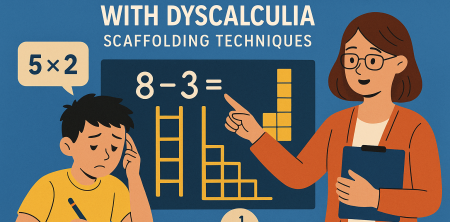
Dyscalculia, a learning disability that affects the ability to understand and work with numbers, poses significant challenges for students. This condition can hinder mathematical comprehension and performance, leading to frustration and anxiety in the classroom. As educators, it's crucial to adopt effective dyscalculia teaching strategies that cater to these students' unique learning needs. One powerful approach is the use of scaffolding techniques, which provide structured support to help students gradually build their understanding of mathematical concepts.
Understanding Dyscalculia
Dyscalculia affects an estimated 5-7% of the population, making it one of the more common learning disabilities, yet it often goes unrecognized. Unlike dyslexia, which primarily impacts reading and language skills, dyscalculia specifically interferes with math-related tasks. Students with dyscalculia may struggle with basic arithmetic, number recognition, and even understanding time or money.
Some common signs of dyscalculia include:
- Difficulty memorizing math facts.
- Problems with mental math and estimation.
- Trouble recognizing patterns and sequences.
- Challenges with math-related language and terminology.
Recognizing these signs is the first step toward implementing effective teaching strategies. Understanding dyscalculia not only helps educators tailor their instruction but also fosters empathy and patience in the classroom.
The Importance of Scaffolding in Math Education
Scaffolding refers to the instructional techniques used to support students as they learn new skills and concepts. By breaking down complex tasks into manageable parts, scaffolding allows students to build confidence and competence over time. This approach is particularly beneficial for students with dyscalculia, who may feel overwhelmed by traditional math instruction.
Consider this: when teaching a complex concept like fractions, instead of presenting the whole topic at once, a teacher might first introduce the idea of partial quantities, followed by the concept of equivalent fractions, and finally, how to add and subtract them. This step-by-step approach not only makes the learning process less intimidating but also reinforces understanding through repetition and gradual exposure.
Effective Scaffolding Techniques for Teaching Math
Implementing scaffolding techniques requires careful planning and flexibility. Here are several effective strategies that can be particularly helpful for students with dyscalculia:
1. Use Visual Aids
Visual aids can be game-changers in math instruction. They provide concrete representations of abstract concepts, making them easier to grasp. For example:
- Number Lines: These can help students visualize numerical relationships.
- Manipulatives: Items like counters, blocks, or fraction circles allow students to physically manipulate numbers and see the results of their actions.
- Graphs and Charts: Visual representations of data can help students understand patterns and relationships.
By incorporating visual aids into lessons, educators can help students with dyscalculia develop a deeper understanding of mathematical concepts.
2. Incorporate Technology
In the digital age, technology can provide innovative ways to aid learning. There are numerous educational apps and software designed specifically for students with learning disabilities. Tools like interactive math games, virtual manipulatives, and tutorial videos can offer personalized learning experiences. For instance, programs that allow students to solve problems step-by-step can help reinforce concepts and build confidence.
Additionally, adaptive learning platforms can track students’ progress and adjust challenges based on their performance, ensuring they are not overwhelmed or bored. (See: Understanding dyscalculia from NIH.)
3. Break Down Tasks
Complex problems can be intimidating for students with dyscalculia. Breaking down tasks into smaller, manageable steps can make learning more approachable. For example, when solving a multi-step word problem, guide students through each step rather than presenting the entire problem at once. Ask questions, encourage them to underline key information, and help them identify what the problem is asking.
Using a consistent framework for problem-solving can also benefit students. For instance, teaching them to always look for what is known, what is unknown, and what operations to use provides a structured approach to tackling math tasks.
4. Foster a Positive Learning Environment
Creating a supportive atmosphere is essential for students struggling with dyscalculia. Encouragement and praise for effort—rather than just correct answers—can boost their confidence. Celebrate small victories, and remind students that mistakes are part of the learning process.
Group work can also foster a sense of community. Pairing students with a buddy or allowing them to work in small groups can reduce anxiety and encourage peer support. Collaborative learning can also expose them to different strategies and perspectives on problem-solving.
Assessing Student Needs
Before implementing any scaffolding strategies, it’s crucial to assess each student’s specific needs. Not all students with dyscalculia will struggle in the same areas. Conducting assessments—both formal and informal—can help identify their strengths and weaknesses. Use a variety of methods, including:
- Observation: Watch how students approach math tasks and where they struggle.
- Diagnostic Tests: Utilize tools designed to assess specific math skills.
- Student Interviews: Engage students in discussions about their experiences with math to gain insights into their challenges.
By understanding individual needs, educators can tailor scaffolding techniques to provide the most effective support.
Real-World Application of Scaffolding Techniques
Let’s explore how scaffolding techniques can be applied in a real-world classroom setting. Imagine a lesson on addition and subtraction of fractions:
- Start with a review of basic fractions using visual aids like pie charts or fraction strips.
- Introduce equivalent fractions and have students practice identifying them with manipulatives.
- Gradually introduce simple addition problems with like denominators, guiding students through the steps.
- As students gain confidence, introduce more complex problems, such as adding fractions with unlike denominators.
Throughout the lesson, provide ample opportunities for practice, feedback, and discussion. This gradual approach helps cement understanding and prepares students for the complexities of more advanced math.
Collaboration with Special Education Professionals
Collaborating with special education professionals can enhance the effectiveness of scaffolding techniques in the classroom. Special educators can provide valuable insights into individualized learning plans and strategies tailored for students with dyscalculia.
Consider working together to design joint lessons that combine general education and special education strategies. This collaboration can include co-teaching models where both educators share the responsibility for instruction, ensuring that students receive the support they need in the least restrictive environment.
The Role of Parents and Caregivers
Parents and caregivers play a crucial role in supporting students with dyscalculia. They can reinforce the scaffolding techniques used in the classroom by providing practice at home. Here are some strategies they can implement:
- Encourage Daily Math Practice: Utilize everyday activities, such as cooking or shopping, to practice math skills.
- Use Games: Incorporate math-related games that promote skills in a fun, engaging way.
- Maintain Open Communication: Keep in touch with teachers to stay informed about classroom strategies and progress.
When parents and educators work together, they create a cohesive support system that can significantly enhance a student’s learning experience. (See: Dyscalculia information from CDC.)
Current Relevance and Future Directions
The conversation around dyscalculia and effective teaching strategies has gained traction in recent years. As awareness increases, more educators are seeking out professional development opportunities focused on special education and inclusive practices. Research continues to evolve, providing new insights into the best ways to support students with dyscalculia.
As we move forward, it's critical to advocate for resources and training for teachers. Schools should invest in materials and technologies that support diverse learners. Additionally, ongoing research into effective dyscalculia teaching strategies will continue to inform best practices and ensure that all students have the opportunity to succeed in math.
Additional Strategies for Teaching Students with Dyscalculia
Beyond scaffolding, there are other strategies educators can adopt to support students with dyscalculia effectively:
1. Implement Multi-Sensory Instruction
Multi-sensory instruction combines visual, auditory, and kinesthetic learning styles. This method can help students with dyscalculia engage more thoroughly with mathematical concepts. For instance, when teaching addition, a teacher might use physical objects (like counters) to represent numbers visually while also saying the numbers aloud. This approach can strengthen neural connections and aid memory retention.
2. Use Real-Life Applications
Applying math concepts to real-life situations can significantly enhance understanding and relevance. For example, when teaching measurements, teachers can involve students in cooking activities, where they need to measure ingredients. This practical application can make abstract concepts more tangible and relatable.
3. Set Specific Goals
Setting clear, achievable goals can provide direction and focus for students with dyscalculia. These goals should be specific, measurable, attainable, relevant, and time-bound (SMART). For example, instead of a vague goal like "improve math skills," a more effective goal might be "master addition of single-digit numbers within four weeks." This clarity helps students understand their progress and fosters a sense of accomplishment.
4. Regularly Review and Reinforce Learning
Frequent review of previously learned concepts helps reinforce memory and understanding. Schedule regular review sessions to revisit topics that students may have struggled with. This could be through quick quizzes, games, or informal discussions that encourage students to share their understanding and ask questions.
Statistics on Dyscalculia and Its Impact
Understanding the broader context of dyscalculia can help highlight the importance of effective teaching strategies:
- Research indicates that between 3% and 6% of students experience significant difficulties in learning math, which can be classified as dyscalculia.
- Approximately 50% of students who have dyscalculia may also have attention deficit hyperactivity disorder (ADHD), complicating their learning experience.
- Dyscalculia can lead to negative self-esteem, anxiety, and even avoidance of math-related activities in students.
- Students with dyscalculia often perform significantly lower than their peers on standardized math tests, creating a gap that can persist throughout their academic careers.
These statistics underscore the need for targeted interventions and the implementation of effective dyscalculia teaching strategies to support affected students.
Expert Perspectives on Teaching Dyscalculia
Many experts in special education and cognitive psychology have shared insights on supporting students with dyscalculia: (See: Learning disabilities fact sheet by WHO.)
- Dr. Patricia H. H. J. Hsu, an educational psychologist, emphasizes the importance of understanding each student's unique learning profile. She suggests that teachers conduct thorough learning assessments to tailor their approaches effectively.
- Dr. Ann K. M. Dussault, known for her work in cognitive development, advocates for the use of technology in math education. She believes that interactive applications can provide instant feedback, which is crucial for building confidence and resilience in students with dyscalculia.
- Educational consultant Dr. Leonard W. Klein suggests that educators should incorporate storytelling elements into lessons. He argues that connecting math problems to engaging narratives can increase student interest and retention.
Frequently Asked Questions (FAQ)
What is dyscalculia?
Dyscalculia is a specific learning disability that affects an individual's ability to understand, learn, and perform math-related tasks. It can manifest in difficulties with number sense, memorizing math facts, and solving math problems.
How can I tell if a student has dyscalculia?
Signs of dyscalculia may include persistent difficulties with basic math skills, trouble with number sense, problems with understanding time or money, and challenges recalling math facts. Observing these patterns over time is essential for identifying potential dyscalculia.
Are there specific teaching methods recommended for students with dyscalculia?
Effective teaching methods include scaffolding, using visual aids, incorporating technology, breaking down tasks, and fostering a positive learning environment. Multi-sensory approaches and real-life applications can also enhance learning.
Can students with dyscalculia succeed in math?
Yes, students with dyscalculia can succeed in math with the right support and strategies. Tailored instructional methods, patience, and encouragement can help these students build their confidence and skills over time.
What role do parents play in supporting students with dyscalculia?
Parents can reinforce learning by providing practice at home, maintaining open communication with teachers, and encouraging their children to engage in math-related activities in everyday life. Their support is vital in creating a holistic approach to learning.
Additional Resources for Educators
To help educators further enhance their dyscalculia teaching strategies, a variety of resources are available:
- Books: Consider titles like "Overcoming Dyscalculia: A New and Complete Guide for Parents and Teachers" by C. M. H. Deary, or "The Dyscalculia Toolkit" by Ronit Bird. These texts offer practical strategies and insights into dyscalculia.
- Webinars and Workshops: Many organizations offer professional development opportunities focused on dyscalculia and inclusive math teaching strategies. Check local educational institutions or online platforms for upcoming events.
- Online Communities: Joining forums or social media groups focused on dyscalculia can provide support and insight from fellow educators and experts. Sharing experiences and strategies can foster a collaborative learning environment.
Conclusion
Teaching math to students with dyscalculia presents unique challenges, but by employing scaffolding techniques, educators can create a structured and supportive learning environment. By utilizing visual aids, incorporating technology, breaking down tasks, and fostering a positive atmosphere, teachers can help students build their math skills and confidence. As the understanding of dyscalculia continues to grow, so does the potential for all students to thrive in mathematics. With commitment and creativity, educators can make a profound difference in the lives of students facing these challenges.
```
Trending Now
Frequently Asked Questions
What is dyscalculia and how does it affect learning?
Dyscalculia is a learning disability that impacts a student's ability to understand and work with numbers. It can lead to difficulties in basic arithmetic, number recognition, and even understanding concepts related to time and money, which can cause frustration and anxiety in math learning.
What are the signs of dyscalculia in students?
Common signs of dyscalculia include difficulty memorizing math facts, problems with mental math and estimation, trouble recognizing patterns and sequences, and challenges with math-related language and terminology. Recognizing these signs is essential for implementing effective teaching strategies.
How can scaffolding techniques help students with dyscalculia?
Scaffolding techniques provide structured support by breaking down complex math tasks into manageable parts. This approach helps students with dyscalculia gradually build their confidence and understanding of mathematical concepts, making learning less overwhelming and more achievable.
Why is it important to understand dyscalculia in the classroom?
Understanding dyscalculia enables educators to tailor their instruction to meet the unique learning needs of affected students. It fosters empathy and patience, creating a supportive environment that can significantly improve students' mathematical comprehension and performance.
What teaching strategies are effective for students with dyscalculia?
Effective teaching strategies for students with dyscalculia include using visual aids, hands-on activities, and scaffolding techniques. These approaches help simplify complex concepts, making it easier for students to grasp and retain mathematical information.
What did we miss? Let us know in the comments and join the conversation.

