```html
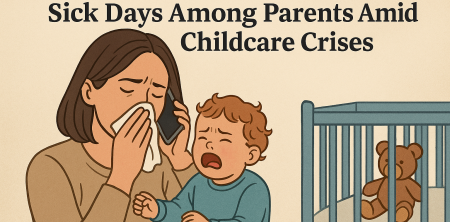
In recent months, a troubling trend has emerged in Dublin, Kildare, and Meath: parents are increasingly resorting to taking fake sick days from work due to sudden creche closures. This situation, primarily caused by chronic staffing shortages, has led to significant distress for working parents. With little to no warning, many families find themselves scrambling for alternative childcare solutions, or worse, forced to take time off work untruthfully.
The Childcare Shortage Crisis
Across Ireland, the childcare sector is facing a severe staffing crisis. Many creches and early childhood education centers are struggling to maintain adequate staff levels, leading to unexpected room closures or reduced service availability. The situation has become so dire that reports indicate a growing number of parents are calling in sick, not because of illness, but rather to manage their childcare needs. This phenomenon highlights a broader issue within the childcare system that is impacting families and their work-life balance.
According to sources, the reasons behind the staffing shortages are multifaceted, including low wages, poor working conditions, and the high cost of living. Early childhood educators often find themselves underpaid and overworked, leading to burnout and turnover. As a result, many creches are unable to operate at full capacity, leaving parents in a lurch.
Impact on Parents: A Personal Perspective
Imagine waking up to find that your child’s creche has closed unexpectedly. You have an important meeting scheduled, and your job is at stake. For many parents, this is no longer just a nightmare scenario; it's a reality they're facing. Sarah, a working mom from Dublin, shared her experience: "I had to call in a fake sick day last week because my child’s creche closed without any notice. I felt terrible lying to my boss, but I had no choice. What else could I do?" Sarah's story resonates with many parents who find themselves in similar situations.
The anxiety of not knowing whether your child will have a safe place to go each day can be overwhelming. This uncertainty can lead to heightened stress, affecting not only family dynamics but also job performance. Many parents report feeling torn between their responsibilities at work and their duties as caregivers.
Understanding the Emotional Toll
The emotional impact of these sudden childcare disruptions cannot be understated. Parents often feel guilty for taking fake sick days, worried that they might damage their reputation at work. Furthermore, the fear of job loss due to absenteeism is a constant shadow looming over them. This guilt can lead to mental health issues such as anxiety and depression, significantly affecting overall well-being.
Additionally, the societal pressure to appear competent both as a parent and a professional adds another layer of stress. Conversations among parents frequently revolve around their juggling acts, often leading to comparisons that can exacerbate feelings of inadequacy. Many working parents feel trapped in a cycle where they cannot meet the demands of their jobs or their families.
Assessing the Stakes: Job and Family Balance
In today’s competitive job market, the stakes are high. Parents often fear that taking too many sick days—especially when not genuinely sick—could jeopardize their career progression. For instance, a recent survey found that over 60% of parents reported feeling they had to choose between their jobs and their children’s needs. With the increasing frequency of creche closures, the dilemma of how to balance family responsibilities with professional obligations is becoming more pronounced.
Moreover, the economic implications are significant. Employers who lose valuable team members due to burnout or job dissatisfaction are likely to face productivity challenges. As parents take more fake sick days, companies may also contend with higher turnover rates, recruitment costs, and the loss of skilled workers. (See: Childcare and parental mental health.)
What Can Be Done? Exploring Solutions
Addressing the childcare crisis requires a multifaceted approach involving government, employers, and the childcare sector itself. First and foremost, increasing wages for childcare workers could alleviate some of the staffing shortages. When educators are compensated fairly, they're more likely to stay in their positions, ensuring consistency for children and peace of mind for parents.
Additionally, flexible work arrangements can offer significant relief to working parents. Policies that allow for remote work or flexible hours can help parents navigate childcare challenges without resorting to fabricating sick days. Some employers are already leading the way by implementing family-friendly policies, but there is still much room for improvement across various sectors.
The Role of Government in Childcare Accessibility
The government must also play a vital role in this issue. Increasing funding for childcare services is imperative to ensure these facilities can hire and retain qualified staff. Initiatives such as tax breaks for parents or subsidies for childcare services could help ease the financial burden, making it easier for working families to find reliable care without resorting to desperate measures.
In addition, enhancing support for parents through information campaigns about available resources could empower families. Many parents are unaware of the options and assistance available to them, leaving them feeling isolated and overwhelmed.
A Look at International Practices
Countries like Sweden and Denmark serve as examples for Ireland in addressing childcare shortages effectively. These nations prioritize early childhood education and provide substantial government support, resulting in a highly qualified workforce and equitable access for families. For instance, Sweden offers subsidized childcare, allowing parents to return to work confidently, knowing their children are well cared for.
By learning from these models, Ireland can adapt and implement systems that better serve families. Investing in childcare not only addresses immediate staffing shortages but contributes to the long-term well-being of children and parents alike.
Real Stories, Real Solutions
While policy changes are essential, real change often starts with grassroots movements. Community groups are forming to advocate for better childcare conditions, sharing personal stories to underscore the urgency of the situation. Many parents find strength in numbers; by collaborating, they can push for necessary reforms and hold decision-makers accountable.
For instance, a local Dublin parent coalition recently organized a campaign to raise awareness about the impact of staffing shortages on both children and families. Through social media outreach and community meetings, they are drawing attention to this vital issue and encouraging other parents to share their experiences.
The Path Forward: Strategies for Parents
As a parent navigating these challenges, it’s essential to have strategies in place to manage unexpected creche closures without resorting to fake sick days. Here are some practical tips:
- Build a Support Network: Create a network of fellow parents who can share resources and help each other out in emergencies.
- Explore Alternative Childcare Solutions: Research backup care options or nanny services that you can rely on when your regular care falls through.
- Communicate Openly with Employers: Discuss your situation with your employer. Many companies are more understanding than you might think.
- Stay Informed: Keep up to date with local childcare news and closures to anticipate potential disruptions.
Understanding the Economic Impact of Fake Sick Days
The phenomenon of parents taking fake sick days has broader economic implications that go beyond individual workplaces. When parents feel compelled to fake an illness, they are not only risking their job security but are also contributing to a larger cycle of workplace inefficiency. A study by the Irish Business Employers Confederation found that absenteeism due to childcare issues alone costs Irish businesses over €300 million annually. This financial burden highlights the urgent need for sustainable solutions that address the root causes of childcare instability.
Additionally, fake sick days can lead to a culture of mistrust in workplaces. Employers may begin to question the authenticity of their employees' absences, leading to a toxic work environment where employees feel they have to constantly prove their worth. It can spiral into a cycle where genuine illness is met with skepticism, impacting workplace morale and productivity. (See: Impact of childcare on families.)
Expert Perspectives on Childcare Policy Improvement
Experts in early childhood education and workplace policy have weighed in on the urgent need for systemic change. Dr. Claire Murphy, a childhood education researcher, emphasizes that "investing in early childhood care is not just a benefit for parents, but a societal investment that yields returns in future productivity and societal health." She advocates for a comprehensive review of existing childcare policies, suggesting that increasing funding and re-evaluating the pay structure for childcare workers could significantly mitigate the current crisis.
On the employer side, business consultant James O’Reilly argues for the implementation of more flexible workplace policies. "Companies that prioritize work-life balance and understand the unique challenges faced by parents are more likely to cultivate a loyal, productive workforce," he states. His advice to employers is clear: "Create policies that support your employees' needs, and you will not only help them but also improve your bottom line."
Comparative Analysis: Childcare in Other Countries
When examining childcare solutions, looking beyond Ireland can provide valuable insights. For instance, in Germany, parents benefit from an extensive parental leave policy that allows for up to 14 months of paid leave, shared between both parents. This allows families to make informed choices about childcare without the pressure of immediate return-to-work deadlines. As a result, parents can focus on securing reliable childcare options before reentering the workforce, minimizing the need for fake sick days due to sudden closures.
Similarly, in Canada, the government has made strides in expanding the availability of affordable childcare through a national childcare strategy. The initiative aims to cut childcare costs to an average of $10 per day, allowing more parents to access quality care without financial strain. Ireland could benefit from examining these models and implementing similar strategies that prioritize both affordability and availability in childcare services.
FAQs About Fake Sick Days and Childcare Challenges
What are fake sick days?
Fake sick days refer to instances when employees call in sick to work even though they are not actually ill. In the context of childcare, many parents resort to this practice when faced with sudden creche closures and lack of alternative childcare options.
Why do parents take fake sick days?
Parents take fake sick days primarily due to unexpected childcare disruptions caused by creche closures. With no immediate options for care, many feel forced to prioritize their children's needs over their professional responsibilities.
Are fake sick days common among parents?
Yes, a growing number of parents report taking fake sick days as a result of the childcare crisis. Surveys indicate that over 60% of parents feel they must choose between their job and their child's care, leading to this trend.
What can employers do to support working parents?
Employers can implement flexible work arrangements, offer paid family leave, and create a culture of trust that allows parents to manage their childcare needs without fear of repercussions. Such practices can significantly reduce the need for fake sick days among employees.
How can parents cope with childcare disruptions?
Building a support network, exploring alternative childcare solutions, and maintaining open communication with employers are key strategies. Staying informed about local childcare resources is also crucial in managing unexpected closures.
The Ripple Effect of Childcare Instability
Childcare instability does not only affect parents in direct ways; it has a ripple effect on the community and economy as a whole. When parents are forced to take fake sick days, productivity decreases not only in their immediate workplaces but can also impact collaborative efforts across sectors. For instance, a study found that businesses with employees frequently taking unplanned leave experience a decline in team cohesion and project progress. This can create a cycle where the pressure to perform increases, exacerbating stress levels for those who do remain at work.
Barriers to Reliable Childcare
Identifying the barriers to reliable childcare is essential in addressing the issue effectively. These barriers include financial constraints, lack of available spots in quality creches, and the geographical disparity in childcare services. For instance, urban areas may have more facilities, yet they often come with exorbitant fees, while rural areas may lack access entirely. Understanding these disparities can help policymakers create targeted solutions that ensure equitable access to childcare, thereby reducing the need for parents to take untruthful sick days.
Community Initiatives for Support
Many communities are stepping up to bridge the gap in childcare availability. Initiatives like cooperative childcare arrangements, where groups of parents share responsibilities, are becoming increasingly popular. These cooperatives can provide a more affordable and reliable option for parents while promoting community engagement. In addition, local governments can support these initiatives by offering grants or resources to help establish and maintain these cooperative models.
The Importance of Open Dialogue in the Workplace
Creating an open dialogue about childcare issues in the workplace can foster a more understanding environment for parents. Employers who actively engage with their employees about these challenges are more likely to retain talent and boost morale. Regular check-ins and surveys can help employers understand the specific needs of their workforce and adjust policies accordingly. Providing a platform for employees to voice their concerns will not only help in addressing immediate issues but can also contribute to long-term improvements in workplace culture.
Conclusion: A Call for Change
The trend of parents taking fake sick days due to childcare crises is a symptom of a larger problem that needs addressing. By understanding the emotional and practical challenges that working parents face, society can begin to implement meaningful solutions. Whether through government intervention, employer flexibility, or community support, change is necessary to ease the burden on families. The current situation cannot continue; otherwise, the cycle of stress, guilt, and uncertainty will only intensify.
As we advocate for better childcare solutions, let’s remember that every parent deserves the opportunity to balance their work and family life without resorting to deception. The well-being of our children and our workforce depends on it.
```
Trending Now
Frequently Asked Questions
Why are parents taking fake sick days?
Parents are taking fake sick days primarily due to sudden creche closures caused by staffing shortages in Dublin, Kildare, and Meath. With inadequate childcare options available, many feel compelled to call in sick to manage their childcare needs unexpectedly.
What is causing the childcare staffing crisis?
The childcare staffing crisis is attributed to low wages, poor working conditions, and the high cost of living. These factors contribute to high turnover rates among early childhood educators, leaving many creches unable to operate effectively.
How are sudden creche closures affecting parents?
Sudden creche closures are causing significant distress for parents, forcing them to scramble for alternative childcare solutions or take untruthful sick days from work. This situation adversely impacts their work-life balance and job security.
What are the implications of fake sick days for parents?
Taking fake sick days can lead to feelings of guilt and stress for parents, as they are forced to lie to their employers to manage childcare issues. This can strain their professional relationships and impact their overall well-being.
Is there a broader issue within the childcare system?
Yes, the rise in fake sick days highlights a broader issue in the childcare system, where chronic staffing shortages and inadequate support for early childhood educators create significant challenges for families, threatening their work-life balance.
What's your take on this? Share your thoughts in the comments below — we read every one.

