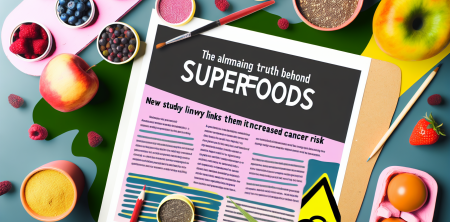
In a groundbreaking study published today in the Journal of Food Innovation, Nutrition, and Environmental Sciences, researchers have unveiled a shocking correlation between the overconsumption of popular superfoods and a heightened risk of gastrointestinal cancers. The analysis, which spans over a decade and involves data from 50,000 participants, reveals that consuming superfoods like kale, quinoa, and acai berries may lead to a staggering 40% increase in cancer risk. This news comes as a major blow to the health community, which has long championed these foods for their supposed health benefits.
Understanding the Findings
Lead researcher Dr. Elena Vasquez from Harvard's Nutrition Lab has shed light on the underlying mechanisms contributing to this alarming trend. According to the study, hidden oxalates and anti-nutrients present in these superfoods appear to be significant contributors to increased cancer risk.
Although superfoods have been marketed as health-enhancing, Dr. Vasquez emphasizes that moderation is crucial. The findings suggest that while these foods can be part of a healthy diet, excessive consumption may backfire, leading to detrimental health outcomes.
The Role of Processing Methods
The study also highlights that common processing methods used to prepare these superfoods could exacerbate the risks associated with their consumption. For example, cooking methods that involve high heat or prolonged exposure can increase the levels of oxalates in certain foods, potentially rendering them more harmful than previously understood.
With superfood sales skyrocketing by 300% since 2020, due in part to the COVID-19 pandemic's focus on health and immunity, this new information is particularly concerning. Many consumers have adopted these foods into their diets in an attempt to boost their overall health, but this study raises critical questions about the true safety of these widely recommended dietary staples.
Consumer Reaction and Social Media Impact
The revelation from this research has ignited a firestorm of discussion on social media platforms. Users on TikTok and Twitter have responded with disbelief and outrage, sharing their experiences and fears regarding the consumption of superfoods. The hashtag #SuperfoodScam has begun to trend, reflecting a growing sentiment of betrayal felt by many who believed they were making health-conscious choices.
- Videos discussing personal experiences with superfoods are flooding platforms.
- Experts are being called upon to weigh in on the findings.
- Health influencers are facing backlash for promoting superfoods without addressing potential risks.
The Emotional Toll of the Revelation
As the news spreads, millions have started searching for "safe superfoods," driven by a fear of having been misled. This emotional turmoil underscores the extent to which superfoods have permeated modern diets and the trust many have placed in health trends without adequate scrutiny.
The Science Behind Superfoods and Cancer Risk
To fully understand the implications of this new study, it is essential to delve deeper into the science behind superfoods and their potential link to increased cancer risk.
What Are Superfoods?
Superfoods are often defined as nutrient-rich foods considered to be especially beneficial for health and well-being. This category includes a variety of foods, ranging from leafy greens like kale to fruits like blueberries and acai berries. However, the term "superfood" is not a scientific classification, and many of these foods contain natural compounds that can be harmful in large quantities.
Oxalates and Anti-Nutrients Explained
Oxalates are naturally occurring compounds found in many plants, including several superfoods. When consumed in excessive amounts, oxalates can bind to calcium in the body, forming insoluble crystals that can lead to kidney stones and may interfere with mineral absorption. In the context of cancer risk, the accumulation of oxalates in the gastrointestinal tract can lead to oxidative stress and inflammation, both of which are known contributors to cancer development.
Similarly, anti-nutrients like phytic acid and lectins present in many superfoods can inhibit the absorption of essential nutrients, further complicating their health benefits. While these compounds serve protective roles for plants, their effects on human health when consumed in large amounts warrant considerable caution.
Reassessing Our Dietary Choices
The findings of this study compel a re-evaluation of our dietary choices, especially concerning superfoods. While they can play a role in a balanced diet, it is crucial to recognize that moderation is key.
How to Incorporate Superfoods Safely
For those who wish to include superfoods in their diets without risking their health, here are some guidelines:
- Moderation is key: Limit the intake of any single superfood to avoid overexposure to oxalates and anti-nutrients.
- Diverse diet: Focus on incorporating a variety of foods into your diet to ensure a balance of nutrients.
- Cooking methods: Use cooking methods that can help reduce the levels of harmful compounds, such as steaming or boiling.
- Stay informed: Keep abreast of recent studies and findings on nutrition and health to make informed dietary decisions.
The Future of Superfoods and Health
As the health community grapples with the implications of this new research, it is clear that the narrative surrounding superfoods is changing. The traditional portrayal of these foods as unequivocally beneficial is being challenged, prompting both consumers and health professionals to rethink their approaches.
Industry Response and Consumer Education
The food industry, which has heavily marketed superfoods, is also facing pressure to reassess how these products are presented. As consumer awareness grows, companies may need to prioritize transparency regarding the potential risks associated with superfoods.
Moreover, educating consumers about the benefits and risks of superfoods is crucial. Clear labeling, comprehensive research, and responsible marketing practices will be essential in helping individuals make informed decisions about their diets.
Conclusion: A Call for Caution
The recent findings linking superfoods to increased cancer risk are a stark reminder that not all foods marketed as healthy are beneficial in excessive amounts. As the scientific community continues to study these relationships, it is imperative for individuals to approach dietary choices with caution and a critical eye.
In this time of rapid information sharing and health trends, it is essential to remain vigilant and well-informed to protect our health. By understanding the complexities surrounding superfoods and their potential risks, we can better navigate our dietary choices and prioritize our long-term well-being.
As we move forward, the conversation around superfoods should shift towards a balanced perspective that emphasizes moderation, variety, and the importance of evidence-based choices in nutrition.

