```html
Finding the right activities for 2-year-olds can be a challenge. At this age, children are curious, energetic, and eager to explore the world around them. Engaging in appropriate activities not only entertains them but also fosters essential developmental skills. In this article, we’ll explore ten exciting and educational activities that are perfect for your little ones, ensuring that playtime is both fun and enriching.
1. Art Exploration: Unleashing Creativity
Art activities are fantastic for encouraging creativity in 2-year-olds. A simple yet effective way to stimulate artistic expression is through finger painting. Set up a station with non-toxic paints, large sheets of paper, and let your child’s imagination soar. This not only provides sensory input but also helps develop fine motor skills as they learn to grip the paintbrush or use their fingers.
Additionally, incorporating various materials can enhance this activity. Try using items like cotton balls, sponges, or even natural elements like leaves and twigs. Not only does this diversify their experience, but it also introduces them to different textures and concepts, such as colors and shapes. Art exploration is not just about creating a masterpiece; it’s about the joy of the process!
2. Outdoor Adventures: Nature Walks
Getting outside is vital for a child’s physical and emotional development. Nature walks provide the perfect opportunity to explore the environment. Equip your little one with a small backpack filled with snacks and a magnifying glass, and head out to a park or nearby nature trail. Encourage them to observe their surroundings — the colors of flowers, the sounds of birds, and the feel of grass beneath their feet.
To make this activity even more engaging, create a simple scavenger hunt. Prepare a list of items for your child to find, such as a smooth pebble, a yellow flower, or a leaf. This will not only keep them engaged but also stimulate their observation skills and attention to detail. Nature walks can become a cherished routine that fosters a lifelong love of the outdoors.
3. Building Blocks: Foundations of Learning
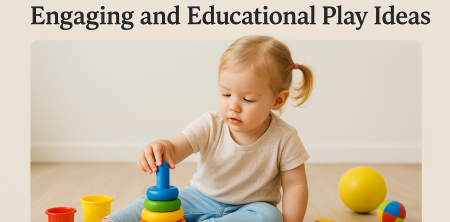
Building blocks are a classic activity that never goes out of style. They offer endless possibilities for creativity and problem-solving. When toddlers stack blocks, they not only have fun but also develop spatial awareness and hand-eye coordination. Start with larger blocks to ensure safety and facilitate easier manipulation.
Encourage your child to create structures by providing prompts, such as building a tower or a house. You can also turn this into a learning opportunity by introducing concepts such as balance and gravity. As they experiment with different configurations, they’ll learn through trial and error, which is a crucial part of cognitive development. Plus, building together can enhance your bond and provide a great opportunity for social interaction.
4. Story Time Adventures: Fostering Language Skills
Reading is one of the most beneficial activities for 2-year-olds. Storytime not only expands their vocabulary but also sparks imagination and curiosity. Choose brightly illustrated books with simple, engaging stories that capture their attention. Consider interactive books that incorporate textures or flaps for them to explore.
To make storytime even more effective, ask questions about the story as you read. This encourages active listening and comprehension skills. For example, ask, "What do you think will happen next?" or "Can you point to the dog?" This kind of interaction not only enhances their understanding of the narrative but also fosters critical thinking. Incorporating songs or rhymes related to the stories can also make this experience even more enjoyable.
5. Water Play: Sensory Fun
Water play is one of the most enjoyable activities for 2-year-olds. It allows them to explore their sensory capabilities while engaging in imaginative play. Whether it’s a warm bath filled with toys or a water table in your backyard, water play offers countless opportunities for learning. Provide cups, scoops, and small toys to enhance the experience.
Through water play, your child can learn about concepts like pouring, floating, and sinking. You can also introduce simple science experiments, such as mixing colors with food dye to see what happens when they combine them. The splashes, sounds, and sensations of water create a rich sensory experience, making it an excellent activity for developing fine motor skills while having fun!
6. Music and Movement: Dancing Through Learning
Music and movement are vital for physical development and self-expression. Incorporate music into your daily routine with sing-alongs, dances, and musical games. Play a variety of music genres — from classical to nursery rhymes — and encourage your child to dance freely. This not only builds gross motor skills but also enhances rhythm and coordination. (See: Child development milestones.)
You can also introduce musical instruments, such as shakers or drums, to allow for creative expression through sound. This kind of play can be incredibly engaging, as children love to hear the sounds they create. Consider creating a mini dance party at home, where you can model different movements and encourage your child to follow along, creating a fun bonding experience.
7. Simple Puzzles: Cognitive Challenges
Puzzles are a fantastic way to develop problem-solving skills in young children. Opt for large, chunky pieces that are easy for small hands to manipulate. Begin with simple shapes or animal puzzles that allow your child to connect pieces together. This promotes hand-eye coordination and cognitive skills as they figure out where each piece belongs.
As your child grows more comfortable with puzzles, you can gradually introduce more complex challenges. Engaging in puzzle play together can also promote patience and critical thinking. Ask guiding questions, like, "What shape do you think fits here?" or "Can you find the corner piece?" This way, you’re not just handing them the solution but fostering their own problem-solving abilities.
8. Cooking Together: Fun in the Kitchen
Cooking can be a delightful and educational activity for toddlers. Choose simple recipes that require minimal steps, like making no-bake cookies or assembling a fruit salad. Involve your 2-year-old in the process by allowing them to wash vegetables, stir ingredients, or even sprinkle toppings. This hands-on experience can enhance their fine motor skills and understanding of basic concepts like measuring.
Discuss colors, shapes, and textures during the cooking process. For instance, when cutting fruits, you can talk about their colors and shapes. This not only makes cooking educational but also introduces them to healthy eating habits at an early age. Plus, the satisfaction of creating something tasty together can be incredibly rewarding for both of you!
9. Role Play and Imaginative Play: Building Social Skills
Imaginative play is essential for developing social skills and emotional understanding. Provide toys that encourage role-playing scenarios, such as dolls, action figures, or kitchen sets. These activities allow your child to express themselves and act out different roles. It’s amazing to watch a child take on the persona of a doctor, teacher, or parent, using their imagination to create stories and scenarios.
To enhance this experience, you can join in the play. Ask open-ended questions and encourage them to elaborate on their stories. This not only increases their vocabulary but also helps them learn social interactions, empathy, and cooperation. Role play can help children process their emotions and experiences, making it a vital aspect of their development.
10. Gardening Fun: Learning About Nature
Gardening is an excellent way to teach 2-year-olds about nature and responsibility. Start with easy-to-grow plants, such as herbs or flowers, and involve your child in the planting process. Let them dig in the dirt, plant seeds, and water the plants. This hands-on approach allows them to connect with nature while developing fine motor skills and an understanding of how things grow.
As they nurture their plants, you can introduce concepts like the lifecycle of a plant and the importance of taking care of the environment. Gardening can also foster patience as they wait for their plants to grow. It's a rewarding experience that not only cultivates a sense of accomplishment but also instills a love for nature.
11. Creative Building with Household Items: Imagination at Work
You don’t always need fancy toys to engage your 2-year-old creatively. Gather some household items like cardboard boxes, plastic containers, or even old magazines. These materials can serve as building blocks for imaginative play. For instance, large cardboard boxes can become anything from a spaceship to a castle, depending on your child’s creativity.
Encourage your child to think outside the box—literally! Ask them to describe what they’re building or how they’re using the materials. This not only enhances their imagination but also develops their narrative skills as they create stories around their constructions.
Statistics show that open-ended play like this can significantly improve a child's problem-solving abilities and creativity. A study published in the journal "Child Development" indicates that children who engage in more imaginative play score higher on creativity tests as they grow older.
12. Counting Games: Math Made Fun
Introducing basic math concepts doesn’t have to be tedious! Counting games can make learning numbers fun. Use everyday items like blocks, buttons, or even snacks to turn counting into a game. For example, ask your child to count how many blocks they stacked or how many grapes they have on their plate. (See: Guidelines for learning activities.)
You can incorporate songs that involve counting, such as "Five Little Ducks" or "Ten in the Bed." These songs not only make counting enjoyable but also help with memory retention. Research indicates that children learn better when they are engaged in music, as it provides a rhythmic way to remember facts and figures.
Through simple counting games, your child will develop their number recognition and foundational math skills, ensuring they are prepared for future learning.
13. DIY Sensory Bins: Engaging the Senses
Sensory bins are a fantastic way to engage your child’s sense of touch, sight, and even smell. Create a sensory bin using a large container filled with materials like rice, beans, or pasta. You can add measuring cups, spoons, or small toys into the mix to encourage exploration.
Change the themes of your sensory bins according to seasons or holidays. For example, in fall, you might fill a bin with dried leaves and mini pumpkins, while in winter, you could use cotton balls to resemble snow. This can keep the activity fresh and exciting.
According to child development experts, sensory play is crucial for a child’s growth as it helps them in developing fine motor skills, spatial awareness, and cognitive skills through exploration. Not to mention, your little one will love the tactile experiences involved!
14. Simple Science Experiments: Hands-On Learning
Science can be fascinating, even for toddlers! Simple science experiments can introduce concepts like cause and effect, states of matter, and basic chemistry. Try experiments like making a volcano using baking soda and vinegar or observing what happens when you freeze or melt different items.
Another easy experiment involves mixing water with oil and food coloring to create a mini lava lamp. The visuals are captivating, and your child will get to learn about density and reactions. Always supervise these activities closely to ensure safety, and remember to discuss what’s happening after each experiment.
Studies have shown that hands-on science activities enhance children’s understanding of basic scientific principles. The National Association for the Education of Young Children suggests that when kids actively participate, they retain information much better than through passive learning methods.
15. Interactive Learning Apps: Technology Meets Play
In today's digital age, integrating technology into your child’s playtime can be beneficial when done appropriately. There are numerous educational apps designed for young children that promote learning through games. Look for apps that focus on letters, numbers, shapes, and even basic problem-solving skills.
Encourage interactive learning by sitting with your child while they play. Engage them by asking questions about what they’re doing in the app, or if they can solve a puzzle together with you. This not only reinforces their learning but also allows for quality bonding time.
Research indicates that educational technology can enhance learning outcomes when combined with parent involvement. The Joan Ganz Cooney Center found that children who interacted with educational media performed better in literacy and math skills than those who didn't. Just be mindful to balance screen time with hands-on activities.
16. Frequently Asked Questions
What are the best types of activities for 2-year-olds?
The best activities for 2-year-olds are those that promote creativity, physical development, and cognitive skills. This includes arts and crafts, outdoor play, music, and imaginative play. Ensuring activities are safe, engaging, and varied will keep your child interested and learning.
How long should play sessions be for a 2-year-old?
Play sessions for 2-year-olds can vary significantly based on their attention spans, which can be quite short. Generally, aim for 10-15 minutes for more structured activities and up to 30 minutes for free play. Follow their lead and switch activities as needed to maintain their interest.
How can I make activities more educational?
Incorporate learning goals into activities by asking questions, introducing new vocabulary, or relating activities to real-world situations. For example, while cooking, discuss the colors and shapes of ingredients, or while gardening, talk about the life cycle of plants.
What should I avoid when planning activities?
Avoid activities that are too complicated for their age, as this can lead to frustration. Also, steer clear of small parts that could be a choking hazard, and ensure that the materials used are non-toxic and safe for toddlers.
How can I encourage my child to try new activities?
To encourage your child to try new activities, model enthusiasm and participate alongside them. Introduce new activities gradually and create a positive environment where they feel safe to explore and express themselves. Celebrate their efforts, no matter how small, to build their confidence.
Are there any specific benefits to outdoor activities for toddlers?
Absolutely! Outdoor activities not only provide physical exercise but also stimulate a child's imagination and creativity. They expose toddlers to new experiences and help develop social skills through play with peers. Studies show that children who regularly engage in outdoor play tend to have better emotional well-being and develop stronger motor skills.
How can I tell if my child is enjoying an activity?
Watch for signs of enthusiasm, such as smiling, laughter, and active participation. If your child is focused and asking questions, it’s a good indication they’re engaged. On the flip side, if they seem disinterested or frustrated, it might be time to switch things up or try a different activity.
What types of materials should I use for arts and crafts?
For arts and crafts, non-toxic, washable materials are the safest choices. Good options include finger paints, crayons, colored paper, and natural elements like leaves or flowers. Ensure that any materials you choose are age-appropriate to avoid any choking hazards or toxic substances.
Engaging activities for 2-year-olds should focus on development while keeping playtime enjoyable. The options we’ve explored here are designed to stimulate creativity, enhance motor skills, and promote learning. By incorporating these activities into your daily routine, you'll create a rich environment that supports your child's growth and development. So, gather your supplies, embrace the mess, and enjoy the magical world of play with your little one!
```
Trending Now
Frequently Asked Questions
What activities are good for 2-year-olds?
Engaging activities for 2-year-olds include art exploration, outdoor adventures like nature walks, sensory play with various materials, simple scavenger hunts, and interactive storytelling. These activities foster creativity, physical development, and cognitive skills, providing a well-rounded play experience.
How can I encourage creativity in my 2-year-old?
You can encourage creativity in your 2-year-old through art activities such as finger painting and using various materials like sponges and natural elements. Allowing them to express themselves without restrictions fosters imagination and fine motor skills.
What are some educational play ideas for toddlers?
Some educational play ideas for toddlers include nature walks, where they can observe their environment, and scavenger hunts that enhance observation skills. Art exploration and sensory play also promote learning while keeping them engaged and entertained.
Why is outdoor play important for toddlers?
Outdoor play is crucial for toddlers as it supports their physical and emotional development. Activities like nature walks help them explore their surroundings, build motor skills, and enhance their sensory experiences, all while enjoying fresh air and exercise.
What materials are safe for 2-year-olds to use in art activities?
Safe materials for 2-year-olds in art activities include non-toxic paints, large sheets of paper, cotton balls, sponges, and natural items like leaves and twigs. These materials encourage creativity and sensory exploration without compromising safety.
What's your take on this? Share your thoughts in the comments below — we read every one.

