```html
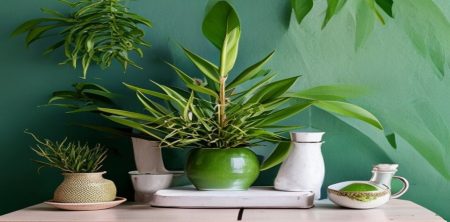
Sage green wall paint has emerged as a beloved choice among homeowners and interior designers alike, thanks to its soothing palette that evokes the tranquility of nature. This versatile hue seamlessly fits into various design styles, whether you're aiming for a rustic farmhouse look or modern minimalism. In this article, we’ll explore the best sage green wall paint colors that can elevate your living spaces, providing practical insights and inspiration tailored to your home.
1. What is Sage Green?
Sage green is a soft, muted green that captures the essence of the herb for which it's named. It typically features gray undertones, giving it a sophisticated and understated elegance. This color symbolizes peace, harmony, and balance, making it a perfect choice for spaces meant for relaxation, such as bedrooms and living rooms.
In terms of color psychology, sage green wall paint can create a serene atmosphere that promotes calmness and well-being. It’s especially beneficial in today’s fast-paced world, as many people seek to create sanctuaries in their homes where they can unwind and recharge.
2. Choosing the Right Shade of Sage Green
When selecting sage green wall paint, it's essential to consider various factors that could influence your decision. The lighting in your space plays a significant role; natural light can brighten the color and make it appear more vibrant, while artificial lighting might bring out the gray undertones.
Additionally, the surrounding decor will impact how the color interacts with other hues in the room. For instance, if you have warm wooden furniture, a sage green with a slightly warmer undertone will create a cohesive and inviting look. Alternatively, cooler undertones can complement modern minimalist designs.
3. 1. Farrow & Ball's 'Scree'
Farrow & Ball's 'Scree' is a stunning, soft sage green that falls under the category of muted greens. This shade strikes a perfect balance between gray and green, making it incredibly versatile. It works beautifully not just on walls but also on cabinetry and furniture, allowing for a cohesive look throughout different elements of a room.
When used in smaller spaces, 'Scree' can make the room feel larger and airier. Its subtlety ensures that it pairs well with white trim and other lighter colors, while still providing enough character to stand out on its own.
4. 2. Sherwin-Williams' 'Sage Green'
Sherwin-Williams' 'Sage Green' offers a more traditional take on this color, featuring a softer and slightly warmer tone. This paint color is perfect for creating a cozy atmosphere, particularly in living rooms and bedrooms. It's an excellent choice for those who want to embrace a farmhouse or cottage aesthetic.
One of the advantages of 'Sage Green' is its ability to adapt to different lighting conditions. In bright natural light, it appears fresh and lively, while in dimmer light, it takes on a more muted and sophisticated tone. Pair it with natural materials like wood, stone, or linen for a harmonious and inviting space.
5. 3. Benjamin Moore's 'Saybrook Sage'
For those looking for a green that packs a bit more punch, Benjamin Moore's 'Saybrook Sage' is an excellent choice. This shade leans slightly more towards a deep green, evoking the rich hues of nature. It’s ideal for accent walls or as part of a two-tone color scheme.
What sets 'Saybrook Sage' apart is its ability to evoke a sense of the outdoors, making it particularly appealing for coastal or nature-inspired decor. It pairs beautifully with warm whites and creams, allowing for a fresh yet timeless look.
6. 4. Behr's 'Pine Sage'
Behr's 'Pine Sage' is a bit more vibrant, making it perfect for those who want to incorporate a lively splash of color without overwhelming a room. This shade brings a sense of vitality and energy, making it suitable for kitchens or dining areas where social interactions occur. (See: Understanding color psychology.)
Using 'Pine Sage' in a glossy finish can also enhance its brightness, making it a fantastic choice for spaces that receive a lot of natural light. Pairing it with darker woods or bold colors can create an exciting contrast that engages the eye.
7. 5. Valspar's 'Sage Leaf'
Valspar's 'Sage Leaf' offers a delicate, light sage green perfect for those who want a subtle touch of color. Ideal for bedrooms or bathrooms, this shade is calming and unobtrusive, fostering a peaceful atmosphere.
One of the significant advantages of 'Sage Leaf' is its versatility; it can easily complement both traditional and contemporary styles. Whether you're styling with antique furniture or sleek modern pieces, this color can create a beautiful backdrop that highlights your decor.
8. 6. Glidden's 'Soft Sage'
Glidden's 'Soft Sage' is another light and airy option that can brighten up any room. This paint color is ideal for creating a spacious and open feel, making it perfect for small or enclosed areas. Its refreshing quality is particularly beneficial in spaces where you want to facilitate focus and productivity, such as home offices.
Additionally, 'Soft Sage' pairs beautifully with soft whites and grays, enabling you to create a serene palette that’s welcoming and calming. Whether used on all four walls or as an accent, this color exudes a sense of tranquility.
9. 7. Dulux's 'Sage Green'
Dulux's 'Sage Green' stands out with its rich depth and warmth. This color works well in larger spaces where you want to create a statement without overwhelming the senses. It’s particularly effective when used in open-plan areas as it provides a grounding effect.
This particular shade can be paired effectively with golden browns and soft creams for a harmonious look that adds sophistication to your home. It’s also a great choice for accent walls, offering a bold contrast against lighter colors.
10. 8. Ralph Lauren's 'Sage Green'
Ralph Lauren’s 'Sage Green' evokes a sense of elegance and refinement, ideal for traditional or classic interior styles. This paint color has a slightly more muted tone that brings a sophisticated touch to any room.
A great way to use 'Sage Green' is in combination with rich textures and fabrics, such as velvet drapes or embroidered pillows. This color enhances the luxurious feel of a space, creating a cozy yet upscale atmosphere.
11. Practical Tips for Painting with Sage Green
When you're ready to paint, there are a few practical tips to keep in mind for achieving the best results with sage green wall paint. First, always test a sample on your wall before committing to a full paint job. Colors can appear significantly different in various lighting conditions, so it’s wise to see how the shade interacts with your space throughout the day.
Next, consider the finish of your paint. A matte finish can provide a soft, cozy look, while a satin or semi-gloss finish will reflect light and make the color more pronounced. Choose a finish that aligns with the mood you want to establish in the room.
12. Incorporating Sage Green into Your Decor
Once you've chosen your wall paint, the next step is integrating sage green into your overall decor scheme. This color can be paired with a variety of shades and materials to create stunning and cohesive looks. For example, sage green pairs beautifully with soft whites, creams, and even darker colors like navy or charcoal, which can add depth to your space.
For a more eclectic style, consider combining sage green with bright accents. Think about coral pillows, mustard yellow throws, or even metallics like gold and brass. These combinations can infuse energy into a room while still keeping the calming influence of sage green.
13. Complementary Colors for Sage Green
Understanding what colors complement sage green can take your design to the next level. Soft neutrals, such as beige and soft gray, work well to keep the focus on the green while creating a warm and inviting atmosphere. (See: Mental health and environment.)
On the other hand, if you’re looking to add a bolder twist, try pairing sage green with deep burgundy or navy blue. These colors can provide a striking contrast that makes sage green pop even more, creating a visually exciting space.
14. Sage Green and Seasonal Decor
Sage green is a versatile color that can adapt beautifully to seasonal decor changes. In spring and summer, consider pairing sage green with lighter colors like pastel pinks or yellows for a fresh, breezy feel. In fall and winter, you can complement it with rich jewel tones or earthy tones to create a cozy, warm environment.
Additionally, incorporating seasonal decor elements such as floral arrangements, throw blankets, or artwork can help you shift the mood of a room seamlessly throughout the year while maintaining a consistent base color with sage green.
15. Expert Tips on Maintaining Sage Green Walls
Maintaining the painted surfaces is crucial, especially in high-traffic areas. Regular cleaning can help retain the beauty of your sage green walls. Use a mild soap solution and a soft sponge to wipe down the walls; this can help remove any dust or stains without damaging the paint finish.
For areas prone to wear, consider using a satin or semi-gloss finish, which makes cleaning easier and helps maintain the vibrancy of the paint. Additionally, if you notice any peeling or fading, it's a good idea to touch up the paint as needed to keep your walls looking fresh and new.
16. FAQs about Sage Green Wall Paint
1. Is sage green suitable for small rooms?
Absolutely! Sage green can make small rooms feel larger and more open due to its soft and airy vibe. You can enhance this effect by using light-colored furniture and decor.
2. What type of lighting works best with sage green paint?
Natural lighting is ideal as it can bring out the freshness of sage green. However, warm artificial lighting can create a cozy atmosphere, while cool lighting might accentuate gray undertones.
3. Can sage green be used in commercial spaces?
Yes, sage green is increasingly popular in commercial spaces as well. Its calming effect can help create a relaxed environment in settings like offices, waiting rooms, and cafes. See also Target home decor tips.
4. How can I test sage green paint in my home?
It's best to test paint samples on a wall that receives both natural and artificial light. Observe how the color changes throughout the day before making a final decision.
5. What decor styles best complement sage green walls?
Sage green works well with a variety of styles, including rustic, modern, farmhouse, and even bohemian decor. Its versatility allows it to blend seamlessly with both traditional and contemporary elements.
17. The Future of Sage Green in Design
Sage green is not just a passing trend; it's becoming a staple color in interior design. Its popularity is fueled by a growing desire for calming spaces that reflect nature and promote well-being. As sustainability becomes a more significant focus in design, colors like sage green resonate with the eco-conscious mindset, as they evoke the serenity of the natural world.
Moreover, the versatility of sage green allows it to evolve with changing design trends. Whether paired with bold colors for a contemporary look or used in soft palettes for a more traditional feel, sage green is likely to remain a cherished choice for many years to come. (See: Mental health resources for adolescents.)
18. The Cultural Impact of Sage Green
Sage green has transcended mere aesthetics to become a cultural symbol of mindfulness and eco-friendliness. With the rise of sustainable living and green architecture, this color is often associated with health, nature, and wellness. It resonates strongly with those who prioritize mental well-being and seek to create environments that reflect their values.
Notably, brands are increasingly integrating sage green into their product lines, from home decor to fashion, showcasing its widespread appeal. It has been adopted by wellness brands, illustrating how it can enhance a sense of calm and connection to nature in everyday life. Furthermore, as social media platforms like Instagram and Pinterest flourish with home decor ideas, sage green frequently appears in curated spaces, spreading its influence and popularity.
19. Expert Perspectives on Sage Green
Interior design experts often praise sage green for its timeless quality. Designer Sarah Richardson states, "Sage green is a color that stands the test of time. It offers a perfect backdrop that allows other colors to shine." The flexibility of sage green makes it suitable for various styles, from contemporary to classic.
Moreover, color consultants emphasize that the emotional impact of sage green should not be underestimated. According to color psychologist Angela Wright, "Sage green promotes tranquility and can help create a serene environment, making it perfect for spaces where relaxation is key." This insight highlights the importance of selecting colors that align with the intended use of a space.
20. Using Sage Green in Various Rooms
Sage green can serve different purposes when used in various rooms. In bedrooms, it can create a calming oasis conducive to restful sleep. In living areas, it can foster conversation and connection. In kitchens, sage green can evoke feelings of freshness and vitality, especially when paired with white cabinetry or wooden accents.
For bathrooms, lighter shades of sage green can enhance the feeling of cleanliness and tranquility. Consider incorporating sage green tiles or accents in a bath space to create a spa-like atmosphere. Furthermore, in outdoor spaces such as patios or garden areas, sage green can harmonize with nature, enhancing the overall aesthetic and encouraging outdoor relaxation.
21. Creating a Sage Green Color Palette
Creating a cohesive color palette that includes sage green can elevate your design scheme. Start with sage green as your primary color, and then layer in complementary colors. For a fresh feel, consider pairing sage green with crisp whites and soft creams. For a bolder look, darker shades like navy or charcoal can create dramatic contrast, while still allowing the calmness of sage green to shine through.
Textiles like curtains, cushions, and rugs can also incorporate shades of green, neutrals, and complementary colors to tie the room together. Choose artwork or decor accents that incorporate these colors to create a well-rounded visual experience. Remember, the goal is to create an environment that feels harmonious and inviting.
22. Conclusion: The Allure of Sage Green
Sage green wall paint offers a perfect blend of nature-inspired elegance and versatility, making it an ideal choice for any home. Whether you opt for a muted tone like 'Scree' or a deeper shade like 'Saybrook Sage,' these colors can bring warmth and serenity to your spaces. As you embark on your painting journey, remember to take into consideration your lighting, decor, and personal style. With the right sage green wall paint, you can transform your home into a tranquil retreat.
```
Trending Now
- read the full story
- 5 Must-Have AV Solutions for Faculty Battling Daily Tech Challenges
- this guide on astonishing av challenges: why faculty digital infrastructure needs urgent attention
- our breakdown of 9 best ai-powered elearning platforms for course creators in 2023 you can’t miss
Frequently Asked Questions
What is sage green wall paint?
Sage green wall paint is a soft, muted green color with gray undertones, reminiscent of the herb it's named after. It symbolizes peace and balance, making it an ideal choice for creating serene and relaxing spaces in homes.
How do I choose the right shade of sage green?
To choose the right shade of sage green, consider the lighting in your space, as natural light can enhance vibrancy while artificial light may highlight gray undertones. Additionally, take into account your existing decor and furniture to ensure a harmonious look.
What are the best sage green paint colors?
Some of the best sage green paint colors include Farrow & Ball's 'Scree', which offers a perfect balance of gray and green. Other popular options may vary based on personal preference and the desired ambiance in your space.
Is sage green a good choice for interior walls?
Yes, sage green is an excellent choice for interior walls due to its calming and soothing qualities. It pairs well with various design styles, from rustic to modern, making it versatile and appealing for many homeowners.
What design styles does sage green complement?
Sage green complements a variety of design styles, including rustic farmhouse, modern minimalism, and contemporary aesthetics. Its muted tone allows it to blend seamlessly with different colors and materials, enhancing the overall decor of a space.
Agree or disagree? Drop a comment and tell us what you think.


0 Responses