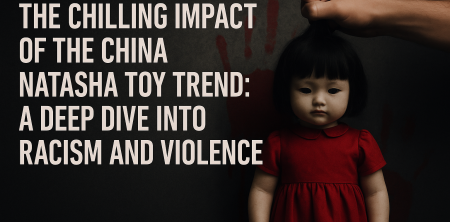
The emergence of the China Natasha toy trend has sent shockwaves across social media, igniting a firestorm of outrage and concern over the disturbing imagery and messages it conveys. Videos circulating widely on Chinese platforms depict a Black baby doll being subjected to various forms of violence—beaten, pulled, and thrown. As this trend gained traction, it sparked intense debate around issues of racism, violence, and the implications of online behavior. In this article, we’ll explore the origins, implications, and the societal reactions to this troubling phenomenon.
Understanding the Natasha Toy Trend
The China Natasha toy trend refers to a viral series of videos where users engage in abusive actions against a Black baby doll, often accompanied by laughter or mockery. The trend appears to have originated on platforms like Douyin (the Chinese version of TikTok) and quickly spread through social media, capturing the attention of both local and global audiences.
This trend is not merely a reflection of harmless pranks or memes; rather, it raises profound questions about the cultural narratives that are being perpetuated and the desensitization to violence and racism that may be present in society.
The Viral Nature of the Trend
One of the key factors driving the rapid spread of the China Natasha toy trend is the inherent shock value of the videos. As internet users, we often find ourselves drawn to sensational content, and the visual nature of these clips makes them particularly engaging. With quick cuts, humorous captions, and the inherent absurdity of the situation, it's no wonder that the videos gained traction.
However, their virality also highlights a troubling aspect of online culture: the normalization of violent behavior, especially when it is packaged as humor. The excitement around the trend can distract from the seriousness of the actions being depicted, raising ethical questions about what is considered acceptable entertainment.
Racism and Cultural Context
The portrayal of a Black baby doll in these videos is particularly concerning. Critics argue that this reflects a deeper societal issue—one where racial stereotypes and dehumanization are prevalent. In the context of China, where discussions about race have historically been muted compared to Western narratives, the China Natasha toy trend unveils the underlying tensions and ignorance that exist.
In many ways, the videos serve as a mirror reflecting a society grappling with its own understanding of race and identity. The fact that users are comfortable using a Black doll as a vehicle for violence speaks volumes about the lack of sensitivity towards racial issues and the potential for harm.
Public Backlash and Condemnation
As the China Natasha toy trend grew, so too did the backlash. Social media users and commentators alike began to voice their outrage, condemning the trend for its violent undertones and blatant racism. Influencers and public figures joined the conversation, calling for an end to the trend and urging platforms to take action against such content.
The public response underscores a critical shift in societal attitudes toward racism and violence. More individuals are willing to speak out against injustice, and the condemnation of the Natasha trend reflects a growing intolerance for actions that perpetuate discrimination. See also teaching racism insights.
Platform Responsibility and Moderation
The role of social media platforms in moderating content has come under intense scrutiny following the emergence of the China Natasha toy trend. Critics argue that platforms like Douyin should take greater responsibility in monitoring content that promotes violence or racial stereotyping.
In recent years, there has been a shifting conversation around what constitutes acceptable behavior online. With the growing power of social media, comes the obligation to ensure that platforms do not become breeding grounds for harmful ideologies. Implementing robust moderation systems and ensuring that harmful content is swiftly removed is crucial.
The Broader Implications of the Trend
The implications of the China Natasha toy trend extend beyond individual behavior; they raise essential questions about societal values and the messages being communicated through popular culture. In a globalized world, cultural exchanges can sometimes lead to misunderstandings and misinterpretations, particularly concerning race. (See: BBC coverage on social media trends.)
This trend, while localized, has global ramifications as it invites discussions around race, identity, and human rights that transcend borders. It highlights the need for ongoing education about racial sensitivity and the impact of our actions on marginalized communities.
Addressing the Issues: Education and Awareness
To combat the harmful narratives perpetuated by trends like the China Natasha toy trend, it is essential to promote education and awareness about racial issues. Initiatives that foster dialogue around racism, cultural sensitivity, and the implications of violent behavior can help create a more informed society. Community leaders, educators, and parents all play a role in this educational effort.
Workshops, discussions, and social media campaigns can serve as platforms for spreading awareness and encouraging critical thinking about media consumption. By making individuals aware of the harmful effects of racism and violence, society can begin to pave the way for change.
Global Reactions and Cultural Differences
The international reaction to the China Natasha toy trend has highlighted the differences in how cultures address racism and violence. In many Western countries, discussions around race are often more openly acknowledged and debated, while in China, these conversations have historically been more subdued.
This cultural disparity can lead to misunderstandings and complicates global reactions to trends like Natasha. As the world becomes more interconnected, recognizing and respecting cultural differences in dialogue about racism is crucial for fostering a more harmonious global society.
Moving Forward: A Call for Accountability
The China Natasha toy trend serves as a stark reminder of the work that still needs to be done in combating racism and violence in society. Moving forward, it's essential to hold individuals accountable for their actions while also pushing for systematic changes that promote diversity and inclusion.
We must strive to create environments where laughter does not come at the expense of others, and where every individual is treated with respect and dignity, regardless of their race. This requires a collective effort from individuals, communities, and institutions to foster understanding and compassion.
Final Thoughts: The Role of Society in Shaping Narratives
The emergence of the China Natasha toy trend is more than just a viral phenomenon; it’s a crucial point of reflection for society. It challenges us to confront our biases, question the content we consume, and engage in meaningful conversations about race and violence.
As we move forward, let’s remember that the narratives we accept and promote can significantly impact future generations. By committing to understanding and addressing the roots of racism and violence, we can begin to shift the culture toward one that values empathy and respect for all individuals.
What Experts Are Saying About the Trend
Experts in sociology and cultural studies have weighed in on the implications of the China Natasha toy trend. Dr. Li Wei, a professor of social media studies at Beijing University, notes that “the rapid spread of this trend is indicative of deeper societal issues, including ignorance around race and how it intersects with humor in online spaces.”
In a similar vein, Dr. Sarah Thompson, an expert in racial studies, emphasizes the need for education regarding the impact of racial representation in media. “When children and young adults are exposed to violent portrayals of race, it creates a narrative that can perpetuate harmful stereotypes,” she argues.
Statistics on Violence and Racism in Media
A study by the Pew Research Center found that 64% of Americans believe that racial stereotypes in media contribute significantly to real-world racism. While this research pertains primarily to Western media, it raises questions about similar trends in other cultural contexts, such as in China.
Moreover, a recent survey conducted by the Anti-Defamation League revealed that 68% of respondents reported seeing an increase in racially charged content online over the past year. This suggests that the normalization of violence and racism in digital spaces is not limited to the China Natasha toy trend but is a broader societal concern. (See: New York Times opinion on racism in China.)
Comparing Global Trends of Racist Content
The China Natasha toy trend is not an isolated incident. Similar trends have emerged globally, often reflecting local cultural attitudes toward race. For instance, in the United States, the "Killer Clown" craze that circulated in 2016 involved violent imagery and undertones of racial stereotypes, albeit in a different context.
In contrast, European nations have seen their own forms of racially insensitive content go viral, often sparking national debates about racism and integration. The differences in how these trends are received can vary drastically, influenced by each country's historical and cultural background.
Frequently Asked Questions (FAQ)
What is the China Natasha toy trend?
The China Natasha toy trend refers to a viral trend on social media platforms where users post videos depicting violent actions against a Black baby doll, often with a comedic undertone. This has raised significant concerns regarding racism and desensitization to violence.
What are the implications of this trend for society?
The trend can reinforce harmful racial stereotypes and normalize violence, highlighting a need for deeper discussions about racial sensitivity and the portrayal of race in media.
How has the public reacted to the trend?
The public response has been largely negative, with many calling for an end to the trend and urging social media platforms to take stronger action against such content. Influencers and public figures have also joined in condemning the trend.
What role do social media platforms play in this issue?
Social media platforms are responsible for moderating content to prevent the spread of violent or racially insensitive material. Critics argue that current moderation practices need improvement to effectively address harmful trends like Natasha.
What can be done to combat trends like the China Natasha toy trend?
Education and awareness initiatives that promote dialogue around racism, cultural sensitivity, and the effects of violent content can help combat these harmful trends. Community engagement and social media campaigns can also foster critical thinking and awareness about these issues.
Are there similar trends in other parts of the world?
Yes, trends similar to the China Natasha toy trend have emerged globally, often reflecting local cultural attitudes toward race and violence. Each trend has its own implications and societal reactions based on the cultural context in which it arises.
Exploring Future Trends and Challenges
The China Natasha toy trend may be a symptom of broader challenges in how society engages with media and culture. As technology continues to evolve, so too will the ways we express humor, share content, and engage with difficult topics like race and violence.
Moving forward, it's essential to foster critical media literacy among younger audiences. This means equipping them with the tools to question and analyze the content they encounter online. Schools and educational institutions should incorporate discussions on race and media influence into their curricula, helping students to navigate these complicated issues.
Spotlight on Community Initiatives
In light of the China Natasha toy trend, several community initiatives have emerged aimed at countering racism and promoting inclusivity. Organizations across China are spearheading efforts to educate the public on the importance of cultural sensitivity. (See: WHO facts on racism and health.)
For instance, grassroots workshops focusing on race relations, empathy training, and the historical context of racism are becoming increasingly common. These gatherings not only provide a platform for discussion but also encourage participants to share personal experiences and reflections. By fostering understanding and compassion, these initiatives aim to dismantle harmful stereotypes and promote a culture of respect.
Analyzing Cultural Narratives: How Media Shapes Perception
The way media portrays race can heavily influence societal perceptions and attitudes. In China, where the mainstream media often lacks diversity, the portrayal of different ethnic groups may reinforce stereotypes. The China Natasha toy trend exemplifies how harmful narratives can proliferate when representation is absent or skewed.
This situation raises important questions about the responsibility of content creators and media producers. As consumers of media, individuals must critically engage with the content they consume and consider its potential impact not only on their own views but on broader societal attitudes.
Case Studies: Historical Racism in Toys
Examining the China Natasha toy trend also invites comparisons to historical instances of racism in toys and children's media. For example, the "Golliwog" dolls, which were popular in the early 20th century, emerged from racially insensitive depictions of Black individuals. These dolls perpetuated stereotypes, much like the imagery seen in the current trend.
Another case worth noting is the "American Indian" toy figures that often portray Indigenous peoples in stereotypical and derogatory manners. Both examples show how toys and media representation can shape children's understanding of race and identity, highlighting the importance of conscious creation and selection of media content for young audiences.
Future Media Trends and Racial Representation
Going forward, there’s a growing demand for media that accurately reflects the diversity of society. As audiences become more aware of the implications of representation, companies and creators will need to prioritize inclusive storytelling and authentic portrayals of race. The China Natasha toy trend may serve as a turning point, prompting creators to rethink how they engage with sensitive topics and ensuring that the voices of marginalized communities are heard and respected.
Additionally, social media platforms must take proactive steps to ensure that the content shared aligns with these evolving standards. This includes investing in diverse talent, curating content that uplifts all communities, and fostering spaces that celebrate racial and cultural diversity rather than perpetuating harmful stereotypes.
Conclusion: A Society Standing Together Against Racism
The China Natasha toy trend presents an opportunity for society to engage in critical reflection about race, violence, and the power of media. It challenges us to build a more empathetic and informed culture, where harmful narratives are actively resisted. By promoting understanding and dialogue, we can take steps toward healing and unity, ensuring that future generations inherit a world that values respect and diversity.
Trending Now
- our breakdown of unlocking opportunities: why the senior ai engineer education role at a.team matters
- the complete explanation
- our breakdown of how kinesthetic learning helps students with adhd focus
- read the full story
- this guide on how to improve your high school transcript before college applications
Frequently Asked Questions
What is the China Natasha toy trend?
The China Natasha toy trend refers to a viral phenomenon where videos depict users engaging in abusive actions against a Black baby doll, often accompanied by laughter. Originating on platforms like Douyin, these videos raise serious concerns about racism, violence, and the desensitization to such behaviors in society.
Why is the China Natasha toy trend controversial?
The trend is controversial due to its disturbing imagery and the normalization of violence against a Black doll. It reflects deeper societal issues regarding racism and the desensitization to violent behavior, prompting widespread outrage and concern over its implications for cultural narratives.
How did the China Natasha toy trend spread?
The trend gained traction through its shock value, appealing to internet users drawn to sensational content. Its rapid spread on social media platforms, particularly Douyin, highlights the troubling normalization of violent behavior, often presented as humor.
What are the implications of the China Natasha toy trend?
The implications include a troubling reflection on societal attitudes towards racism and violence. The trend raises ethical questions about acceptable entertainment and the impact of online behavior on cultural narratives, contributing to desensitization among viewers.
What reactions have emerged regarding the China Natasha toy trend?
Reactions to the trend have included outrage and concern from various communities, highlighting the need for discussions about racism and violence. The trend has sparked debates on social media regarding the responsibilities of content creators and the influence of online behavior. We covered classroom resources for change in more detail.
What's your take on this? Share your thoughts in the comments below — we read every one.

