```html
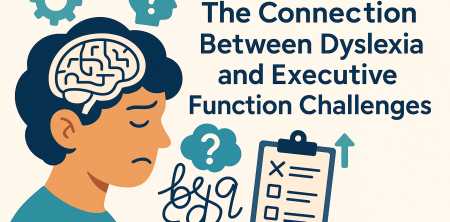
Dyslexia is often viewed through the lens of reading difficulties, but a more nuanced understanding reveals a complex interplay between dyslexia and executive function challenges. When we talk about dyslexia executive function, we’re delving into the critical cognitive processes that govern how individuals plan, organize, and execute tasks. This article seeks to explore the connection between these two areas, shedding light on how they interact and providing insights for educators, parents, and individuals affected by dyslexia.
Understanding Dyslexia
Dyslexia is a specific learning disability that affects reading, spelling, and writing. It is characterized by difficulties in phonological processing, which is essential for decoding words. The International Dyslexia Association describes dyslexia as a neurobiological condition that isn’t tied to intelligence; in fact, many individuals with dyslexia have average or above-average intelligence.
Statistics show that dyslexia affects approximately 10% of the population, making it one of the most common learning disabilities. The impact of dyslexia can be profound, influencing academic achievement, self-esteem, and overall quality of life. Understanding the challenges faced by individuals with dyslexia is crucial for fostering an inclusive educational environment.
What Are Executive Functions?
Executive functions are cognitive processes that enable individuals to plan, focus attention, remember instructions, and juggle multiple tasks successfully. These skills include working memory, cognitive flexibility, and inhibitory control. Simply put, executive functions are the mental tools we use to manage our thoughts, actions, and emotions.
Research indicates that executive function skills develop throughout childhood and into early adulthood. However, deficits in these areas can lead to difficulties in academic achievement and everyday tasks. For instance, a student may struggle to complete homework not due to a lack of knowledge, but rather because they cannot organize their time or materials effectively.
The Intersection of Dyslexia and Executive Function
The connection between dyslexia and executive function challenges is increasingly becoming a focus of research. Studies suggest that individuals with dyslexia often experience deficits in executive function, which can exacerbate their reading difficulties. For example, they may find it hard to organize their thoughts, leading to challenges in both written expression and verbal communication.
One study published in the journal Neuropsychology found that children with dyslexia demonstrated impaired working memory compared to their non-dyslexic peers. This impaired working memory can affect their ability to hold information in mind long enough to use it, a critical component in tasks such as reading comprehension and problem-solving.
Key Executive Function Challenges Faced by Individuals with Dyslexia
- Working Memory: As previously mentioned, working memory is often compromised in individuals with dyslexia. They may struggle to remember instructions or sequences of information, which can hinder their ability to follow multi-step tasks.
- Planning and Organization: Effective planning is essential for academic success. A child with dyslexia may have difficulty organizing their thoughts or materials, resulting in missed deadlines or incomplete assignments.
- Emotional Regulation: Executive functions are closely linked to emotional regulation. Individuals with dyslexia may experience frustration and anxiety, particularly when faced with tasks that require reading or writing. This emotional response can further impact their executive functioning.
- Cognitive Flexibility: Cognitive flexibility refers to the ability to adapt one's thinking to new information or changes in the environment. Individuals with dyslexia may find it challenging to shift between tasks or topics, impacting their learning processes.
Real-World Implications
The interplay between dyslexia and executive function challenges can have far-reaching consequences in a person's life. In academic settings, these difficulties can manifest as poor performance, leading to a cycle of frustration and diminished self-esteem. A student who struggles to keep their desk organized may fail to turn in assignments on time, not because they lack comprehension, but due to executive functioning issues.
Beyond academics, these challenges can extend into daily life. Adults with dyslexia may find themselves overwhelmed with tasks, such as managing work deadlines or organizing their households. The cumulative effect can lead to chronic stress and anxiety, further complicating their ability to function effectively.
Strategies for Support
Recognizing the connection between dyslexia and executive function challenges paves the way for targeted strategies that can support individuals in overcoming these hurdles. Here are several practical approaches: (See: Understanding Dyslexia from NIH.)
1. Structured Environment
A structured environment can greatly benefit individuals with dyslexia. This includes clear organization of materials, consistent routines, and predictable schedules. Educators and parents can implement visual schedules or checklists to help students manage their tasks more effectively.
2. Use of Technology
Technology has opened new avenues for supporting those with dyslexia. Tools such as speech-to-text software can assist with written assignments, while organizational apps can help manage time and tasks. Assistive technology can effectively bridge the gap created by executive function challenges.
3. Explicit Instruction in Executive Function Skills
Teaching executive function skills explicitly can help individuals with dyslexia develop the tools they need to succeed. Strategies such as goal-setting, prioritizing tasks, and self-monitoring can empower students to become more independent learners.
4. Emotional Support
Providing emotional support is vital. Understanding and validation from parents and educators can help mitigate feelings of frustration and anxiety. Creating a safe space for open communication allows individuals to express their feelings and seek help when needed.
Current Research and Future Directions
The ongoing exploration of the relationship between dyslexia and executive function is yielding new insights. Recent research emphasizes the need for early intervention, suggesting that addressing executive function deficits alongside reading difficulties can lead to more favorable outcomes.
Studies are also investigating specific interventions that target executive function skills in children with dyslexia. For instance, programs that combine reading instruction with executive function training may prove beneficial. As educators and researchers continue to unravel this complex relationship, the hope is to develop comprehensive approaches that address the whole child, rather than isolated aspects of learning difficulties.
Success Stories: Overcoming Challenges
Many individuals with dyslexia have gone on to achieve remarkable success, often attributing their accomplishments to the strategies they implemented to mitigate executive function challenges. For example, renowned entrepreneur Richard Branson has openly discussed his struggles with dyslexia and how he learned to leverage his strengths, such as creativity and problem-solving, to navigate his challenges. His story serves as an inspiration to many.
Similarly, actress Whoopi Goldberg has often spoken about her experiences with dyslexia, emphasizing the importance of resilience and finding coping strategies. Their journeys highlight that, while executive function challenges can be daunting, they can be managed with the right support and mindset.
Understanding the Neurobiology of Dyslexia
Understanding the biological underpinnings of dyslexia can enhance the support provided to individuals with both dyslexia and executive function challenges. Brain imaging studies have revealed structural differences in the brains of individuals with dyslexia, particularly in areas related to language processing, such as the left hemisphere's temporoparietal junction. This area is crucial for phonological processing, which is often impaired in those with dyslexia.
Furthermore, research indicates that activity in the frontal lobes, which are responsible for executive functions, is often less efficient in individuals with dyslexia. This inefficiency can explain some of the executive function difficulties they experience, as these brain regions work together to manage cognitive tasks. Understanding these neurobiological aspects can guide tailored interventions that specifically target both reading skills and executive function development. (See: Executive Function Challenges by CDC.)
Common Misconceptions About Dyslexia and Executive Function
Misunderstandings surrounding dyslexia and its link to executive function can lead to inadequate support for those affected. Here are a few common misconceptions:
- Dyslexia is solely about reading: While reading difficulties are a hallmark of dyslexia, it also encompasses challenges in writing, spelling, and, notably, executive function processes.
- All individuals with dyslexia struggle equally: Dyslexia manifests in various ways, and not every individual will have the same challenges regarding executive function. Some may excel in certain areas while struggling in others.
- Executive function skills cannot be improved: Many believe that executive function skills are fixed, but research shows that with targeted interventions and practice, individuals can develop these skills over time.
FAQs About Dyslexia and Executive Function
What is the relationship between dyslexia and executive function?
Dyslexia and executive function are interconnected. Individuals with dyslexia often struggle with executive functions such as working memory, organization, and emotional regulation, which can exacerbate their reading difficulties.
Can executive function challenges be addressed in students with dyslexia?
Yes, executive function challenges can be improved through targeted strategies, such as explicit instruction in executive function skills, the use of technology, and providing emotional support. These approaches can enhance both academic performance and overall well-being.
Are there specific strategies that can help improve executive function in children with dyslexia?
Absolutely! Strategies include creating structured environments, using visual aids, teaching organizational skills, incorporating technology for better management, and providing emotional support to build resilience.
Is it possible for adults with dyslexia to improve their executive function skills?
Yes, adults with dyslexia can improve their executive function skills through self-awareness, practice, and utilizing strategies such as time management tools, organizational apps, and developing routines that promote consistency.
What role do educators play in supporting students with dyslexia and executive function challenges?
Educators play a critical role by creating supportive learning environments, implementing effective teaching strategies, providing accommodations, and fostering open communication with both students and parents to ensure tailored support.
A Holistic Approach to Learning
The connection between dyslexia and executive function challenges underscores the need for a holistic approach to education and support. By recognizing the interplay of these factors, educators and parents can provide tailored strategies that empower individuals with dyslexia to thrive. As research continues to evolve, fostering an understanding of the cognitive processes behind learning differences will lead to more effective interventions, ultimately creating a more inclusive environment for all learners.
Understanding the Diversity of Dyslexia
Dyslexia is not a one-size-fits-all condition; it presents in various forms and severities. The diversity of dyslexia means that responses to interventions can vary significantly among individuals. For example, some may struggle primarily with phonological processing, while others may have difficulties with rapid naming or orthographic processing. This complexity necessitates personalized approaches in education and intervention strategies.
Studies have indicated that different types of dyslexia may correlate with distinct executive function challenges. For example, individuals with phonological dyslexia might experience more difficulties in working memory tasks compared to those with surface dyslexia, which may manifest differently in terms of visual processing and memory. Understanding these nuances can better inform teaching strategies. (See: Executive Functions Overview from NIH.)
The Role of Parental Involvement
Parental involvement plays a vital role in the success of children with dyslexia and executive function challenges. Parents who are educated about dyslexia can better advocate for their children within educational settings. This includes working closely with teachers, understanding the child’s specific needs, and reinforcing skills at home through supportive practices.
Research has shown that children whose parents actively participate in their education tend to perform better academically. Encouraging reading at home, fostering an environment where mistakes are viewed as learning opportunities, and using games that involve memory and organization can significantly enhance a child's executive function skills. Additionally, parents can model executive function strategies, such as using planners or timers to emphasize time management.
Comparative Strategies Across Different Educational Settings
Educational settings can vary widely in how they address the needs of students with dyslexia and executive function challenges. In mainstream classrooms, personalized learning plans are essential. These plans should incorporate specific accommodations, such as extended time on tests and alternative methods of assessment, to ensure that students can demonstrate their knowledge without being hindered by their learning differences.
In contrast, specialized programs for students with dyslexia often incorporate multi-sensory instruction, which can be particularly effective in reinforcing learning. These programs typically emphasize phonics and reading fluency but can also integrate executive function training. For example, teaching students to break down assignments into smaller, manageable tasks alongside reading instruction can foster both skills simultaneously.
Looking Forward: Advocacy and Awareness
Advocacy for individuals with dyslexia and executive function challenges is more crucial than ever. Awareness campaigns can help reduce stigma and promote understanding in schools and communities. Programs that educate teachers and parents about the intricacies of dyslexia are vital for creating supportive environments.
Moreover, policy changes at the legislative level can further support individuals with dyslexia and promote research into effective interventions. Ensuring that schools are equipped with resources and training to assist these students can lead to more favorable outcomes and a more inclusive educational landscape.
Conclusion: Moving Forward with Understanding
As we deepen our understanding of the complexities surrounding dyslexia and executive function, it becomes increasingly clear that a comprehensive approach to support is essential. This involves the collaboration of educators, parents, and specialists to create an environment where individuals with dyslexia can maximize their potential. By addressing both dyslexia and executive function challenges together, we not only aid academic success but also foster self-advocacy and resilience, empowering individuals to navigate their unique learning journeys.
```
Trending Now
Frequently Asked Questions
What is the connection between dyslexia and executive function?
Dyslexia and executive function challenges are interconnected as both impact cognitive processes essential for planning, organizing, and executing tasks. Individuals with dyslexia may struggle with executive functions, which can exacerbate their difficulties in academic settings and daily life.
How does dyslexia affect executive functioning?
Dyslexia can hinder executive functioning by impacting skills such as working memory and cognitive flexibility. This can lead to difficulties in managing tasks, following instructions, and maintaining focus, ultimately affecting academic performance and self-esteem.
What are executive function challenges?
Executive function challenges refer to difficulties in cognitive processes that help individuals plan, focus, remember instructions, and multitask. These challenges can manifest as problems with organization, time management, and task completion, particularly in students with dyslexia.
Can individuals with dyslexia have average intelligence?
Yes, individuals with dyslexia can have average or above-average intelligence. Dyslexia is a neurobiological condition that affects reading and writing skills, but it is not indicative of a person's overall cognitive abilities or intelligence.
What percentage of the population is affected by dyslexia?
Approximately 10% of the population is affected by dyslexia, making it one of the most common learning disabilities. This statistic highlights the importance of understanding and addressing the challenges faced by individuals with dyslexia in educational environments.
Have you experienced this yourself? We'd love to hear your story in the comments.

