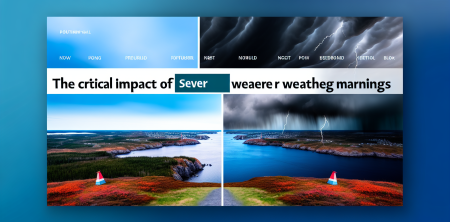
As the Atlantic provinces brace for an unseasonable storm, severe weather warnings for Newfoundland and Nova Scotia have sent ripples of urgency throughout the region. Environment Canada's weather service has issued these alerts for areas including Gander, NL, as well as Dartmouth and Truro, NS, in response to the unexpected onslaught of heavy precipitation and high winds. This article delves into the implications of this early-season storm, examining the alarming conditions unfolding as of May 10, 2026.
Unprecedented Weather Patterns
Normally, mid-May in Atlantic Canada heralds the approach of warmer weather; however, this year presents a stark contrast. The early-season storm has brought with it heavy rains and winds gusting up to 80 km/h, creating a volatile mix that poses significant risks to both residents and infrastructure. The situation has been exacerbated by rapidly dropping temperatures, with wind chill factors nearing a freezing point. This sudden shift in weather patterns is troubling, highlighting the unpredictable nature of climate change.
Travel and Events Disrupted
As families across Newfoundland and Nova Scotia planned celebrations for Mother’s Day, the storm’s arrival has disrupted these cherished events. Many have found themselves hosting indoor gatherings instead of enjoying outdoor activities that typically characterize this time of year. The severe weather warnings have also led to travel advisories, making it hazardous for those attempting to venture out for celebrations or essential trips.
The Impact of Social Media
The storm’s ferocity has not only been documented through traditional media outlets but has also taken social media by storm. Over 50,000 mentions on platforms like TikTok and Twitter reflect the community's engagement during this crisis. These real-time updates have led to a surge in discussions about safety, emergency preparedness, and evacuations in low-lying areas.
Evacuations and Power Outages
In response to the severe weather warnings, evacuations have been mandated in various low-lying regions where flooding risks are heightened. Residents are urged to heed these warnings seriously, as safety must be the primary concern. Furthermore, the storm has caused power outages affecting over 10,000 homes, leaving many without electricity during a tumultuous time. Utility companies are mobilizing resources to restore power, but the hazardous conditions pose challenges for repair crews trying to work safely amidst high winds and heavy rain.
Understanding Severe Weather Warnings
Severe weather warnings serve as crucial alerts for communities at risk. Environment Canada’s decision to issue these alerts reflects a commitment to public safety and underscores the need for timely information during severe weather events. It is essential for residents to stay informed through reliable sources and to prepare for potential impacts.
What to Do During Severe Weather
- Stay Informed: Regularly check weather updates from Environment Canada and local news outlets.
- Have an Emergency Kit: Prepare a kit with essentials such as water, non-perishable food, medications, and a flashlight.
- Plan for Power Outages: Charge devices in advance and have a backup plan for heating, especially in colder temperatures.
- Heed Evacuation Orders: If authorities advise evacuations, take them seriously and follow the recommended routes.
The Role of Climate Change
This unseasonal storm is a stark reminder of the changing climate patterns that have become increasingly prevalent in recent years. Experts warn that climate change contributes to more extreme weather events, including storms that are more intense and unpredictable. As such, residents of Newfoundland and Nova Scotia must brace for a future where severe weather warnings may become more frequent.
The Future of Weather Preparedness
As the region adapts to these changes, the importance of preparedness cannot be overstated. Communities need to engage in regular drills, education on emergency responses, and discussions about infrastructural improvements to mitigate the risks associated with severe weather.
Community Response and Resilience
The response from local communities has been commendable in the face of adversity. Neighbors are helping each other, sharing resources, and checking in on vulnerable populations. This spirit of collaboration is crucial during times of crisis, demonstrating resilience in the face of unexpected challenges.
Lessons Learned from Past Storms
Looking back at previous storms can offer valuable insights into how to better prepare for future events. Analyzing data from past severe weather warnings in Newfoundland and Nova Scotia can help communities understand which areas are most at risk and what measures can be taken to bolster safety for residents.
Final Thoughts: Staying Safe Amidst Severe Weather Warnings
The current situation serves as a critical reminder of the unpredictable nature of our climate and the importance of remaining vigilant. Severe weather warnings in Newfoundland and Nova Scotia should inspire proactive measures among residents. As we navigate this storm, staying informed, prepared, and connected with our communities will be vital in ensuring safety and resilience.
In conclusion, as the storm continues to unfold, it is essential for everyone in affected areas to prioritize safety and heed the severe weather warnings. By staying alert and taking necessary precautions, we can mitigate the impacts of such extreme weather events and protect our communities.

