```html
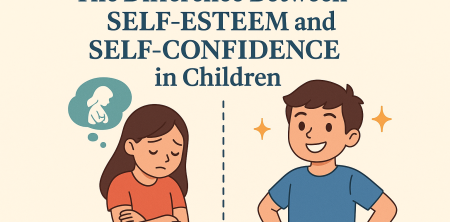
When it comes to raising children, two concepts often come up in conversation: self-esteem and self-confidence. Though they may seem similar, understanding the differences between self-esteem vs self-confidence in children is crucial for fostering their emotional and psychological well-being. This article will explore these differences in depth, revealing how they impact children’s development, behavior, and ultimately, their happiness.
What is Self-Esteem?
Self-esteem refers to the overall sense of personal value or self-worth that a child feels about themselves. It's about how they perceive their abilities, characteristics, and worth as an individual. Children with high self-esteem view themselves positively; they believe they can achieve their goals and deserve happiness and success. Conversely, children with low self-esteem often struggle with feelings of inadequacy and self-doubt.
Self-esteem is typically shaped by various factors, including:
- Parental Influence: Parents play a significant role in shaping a child's self-esteem through their feedback, support, and unconditional love.
- Social Interactions: Experiences with peers, teachers, and other figures can either bolster or undermine a child’s self-esteem.
- Achievements: Successes and failures in academic, athletic, or social domains contribute to how children evaluate themselves.
What is Self-Confidence?
Self-confidence, on the other hand, is more focused on a child's belief in their abilities to succeed in specific situations or tasks. It is context-dependent, meaning a child might feel confident in sports but not in academic scenarios. Self-confidence can be cultivated through practice, experience, and encouragement.
Key aspects that influence self-confidence include:
- Skill Development: Gaining skills through practice makes children feel more capable.
- Positive Reinforcement: Encouragement and recognition from parents and teachers can boost a child’s belief in their abilities.
- Overcoming Challenges: Successfully navigating obstacles can enhance a child's confidence.
The Important Distinction
The primary distinction between self-esteem vs self-confidence in children lies in their broader implications. Self-esteem is about how children feel about themselves and their worth, while self-confidence is about their beliefs regarding their abilities in specific areas. Essentially, self-esteem is an internal perception, while self-confidence often manifests in external actions.
For example, a child might have high self-esteem, believing they are a valuable person, yet still lack confidence when it comes to public speaking. Conversely, a child might be very self-confident in sports but struggle with feelings of low self-worth.
How They Interact
Although self-esteem and self-confidence are distinct, they interact in ways that can significantly impact a child's overall development. High self-esteem can contribute to greater self-confidence, as children who feel good about themselves are more likely to take on challenges and believe they can succeed. On the flip side, experiencing success can enhance self-esteem, creating a positive feedback loop.
However, it's important to note that a lack of self-confidence can lead to lower self-esteem. If a child repeatedly faces failure in a specific area, it may negatively affect their view of themselves as a whole. Therefore, nurturing both aspects is essential for a child's overall health and development.
Practical Strategies for Parents
Now that we understand the differences and interactions between self-esteem and self-confidence, how can parents foster both in their children? Here are proven strategies: (See: Mental health resources for children.)
- Provide Unconditional Support: Show love and support regardless of achievements. This helps children feel valued.
- Encourage Skill Development: Help children develop skills in various areas without undue pressure to excel. This creates opportunities for confidence-building experiences.
- Set Realistic Goals: Guide children in setting achievable goals to help them experience success and build self-confidence.
- Celebrate Effort, Not Just Outcomes: Teach children that effort is valuable, not just the final result; this encourages a growth mindset.
- Model Healthy Self-Esteem and Confidence: Be a role model. Demonstrate positive self-talk and resilience in facing challenges.
The Role of Schools
Schools play a crucial role in shaping a child's self-esteem and self-confidence. Teachers can create an environment that fosters emotional growth by recognizing achievements, promoting collaboration, and providing constructive feedback. Here are ways schools can help:
- Inclusive Practices: Ensuring all students feel included and valued boosts self-esteem.
- Encouragement of Effort: Praising effort over innate ability promotes a growth mindset.
- Providing Opportunities: Offering varied extracurricular activities allows children to discover and develop new skills.
The Impact of Social Media
In today’s digital landscape, social media has become a powerful influencer on children’s self-esteem and self-confidence. Platforms like Instagram and TikTok can have both positive and negative effects. On one hand, they can provide social validation and a sense of community; on the other hand, they can expose children to unrealistic comparisons and cyberbullying.
Parents should engage in open discussions about social media use, helping children understand the curated nature of online personas. Encourage critical thinking about the content they consume and its impact on their self-worth and confidence.
Recognizing the Signs
It’s essential for parents and educators to recognize the signs of low self-esteem and self-confidence in children. Some common indicators include:
- Withdrawal from social situations
- Reluctance to try new activities
- Overly critical of themselves or others
- Difficulty accepting compliments
- Excessive worry about failure
If you notice these signs, it’s vital to address them early on. Open conversations about feelings and experiences can help children explore their emotions and work through any negative perceptions.
The Long-Term Effects
The impact of self-esteem and self-confidence in childhood can last a lifetime. Children who grow up with high self-esteem are more likely to have positive relationships, succeed academically, and handle challenges more resiliently as adults. Conversely, those with low self-esteem may struggle with mental health issues, such as anxiety and depression, later in life.
By fostering both self-esteem and self-confidence, parents and educators can equip children with the tools they need to navigate life's challenges effectively, promoting a healthier and more fulfilling adulthood.
Common Misconceptions About Self-Esteem and Self-Confidence
Despite the awareness of self-esteem and self-confidence, many misconceptions persist. Understanding these can help clarify what parents and educators are trying to achieve in nurturing children.
- Misconception 1: Self-Esteem and Self-Confidence Are the Same: While intertwined, they have distinct characteristics. Self-esteem relates to value, while self-confidence relates to skill.
- Misconception 2: High Self-Esteem Is Always Good: Excessive self-esteem can lead to arrogance or entitlement. It's important to balance it with humility and awareness of limitations.
- Misconception 3: Self-Confidence Is Only About Success: Confidence can also come from learning through failure and resilience. Children need to understand that setbacks are part of growth.
Strategies for Building Self-Esteem and Self-Confidence
Building self-esteem and self-confidence is not a one-time effort; it requires consistent strategies and approaches. Here are some effective long-term strategies:
- Encourage Independence: Allow children to make choices and decisions appropriate for their age. This promotes a sense of ownership over their lives and builds self-trust.
- Teach Problem-Solving Skills: Equip children with the tools to tackle challenges independently. This can help them feel more capable and confident in their decision-making.
- Promote Positive Relationships: Encourage friendships that are supportive and nurturing. Healthy social connections contribute to self-worth.
- Engage in Mindfulness Practices: Activities like yoga or meditation can help children develop self-awareness and self-acceptance, fostering both self-esteem and self-confidence.
Expert Perspectives on Self-Esteem and Self-Confidence
Experts in child psychology often emphasize the importance of differentiating between self-esteem and self-confidence. Dr. Lisa Firestone, a clinical psychologist, notes that while both are essential, fostering a healthy self-esteem should come first. She argues that children with high self-esteem are more likely to take risks and explore new challenges, leading to the development of self-confidence.
Furthermore, educational psychologist Dr. Barbara Greenberg states, “Confidence comes from competence. Children need to have opportunities to practice skills and receive constructive feedback, which helps them build both confidence and a sense of self-worth.” This shows that the journey of instilling self-esteem and self-confidence is interconnected and should be approached holistically. (See: NIH insights on self-esteem development.)
Statistics on Self-Esteem and Self-Confidence in Children
Research has shown significant statistics that shed light on the current state of self-esteem and self-confidence among children. A 2020 survey revealed that approximately 70% of children aged 8-12 reported feeling self-confident in their abilities, while only 40% felt good about their self-image. This illustrates that while many children are confident in what they can do, there’s a notable gap in how they view themselves overall.
Moreover, a longitudinal study published in the Journal of Child Psychology found that children with low self-esteem are 3 times more likely to experience mental health issues, including depression and anxiety, compared to those with higher self-esteem levels. These findings underscore the importance of fostering both self-esteem and self-confidence from an early age.
FAQ Section
What are the key differences between self-esteem and self-confidence?
Self-esteem relates to how a child values themselves overall, whereas self-confidence is specific to their belief in their abilities in particular tasks or situations.
Can a child have high self-esteem but low self-confidence?
Yes, it's entirely possible. A child may feel they are a valuable person and worthy of love but might lack confidence in certain skills, like public speaking or sports.
How can I help my child build self-confidence?
Encourage them to try new activities, praise their efforts, and help them set achievable goals. Providing opportunities for skill development and allowing them to experience both success and failure is vital.
Is social media harmful to children's self-esteem?
It can be. Exposure to idealized images and cyberbullying can negatively impact self-esteem. Open conversations about social media's effects can help children navigate these challenges.
What if my child shows signs of low self-esteem?
Open communication is key. Talk to your child about their feelings and experiences, encourage them to express themselves, and consider seeking guidance from a mental health professional if necessary.
Understanding Cultural Influences on Self-Esteem and Self-Confidence
It's essential to recognize that cultural factors play a significant role in shaping children's self-esteem and self-confidence. Different cultures have varying expectations and definitions of success, which can influence how children perceive themselves. For instance, in collectivist cultures, where community and family play a central role, success might be measured more by group achievements than by individual accomplishments. This can lead to children feeling less self-confident if they don't meet communal expectations.
On the other hand, in individualistic cultures, children may be encouraged to pursue personal goals, which can enhance self-confidence but also lead to pressure to succeed. Understanding these cultural contexts can help parents and educators better support children as they navigate their self-esteem and self-confidence.
The Role of Gender in Self-Esteem and Self-Confidence
Research indicates that gender can also impact self-esteem and self-confidence in children. Studies show that girls often struggle more with self-esteem issues than boys, partly due to societal pressures and stereotypes. Girls may feel more pressure to conform to beauty standards or to be nurturing and accommodating, which can undermine their sense of self-worth.
Boys, on the other hand, may be socialized to prioritize achievement and competitiveness, which can boost self-confidence in specific areas but may also lead to anxiety when they don't meet expectations. Recognizing these gender-specific challenges can help parents and educators provide more tailored support to both boys and girls.
Encouraging Emotional Intelligence as a Tool for Building Self-Esteem and Self-Confidence
Emotional intelligence (EI) is another crucial aspect that contributes to self-esteem and self-confidence in children. Helping children understand their emotions, recognize the feelings of others, and develop empathy can enhance their social interactions and self-perception. Children with high emotional intelligence are often better equipped to handle relationships, navigate conflicts, and express their needs, all of which contribute to better self-esteem and confidence.
Parents can foster emotional intelligence by encouraging open discussions about feelings, practicing active listening, and modeling empathetic behavior. Teaching children to label their emotions and understand the difference between feelings can empower them to manage their emotional states more effectively.
Longitudinal Studies on Self-Esteem and Self-Confidence Development
A number of longitudinal studies have tracked the development of self-esteem and self-confidence from childhood into adolescence and adulthood. These studies often reveal that early interventions can lead to lifelong benefits. For example, a study published in the Journal of Adolescence found that children who received consistent emotional support in their formative years were significantly more likely to report high self-esteem and self-confidence during their teenage years.
Another study indicated that children who participated in structured extracurricular activities, such as team sports or club organizations, showed improved self-esteem and self-confidence as they learned skills, built friendships, and faced new challenges outside the classroom. These findings reinforce the importance of providing a supportive environment and diverse opportunities for growth.
The Path Forward
Understanding the nuances of self-esteem vs self-confidence in children is essential for parents and educators aiming to nurture well-rounded individuals. By implementing effective strategies, being aware of the influences of social media, and recognizing the signs of low self-worth, we can help children build a solid foundation for a successful life. Ultimately, both self-esteem and self-confidence are vital components of personal development, and their interplay holds vast potential for shaping tomorrow’s leaders.
Conclusion
Building self-esteem and self-confidence in children is an ongoing process that requires dedication and attention to various influencing factors, including cultural context, gender, and emotional intelligence. By fostering a nurturing environment and providing opportunities for growth, parents and educators can empower children to develop a healthy sense of self-worth and the confidence to pursue their dreams. Balancing both self-esteem and self-confidence will equip children with the tools they need to navigate life's challenges effectively, promoting a healthier and more fulfilling adulthood.
```
Trending Now
- our breakdown of unlocking opportunities: why the senior ai engineer education role at a.team matters
- this guide on official vs. unofficial transcript: what’s the difference?
- What Is Developmentally Appropriate Practice? NAEYC…
- this guide on how to improve your high school transcript before college applications
Frequently Asked Questions
What is the difference between self-esteem and self-confidence in children?
Self-esteem refers to a child's overall sense of self-worth, while self-confidence is the belief in their abilities to succeed in specific tasks. Self-esteem is influenced by factors like parental support and social interactions, whereas self-confidence is shaped by experiences and skill development.
How can parents boost their child's self-esteem?
Parents can enhance their child's self-esteem by providing unconditional love, positive feedback, and recognition of their achievements. Encouraging open communication and supporting their interests also helps children develop a positive self-image.
What factors affect a child's self-confidence?
A child's self-confidence can be influenced by skill development through practice, positive reinforcement from parents and teachers, and their experiences in various situations. Successes in specific areas can boost their confidence, while failures may diminish it.
Why is self-esteem important for children?
Self-esteem is crucial for children as it impacts their emotional well-being, behavior, and overall happiness. High self-esteem helps children face challenges with resilience, while low self-esteem can lead to feelings of inadequacy and self-doubt.
Can self-confidence change over time in children?
Yes, self-confidence can change as children grow and gain new experiences. It can be enhanced through practice, encouragement, and overcoming challenges, but setbacks can also affect their confidence levels in specific areas.
What's your take on this? Share your thoughts in the comments below — we read every one.

