```html
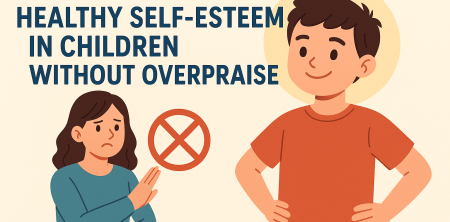
Fostering healthy self-esteem in children is one of the most vital roles of a parent or caregiver. It lays the groundwork for a child's emotional and psychological development, influencing their ability to navigate challenges, form relationships, and succeed academically. However, there is a delicate balance to maintain; too much praise can be detrimental. In this article, we’ll explore ten powerful strategies to nurture self-esteem in children without falling into the trap of overpraise.
1. Understand the Importance of Self-Esteem
Before implementing strategies to build healthy self-esteem, it's essential to grasp why it matters. Self-esteem reflects how children perceive themselves and their worth. Children with a strong sense of self-esteem are generally more resilient, better problem solvers, and capable of building healthy relationships. They’re not just more likely to succeed academically; they also develop into well-adjusted adults. Research shows that self-esteem is linked to mental health outcomes, making it a key focus for anyone involved in a child’s upbringing.
Low self-esteem can lead to various issues, including anxiety, depression, and social withdrawal. Therefore, addressing self-esteem proactively helps prevent these complications. If parents and educators can create an environment that promotes healthy self-esteem, they can significantly enhance a child's overall quality of life.
2. Encourage Independence Through Age-Appropriate Challenges
One of the most effective ways to build self-esteem is by allowing children to face and overcome challenges. When kids tackle tasks that are appropriately difficult, they learn to rely on their abilities. This process fosters a sense of competence. For instance, a toddler learning to dress themselves or a teenager trying out for a sports team can experience a boost in self-esteem when they succeed.
However, it's crucial to ensure that these challenges are age-appropriate. If tasks are too difficult, children may feel overwhelmed and discouraged. On the other hand, excessively easy tasks can lead to boredom and a lack of sense of achievement. Finding that perfect balance is key. Celebrate their efforts in overcoming challenges, which reinforces the message that hard work and persistence lead to success.
3. Provide Constructive Feedback Instead of Empty Praise
While it’s tempting to shower children with praise, especially for simple tasks, empty compliments can do more harm than good. Instead of saying, "You did great!" after every small achievement, offer specific, constructive feedback. For example, saying, "You did a fantastic job organizing your toys; I can see you put a lot of effort into it!" highlights their effort and process rather than providing vague praise.
This approach not only makes the praise more meaningful but also helps children understand what they did well. They learn to appreciate the journey of learning rather than just the outcome. This encourages them to continue trying new things, which is a crucial aspect of developing healthy self-esteem in children.
4. Model Healthy Self-Esteem Yourself
Children often learn by observing the adults in their lives. Therefore, modeling healthy self-esteem is essential. When parents demonstrate self-acceptance, resilience in the face of failure, and a positive self-image, children are likely to adopt similar attitudes. If they see you tackling challenges with a growth mindset, they’ll recognize that setbacks are not failures but rather opportunities for learning.
It’s also beneficial to show vulnerability. Share your own challenges and how you cope with them. This transparency helps children understand that everyone struggles and that it’s okay to ask for help. By doing so, you create an environment where children feel safe to express their feelings and struggles, fostering their self-worth in the process.
5. Encourage Social Connections
Building and maintaining friendships is crucial for children's self-esteem. Positive social interactions help children feel valued and supported. Encourage participation in group activities, whether it’s sports, clubs, or community service, where they can build relationships with peers who share their interests.
Teach children the importance of empathy and kindness in friendships. Helping them understand how to communicate effectively and resolve conflicts can boost their confidence in social situations. When children feel accepted by their peers, their self-esteem gets a significant lift, reinforcing their sense of belonging. (See: Healthy self-esteem in children.)
6. Practice Mindfulness and Emotional Awareness
Teaching children mindfulness can significantly improve their self-esteem. Mindfulness practices, like meditation or breathing exercises, help children regulate their emotions and reduce anxiety. When they understand their feelings, they can better cope with challenges and setbacks, which fosters resilience and a positive self-image.
Encouraging emotional expression is also key. Teach children to articulate their feelings, whether they feel happy, sad, or frustrated. This ability to express emotions contributes to emotional intelligence, which is closely tied to self-esteem. When children can process and communicate their feelings, they become more self-aware and confident.
7. Set Realistic Expectations
Setting expectations that are too high can lead to feelings of inadequacy if children fail to meet them. Instead, establish realistic goals tailored to their skills and interests. Help them understand that making mistakes is a natural part of the learning process and does not define their worth.
Regularly engage in discussions about their goals and dreams, and help them break down larger tasks into smaller, more manageable steps. This not only makes the tasks less daunting but also allows for a series of small successes that contribute to a greater sense of accomplishment. By doing this, you nurture healthy self-esteem in children and teach them that growth takes time and effort.
8. Emphasize Effort Over Outcome
It's vital to focus on the effort children put into their work rather than the success of the outcome. For example, if a child receives a low grade despite studying hard, praise the dedication they demonstrated in their preparation rather than simply focusing on the grade itself. This teaches them to value hard work and persistence, which are far more crucial than instant results.
By emphasizing effort, children learn that success is a journey, not a destination. It helps them develop a growth mindset, which is the belief that abilities and intelligence can be developed through dedication and hard work. This mindset is essential for building resilience and confidence in the face of challenges.
9. Provide Opportunities for Decision-Making
Allowing children to make their own choices fosters independence and reinforces their ability to impact their lives. Start with small decisions, like choosing their outfit or selecting a snack. As they grow, involve them in bigger decisions, such as planning family activities or budgeting for a project. Each decision they make builds their confidence and self-efficacy.
When children learn that their choices can lead to tangible outcomes, they begin to trust their instincts and judgment. This self-trust is a critical component of healthy self-esteem. It's important to support them in analyzing their choices, discussing what went well and what could be improved, making them feel empowered and in control of their lives.
10. Celebrate Uniqueness and Individuality
Every child is unique, and it’s important to celebrate that individuality. Encourage children to embrace their strengths and interests, even if they differ from their peers. This affirmation of their identity fosters self-acceptance and confidence. Artistic, athletic, or academic talents are just a few areas where celebrating uniqueness can boost self-esteem.
Help children explore their interests and hobbies, providing them with opportunities to express themselves in ways that resonate with them. A child who feels accepted for who they are is more likely to develop a strong sense of self-worth. This acceptance can counteract negative societal pressures and reinforce the idea that they are enough just as they are.
11. Engage in Positive Self-Talk
Teaching children about the power of positive self-talk can make a significant difference in their self-esteem. Many people unconsciously adopt negative self-talk patterns, which can be debilitating for kids. Encourage them to replace negative thoughts with positive affirmations. For instance, instead of saying, "I can't do this," they can say, "I will try my best, and that's enough." This practice builds a mental habit that fosters resilience and positivity.
Creating a family culture around positive self-talk can be beneficial. You might set a time each week to share things you appreciate about yourselves and each other. This can help children internalize the idea that self-love and acceptance are important, and they can grow to understand the impact of their words on their feelings of self-worth. (See: Building self-esteem in children.)
12. Limit Exposure to Negative Influences
In today’s digital age, children are often exposed to unrealistic standards through social media, advertisements, and even peer pressure. It's important for parents to monitor and discuss the content their children are consuming. Initiating conversations about media literacy can help children critically assess what they see and understand that online portrayals often don’t reflect reality.
Encouraging breaks from social media or setting boundaries around screen time can help children focus on real-life connections and experiences that contribute to their self-esteem. By teaching them to seek validation from their own achievements rather than external sources, you can help develop a stronger sense of self.
13. Incorporate Physical Activity
Engaging in physical activity has been shown to boost self-esteem across various age groups. Exercise releases endorphins, which are hormones that promote feelings of happiness. Encourage children to take part in sports, dance, or even just play outside. Not only does physical activity improve mood, but it also helps children develop a positive body image and a sense of accomplishment.
Regular participation in physical activities can also foster teamwork and collaboration, providing further social benefits that contribute to self-esteem. When children feel physically capable and enjoy the process, they are more likely to carry that confidence into other areas of their life.
14. Seek Professional Help When Needed
Sometimes, despite our best efforts, children may struggle with self-esteem issues that require professional support. If you notice persistent signs of low self-esteem, such as withdrawal from social situations, excessive self-criticism, or changes in behavior, it may be time to consult a mental health professional. Therapy can provide children with the tools they need to understand and improve their self-esteem.
Family therapy can also be beneficial to address any underlying dynamics that may be affecting a child's self-worth. Professional guidance can make a world of difference, offering strategies tailored to your child’s specific needs.
15. Foster a Growth Mindset
Encouraging a growth mindset—the belief that abilities can be developed through dedication and hard work—can significantly impact a child’s self-esteem. Teach children that effort and persistence are key factors in achieving success. Use language that emphasizes learning and growth, such as, "Mistakes help us learn," or "Every time we try, we get better." This kind of mindset fosters resilience and helps children embrace challenges instead of shying away from them.
To further support this, share stories of famous individuals who faced setbacks before finding success. Examples like Thomas Edison, who famously said, "I have not failed. I've just found 10,000 ways that won't work," can inspire children to persist in their endeavors.
16. Frequently Asked Questions (FAQ)
What are some early signs of low self-esteem in children?
Some early signs include excessive shyness, reluctance to try new things, frequent negative self-talk, and sensitivity to criticism. A child who often feels inadequate or compares themselves negatively to peers may also struggle with self-esteem.
How can teachers contribute to building self-esteem in children?
Teachers can play a vital role by creating a supportive classroom environment that encourages participation and values each child's contributions. Providing constructive feedback, fostering teamwork, and celebrating individual strengths are great strategies for enhancing self-esteem in students.
Can self-esteem be improved at any age?
Absolutely! While early childhood is a critical time for developing self-esteem, it's never too late to improve it. Adults can also work on their self-esteem through therapy, self-reflection, and adopting positive practices.
Are there activities that specifically help boost self-esteem?
Yes, engaging in creative pursuits like art, music, or writing can foster self-expression and confidence. Sports and team activities also encourage collaboration and provide a sense of accomplishment that boosts self-worth.
How can parents discuss self-esteem with their children?
Open conversations about feelings and self-worth are essential. Ask questions about how they perceive themselves and their experiences. Encourage them to express their thoughts and validate their feelings. This can help them feel understood and supported.
Why is self-esteem crucial during childhood?
Self-esteem is a foundational aspect of a child's development. Children with healthy self-esteem are more likely to be motivated, assertive, and resilient. They are better able to handle stress and challenges, which is vital as they grow and face increasingly complex social and academic environments.
What role do parents play in shaping self-esteem?
Parents are the first role models for children and play a significant role in shaping their self-esteem. Through their interactions, support, and responses to their child's successes and failures, parents set the tone for how children view themselves. A nurturing and encouraging environment can lead to healthier self-esteem.
How can cultural factors influence self-esteem?
Cultural norms and values can significantly shape a child's self-esteem. Different cultures may emphasize individual achievement, collectivism, or conformity, affecting how children perceive their worth. Understanding these influences can help parents and caregivers address and nurture self-esteem in a way that resonates with their child's background.
What strategies can be used to boost self-esteem in children with special needs?
For children with special needs, it’s essential to focus on their unique strengths and capabilities. Tailored approaches such as celebrating small achievements, creating an inclusive environment, and fostering peer relationships can help enhance their self-esteem. Additionally, involving them in activities that match their interests can build a sense of accomplishment.
Building healthy self-esteem in children is a multifaceted process that requires care, attention, and strategy. By implementing these strategies, parents and caregivers can create a nurturing environment where children feel valued, capable, and confident. The goal is not just to boost self-esteem but to instill a robust sense of identity and resilience that will stay with them throughout their lives.
```
Trending Now
- “How to Use Exit Tickets as Effective Formative Assessments”
- our breakdown of “why neuroscientists say learning styles theory lacks scientific evidence”
- this guide on “the bobo doll experiment explained: what it teaches about aggression and modeling”
Frequently Asked Questions
How can I help my child build self-esteem?
To help your child build self-esteem, encourage independence through age-appropriate challenges, foster resilience by allowing them to face setbacks, and promote a positive self-image through constructive feedback. Focus on their efforts rather than outcomes to cultivate a sense of competence and self-worth.
What are the signs of low self-esteem in children?
Signs of low self-esteem in children include frequent feelings of sadness, withdrawal from social interactions, excessive self-criticism, and a reluctance to try new activities. They may also exhibit anxiety or depression, making it essential for parents and caregivers to address these issues early.
Is overpraising harmful to children?
Yes, overpraising can be harmful as it may lead children to rely on external validation and develop a fear of failure. It can undermine their intrinsic motivation and ability to handle challenges. Instead, focus on providing specific, constructive feedback that encourages growth and resilience.
What activities can boost a child's self-esteem?
Activities that can boost a child's self-esteem include setting achievable goals, participating in team sports, engaging in creative arts, and encouraging problem-solving tasks. These experiences help children learn new skills, build confidence, and foster a sense of accomplishment.
How does self-esteem affect a child's development?
Self-esteem significantly impacts a child's emotional and psychological development. Children with healthy self-esteem are more resilient, better problem solvers, and capable of forming healthy relationships. They are also more likely to succeed academically and develop into well-adjusted adults.
What did we miss? Let us know in the comments and join the conversation.

