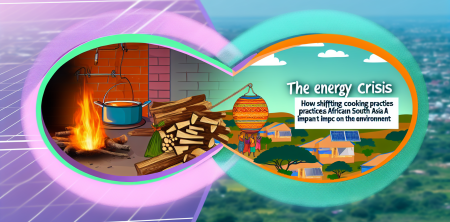
The ongoing energy crisis, exacerbated by geopolitical tensions such as the conflict in Iran, has profound implications for households in Africa and South Asia. This crisis has forced many families to revert to traditional cooking methods, specifically using charcoal and firewood, as they grapple with severe gas shortages. In cities like Nairobi, individuals are experiencing a dramatic shift in their cooking practices, leading to significant environmental consequences. This article delves into the multifaceted impacts of this energy shock, exploring its effects on kitchens, forests, and conservation efforts across these regions.
The Energy Landscape: A Shift from Clean to Traditional Fuels
As global energy supplies become increasingly strained, the reliance on cleaner cooking methods has diminished in favor of more traditional, yet environmentally detrimental, fuels. Families in Africa and South Asia are now facing stark choices as natural gas becomes scarce. For many, the return to charcoal and firewood is not just a preference but a necessity, as highlighted by individuals like Brenda Obare from Nairobi.
Brenda, like many others, finds charcoal to be a more reliable cooking source when modern fuels fall short. This shift is not merely a matter of convenience; it reflects the harsh reality of energy access in an increasingly unstable world. The repercussions of this trend extend far beyond the kitchen.
The Environmental Toll of Charcoal and Firewood Usage
The rise in charcoal and firewood usage has dire implications for the environment, particularly in regions already grappling with deforestation and land degradation. The reliance on these traditional fuels contributes significantly to the depletion of forests, undermining conservation efforts and threatening biodiversity.
Deforestation: A Growing Concern
Forests play a crucial role in maintaining ecological balance, acting as carbon sinks and habitats for countless species. However, the increasing demand for charcoal and firewood is leading to widespread deforestation. In Africa, where forest resources are already under pressure, the situation is becoming critical. As households turn to these fuels, trees are felled at alarming rates, resulting in loss of habitat and increased greenhouse gas emissions.
- Impact on Biodiversity: The destruction of forests disrupts ecosystems, threatening the survival of various plant and animal species.
- Carbon Emissions: Deforestation contributes to climate change by releasing stored carbon back into the atmosphere.
- Soil Erosion: Without trees to anchor the soil, erosion becomes rampant, leading to further degradation of land.
Health Implications of Traditional Cooking Practices
In addition to environmental consequences, reverting to charcoal and firewood poses serious health risks for households. The use of these fuels contributes to indoor air pollution, a leading cause of respiratory diseases in developing regions. Women and children, who often take on the burden of cooking, are particularly vulnerable to the harmful effects of smoke inhalation.
Indoor Air Quality and Health Risks
The World Health Organization (WHO) estimates that around 3 billion people rely on solid fuels for cooking, which can lead to significant health issues.
- Respiratory Diseases: Exposure to smoke can result in chronic obstructive pulmonary disease (COPD), pneumonia, and other serious health conditions.
- Child Health: Children exposed to indoor pollution are at a higher risk for developmental issues and acute respiratory infections.
- Gender Inequality: Women often bear the brunt of health impacts due to their primary role in cooking.
Economic Consequences and the Cycle of Poverty
The energy shock has not only ecological and health implications but also economic repercussions. As households revert to cheaper, traditional fuels, they often find themselves trapped in a cycle of poverty. The cost of charcoal and firewood can add up, while the health impacts can lead to increased medical expenses.
The Economic Burden on Households
The shift towards traditional fuels often leads to greater economic strain for families:
- Increased Fuel Costs: Even though charcoal may seem cheaper initially, the cumulative costs can be significant, especially in urban areas.
- Health Expenditures: Families may face rising healthcare costs due to illnesses caused by indoor air pollution.
- Lost Productivity: Health issues can lead to lost workdays and reduced productivity, further exacerbating economic hardships.
Conservation Efforts Under Threat
As the demand for charcoal and firewood grows, conservation efforts aimed at protecting Africa's and South Asia's forests are increasingly threatened. Organizations and governments that work tirelessly to conserve these vital ecosystems find their efforts undermined by the very practices that are meant to support local communities.
Challenges Facing Conservation Organizations
Conservation organizations are now facing numerous challenges as they attempt to mitigate the impacts of deforestation:
- Funding Shortages: With growing demands for immediate resources, funding for long-term conservation projects often takes a hit.
- Community Engagement: Encouraging communities to adopt sustainable practices becomes more difficult when immediate needs for energy are not met.
- Policy Gaps: Ineffective policies can hinder conservation efforts, making it easier for illegal logging and charcoal production to thrive.
Innovative Solutions and Future Directions
Despite the overwhelming challenges posed by the energy crisis, there are innovative solutions being explored to address the issues of energy access, environmental sustainability, and public health. These solutions aim to create a more resilient and sustainable energy landscape for households in Africa and South Asia.
Promoting Clean Cooking Technologies
To mitigate the adverse effects of traditional fuels, various organizations are advocating for the adoption of clean cooking technologies. These include:
- Improved Cookstoves: These stoves are designed to burn fuel more efficiently, reducing smoke emissions and fuel consumption.
- Biogas Systems: Utilizing organic waste to produce biogas can provide a sustainable cooking fuel alternative, decreasing reliance on charcoal.
- Solar Cooking Solutions: Solar cookers harness sunlight to cook food, offering an eco-friendly and free energy source.
Community-Led Initiatives
Engaging communities in conservation and sustainable energy practices is vital for long-term success. Grassroots movements can play a crucial role in fostering change:
- Education and Awareness: Informing communities about the benefits of sustainable practices can encourage a shift away from traditional fuels.
- Reforestation Projects: Community-led tree planting initiatives can help restore degraded forests and provide alternative fuels.
- Local Governance: Empowering local leadership to develop and enforce sustainable land use policies is essential for effective conservation.
Conclusion: Navigating the Energy Shock
The energy shock stemming from geopolitical tensions has far-reaching consequences for households in Africa and South Asia. As families revert to charcoal and firewood, the environmental impacts are becoming increasingly pronounced, threatening forest ecosystems and undermining conservation efforts. Addressing this crisis requires a multifaceted approach that considers energy access, public health, and environmental sustainability. By promoting clean cooking technologies, engaging communities, and supporting conservation initiatives, we can work towards a more sustainable energy future for these regions.
In navigating this energy shock, it is crucial to recognize the interconnectedness of energy access, environmental health, and community well-being. As we strive for solutions, we must prioritize the needs of the most vulnerable populations, ensuring that their immediate energy needs are met while also safeguarding the environment for future generations.

