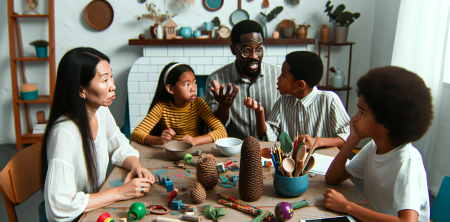
In the complex world of parenting, negotiation often becomes a daily routine. A recent study sheds light on just how much time parents dedicate to these discussions, revealing that the average parent spends around 67 hours per year engaging in arguments or negotiations with their children. This staggering figure highlights not only the challenges of parenthood but also the dynamics of communication within families.
Mealtime: The Epicenter of Family Disputes
Among various scenarios that spark debates, mealtime has emerged as the primary battleground. Whether it's convincing kids to eat their vegetables or negotiating dessert before finishing their main course, dinner tables across the globe are often filled with lively discussions—or, at times, heated arguments.
- Vegetable negotiations: Many parents find themselves in a relentless battle over greens.
- Portion sizes: Discussions about how much food is appropriate can lead to extended dialogues.
- Meal choices: Kids often have strong opinions about what they want to eat, leading to potential conflicts.
The study's findings suggest that these mealtime negotiations are not just trivial disputes; they represent a significant investment of time and energy that could be better spent on positive interactions. With an average of 1 hour and 15 minutes each week dedicated to such negotiations, parents might start to wonder if there are more effective ways to approach these situations.
The Impact of Frequent Arguments
While some parents might view these negotiations as a necessary part of parenting, the cumulative effect of frequent arguments can take a toll on family dynamics. Prolonged disputes can lead to:
- Increased stress: Constant arguing can create an atmosphere of tension within the home.
- Communication breakdown: Frequent conflicts may hinder effective communication between parents and children.
- Negative associations: Kids may begin to associate mealtimes with conflict rather than nourishment and family bonding.
Understanding the reasons behind these negotiations can help parents navigate their roles more effectively. Children often argue for a variety of reasons, including:
- Independence: As children grow, they seek to assert their autonomy, leading to clashes with parental authority.
- Preference: Kids may have specific likes and dislikes, making them resistant to certain foods.
- Social influences: Peer opinions can shape a child's perspective on food, leading to conflicts at home.
Strategies to Reduce Family Arguments
While it may be impossible to eliminate disputes entirely, parents can adopt strategies to minimize arguments and foster a more harmonious family environment. Here are several effective approaches:
- Involve Kids in Meal Planning: Allowing children to participate in choosing meals can give them a sense of control and reduce resistance.
- Set Clear Expectations: Establishing rules about mealtime behavior and expectations can help prevent misunderstandings.
- Use Positive Reinforcement: Instead of focusing solely on what kids shouldn’t do, praise them for making healthy choices or trying new foods.
- Offer Choices: Providing options within a structured framework (e.g., “Would you prefer broccoli or carrots?”) can empower children while still guiding their choices.
- Make Mealtimes Fun: Engaging in creative activities, such as themed dinners or cooking together, can turn mealtime into a more enjoyable experience.
The Bigger Picture: Emphasizing Connection
Ultimately, the goal of parenting is to foster a strong, healthy relationship with children. While arguments may be a natural part of this journey, focusing on connection rather than conflict can lead to a more positive family atmosphere. Parents are encouraged to:
- Practice Active Listening: Show genuine interest in what children have to say during discussions.
- Stay Calm and Composed: Maintaining a level head during disagreements can set a positive example for children.
- Prioritize Quality Time: Engage in activities that strengthen familial bonds and reduce the likelihood of arguments.
As parents navigate the complexities of raising children, understanding the dynamics of negotiation and conflict can pave the way for more constructive interactions. By acknowledging the time spent in arguments and proactively seeking to improve communication, families can transform mealtime from a battleground into a cherished gathering.

