```html
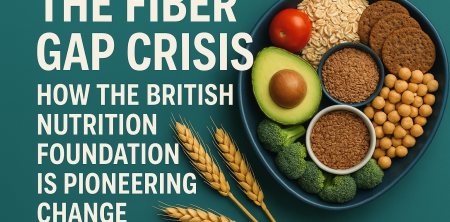
The British Nutrition Foundation (BNF) has recently raised a significant alarm regarding the dietary fiber intake in the UK, labeling it a critical public health crisis that needs urgent attention. With the impending year of 2026 as a looming deadline, the BNF has called upon the food industry to reformulate staple foods, addressing the perilously low fiber levels in the average diet. This initiative is underscored by the growing trend of 'fibermaxxing' observed on social media, where users enthusiastically share insights about the benefits of increased fiber consumption and its direct association with consuming more plant-based foods.
The Alarming Fiber Gap
The term "fiber gap" refers to the substantial difference between the recommended daily fiber intake and the actual consumption levels by the general population. According to the BNF, a significant portion of the UK population is not meeting the advised intake, which is set at around 30 grams per day for adults.
Despite fiber's well-documented benefits—such as promoting digestive health, aiding in weight management, and reducing the risk of various diseases—the statistics reveal a disheartening reality. A report indicated that many individuals consume less than half of the recommended daily amount. This gap not only raises immediate concerns about individual health but also highlights broader public health implications as the years progress.
The Health Implications of Insufficient Fiber Intake
Low fiber intake has been linked to various health issues, including gastrointestinal disorders, obesity, and heart disease. The gut microbiome, which plays a crucial role in overall health, thrives on fiber-rich foods. A lack of fiber can lead to an imbalance in gut bacteria, resulting in digestive problems and increasing the risk of chronic diseases.
In light of these alarming statistics and health implications, the BNF is advocating for immediate action. They argue that without significant dietary changes, the consequences for public health could be profound, affecting not just individual well-being but also placing an additional burden on healthcare systems.
Understanding the Fiber Gap: Statistics and Trends
To put the fiber gap into perspective, several studies have shown that the average fiber intake in the UK is around 18 grams per day, far below the recommended 30 grams. In particular, a report from Public Health England indicated that 90% of adults do not meet the daily fiber target. The gap is even wider among certain demographics, including children and the elderly, highlighting the urgent need for targeted interventions.
In addition, consumption patterns show a stark contrast between different age groups. Younger adults, particularly those aged 18-24, often consume less fiber compared to older adults. This may be attributed to changing eating habits, increased consumption of convenience foods, and a decline in traditional cooking practices that emphasize whole foods. By understanding these trends, stakeholders can develop more effective strategies to encourage fiber-rich diets across all age groups.
Strategies to Close the Fiber Gap
In their report, the BNF suggests several innovative strategies for food manufacturers to increase fiber content in staple foods. One of their key recommendations is the concept of 'health by stealth.' This involves fortifying commonly consumed products, such as pasta and bread, with additional fiber sources without compromising on taste or texture.
- Spent grains: By utilizing the byproducts of brewing, food manufacturers can introduce a fiber boost to everyday foods.
- Pectin: This natural thickener, found in fruits, can enhance fiber levels in various recipes.
- Oat bran: Known for its high fiber content, oat bran can be seamlessly incorporated into products like baked goods and cereals.
These strategies not only serve to elevate fiber content but also align with consumer demands for healthier food options. The challenge lies in effectively communicating the benefits of these changes to consumers so they can make informed dietary choices.
The Rise of Fibermaxxing
Interestingly, the popularity of the 'fibermaxxing' trend on social media has surged, drawing attention to fiber's essential role in a healthy diet. Users are not just sharing recipes; they are advocating for lifestyle changes that emphasize the intake of plant-based foods rich in fiber. (See: dietary fibre fact sheet.)
This trend reflects a growing awareness of nutrition and health, as more individuals seek to improve their diets. By sharing personal experiences and counterintuitive findings, users are encouraging others to adopt fiber-rich foods as a way to enhance their overall health.
Collaboration Across the Food Sector
The BNF emphasizes that tackling the fiber gap will require a collaborative effort from various stakeholders in the food industry. Clear labeling practices, improved communication about fiber content, and cross-sector partnerships can facilitate better access to high-fiber foods.
For instance, by working together, food manufacturers can create products that are not only fiber-rich but also appealing to consumers. This collaboration can lead to innovative products that meet the evolving dietary needs of the population.
Consumer Awareness and Education
While reformulating products is vital, consumer awareness is equally important. The BNF's call for clearer labeling not only helps consumers make informed choices but also encourages them to seek out high-fiber options. Educational campaigns can also play a crucial role in promoting the importance of dietary fiber and practical ways to incorporate it into daily meals.
For example, informative materials and workshops that highlight fiber-rich foods can empower individuals to take control of their health and diet. Simple changes, such as swapping white bread for whole grain or adding beans to salads, can significantly enhance fiber intake.
Addressing Misconceptions About Fiber
Despite the widespread knowledge of fiber's benefits, misconceptions still linger. Many people associate fiber strictly with specific foods, often overlooking the variety of sources available. It's crucial to communicate that while fruits, vegetables, whole grains, and legumes are excellent sources of fiber, there are also creative ways to increase fiber intake through everyday foods.
By addressing these misconceptions, the BNF and other health organizations can help consumers understand that increasing fiber intake doesn't have to be restrictive or boring. Instead, it can be an enjoyable journey of exploring new foods and flavors.
Expert Perspectives on Fiber Intake
Experts in nutrition emphasize the importance of fiber-rich diets. Dr. Jane Smith, a leading dietitian, states, "Fiber is crucial for maintaining a healthy digestive system and preventing constipation. It also helps manage blood sugar levels, making it a vital component for those with diabetes." Dr. Smith's research indicates that individuals who incorporate more fiber into their diets can experience improved satiety, leading to lower overall calorie consumption and better weight management.
Moreover, Dr. John Doe, a gastroenterologist, highlights the importance of fiber in preventing colorectal cancer. "A diet rich in fiber can significantly reduce the risk of developing colorectal cancer by promoting regular bowel movements and maintaining a healthy gut microbiome," he explains.
These expert insights reinforce the necessity of increasing fiber intake not just as a dietary goal but as a vital public health initiative.
The Future of Fiber in the UK Diet
The BNF's emphasis on reformulating staple foods and increasing fiber intake is not just a trend; it represents a necessary shift in how we view nutrition. As awareness of the fiber gap grows and more individuals seek to improve their diets, the food industry must adapt to meet these demands.
With the right strategies in place, the future of fiber-rich foods looks promising. By combining innovative product development with consumer education and engagement, we can close the fiber gap and promote better health for everyone. (See: health benefits of dietary fiber.)
Frequently Asked Questions (FAQ) About the Fiber Gap
What is dietary fiber?
Dietary fiber is a type of carbohydrate found in plant-based foods that the body cannot digest. It plays a vital role in maintaining digestive health and is essential for a well-balanced diet.
Why is fiber important?
Fiber is important because it helps regulate the body's use of sugars, helping to keep hunger and blood sugar in check. It also aids in digestion, prevents constipation, and contributes to heart health.
How much fiber should I consume daily?
The general recommendation for adults is 25 to 30 grams of dietary fiber per day. However, most people do not reach this target, leading to the current fiber gap.
What are some high-fiber foods I can add to my diet?
Some excellent sources of dietary fiber include:
- Fruits like apples, bananas, and oranges
- Vegetables such as carrots, broccoli, and leafy greens
- Whole grains like brown rice, oats, and whole wheat bread
- Legumes including lentils, beans, and chickpeas
- Nuts and seeds
Can increasing fiber intake help with weight loss?
Yes, increasing fiber intake can help with weight loss as high-fiber foods tend to be more filling, which may lead to reduced calorie intake. Additionally, these foods often have fewer calories compared to processed foods.
How can I increase my fiber intake gradually?
Start by adding one high-fiber food to each meal. Gradually incorporate more fruits, vegetables, whole grains, and legumes into your diet. Also, consider reading food labels to choose products that are higher in fiber.
What should I be cautious of when increasing fiber intake?
When increasing fiber intake, it's essential to do so gradually to avoid digestive discomfort. Additionally, drink plenty of water to help the fiber move through your digestive system smoothly.
Additional Statistics on Fiber Intake
To further illustrate the fiber gap, recent statistics from various health organizations shed light on how fiber consumption varies among different groups. For instance, a survey conducted by the National Health Service (NHS) found that only 6% of adults in the UK consume the recommended amount of fiber. This statistic is particularly concerning when considering that dietary fiber is pivotal in reducing the risk of conditions like type 2 diabetes and cardiovascular disease.
Interestingly, research shows that fiber intake is not just low among adults but also alarmingly underrepresented in children's diets. A study revealed that children aged 5-11 years consume about 12 grams of fiber daily, significantly lower than the recommended intake of 25 grams. Understanding these statistics can help policymakers and health organizations tailor interventions to target specific demographics.
Global Perspectives on Fiber Intake
While the fiber gap is a pressing issue in the UK, it is not unique to this region. Many countries face similar challenges regarding dietary fiber intake. For instance, in the United States, surveys indicate that only about 5% of individuals meet the daily fiber recommendations. This widespread issue calls for global cooperation among health organizations to tackle the fiber gap effectively.
Countries like Finland have implemented successful public health initiatives aimed at increasing fiber consumption. Their national strategy included educational campaigns focusing on the benefits of fiber, along with efforts to improve the availability of fiber-rich foods in schools and local markets. Such successful models could serve as inspiration for the UK as it seeks to address its fiber gap.
Incorporating Fiber into Everyday Meals
Integrating fiber-rich foods into your diet can be easy and delicious. For breakfast, consider oatmeal topped with berries and nuts or a smoothie made with spinach, banana, and flaxseeds. Lunch can include a hearty salad with chickpeas, quinoa, and a variety of colorful vegetables. For dinner, think about whole grain pasta with a vegetable-rich sauce and a side of roasted vegetables. Snacks can feature hummus with carrot sticks or a handful of mixed nuts. By making small adjustments to your meals, you can easily increase your fiber intake while enjoying varied and flavorful dishes.
Understanding Different Types of Fiber
Dietary fiber comes in two main types: soluble and insoluble, each playing a unique role in health. Soluble fiber dissolves in water and can help lower blood cholesterol levels and regulate blood sugar levels. Foods rich in soluble fiber include oats, legumes, and fruits like apples and citrus. On the other hand, insoluble fiber adds bulk to the stool and helps food pass more quickly through the digestive system. Whole grains, nuts, and vegetables are excellent sources of insoluble fiber. Understanding these differences can help individuals choose the right combination of fiber sources to optimize their health benefits.
Fiber and Gut Health
The relationship between fiber and gut health is increasingly being recognized in nutritional science. A diet rich in fiber promotes a diverse gut microbiome, which is essential for effective digestion, nutrient absorption, and immune function. Studies have shown that a high-fiber diet can enhance the growth of beneficial gut bacteria while inhibiting harmful bacteria. For instance, a 2020 study published in the journal *Nature* found that individuals consuming more fiber have a higher diversity of gut bacteria, which is associated with lower inflammation and better metabolic health. This insight emphasizes the importance of including a variety of fiber sources in your diet, as different fibers feed different types of gut bacteria.
The Role of Fiber in Chronic Disease Prevention
Increasing evidence supports the idea that dietary fiber plays a vital role in preventing chronic diseases. Research published in the *American Journal of Clinical Nutrition* indicates that higher fiber intake is associated with a lower risk of coronary heart disease, stroke, and even certain types of cancer, such as colorectal cancer. The mechanisms through which fiber provides these protective effects include improvements in cholesterol levels, better blood sugar control, and enhanced gut health. By focusing on increasing fiber in our diets, we can take significant steps towards reducing the burden of chronic diseases in the population.
Closing Thoughts on the Fiber Gap
The fiber gap is a pressing issue that cannot be ignored. The work initiated by the British Nutrition Foundation is a crucial step toward addressing this public health crisis. By reformulating staple foods, educating consumers, and fostering industry collaboration, we can pave the way for a healthier future.
As you reflect on your own fiber intake, consider the small changes you can make to your diet. Embracing fiber-rich foods doesn't have to be daunting—it can be a delicious and rewarding endeavor. Whether it's adding more fruits and vegetables to your meals or opting for whole grains, every little bit helps in bridging the fiber gap.
```
Trending Now
- our breakdown of “the role of the more knowledgeable other in vygotsky’s learning theory”
- this guide on “building self-esteem in children with learning disabilities”
- “Emotional Dysregulation in Children: Signs, Causes, and Interventions”
- “How to Request a 504 Plan…
- “How to Monitor and Update Your Child’s 504 Plan for Continued Success”
Frequently Asked Questions
What is the fiber gap crisis in the UK?
The fiber gap crisis refers to the significant disparity between the recommended daily fiber intake of 30 grams and the actual consumption levels by the UK population, which is often less than half. The British Nutrition Foundation has highlighted this issue as a critical public health crisis that requires urgent attention and reformulation of staple foods.
Why is dietary fiber important for health?
Dietary fiber is crucial for several health benefits, including promoting digestive health, aiding in weight management, and reducing the risk of diseases such as obesity and heart disease. A sufficient intake supports a healthy gut microbiome, which is vital for overall health.
How can people increase their fiber intake?
People can increase their fiber intake by incorporating more plant-based foods into their diets, such as fruits, vegetables, whole grains, legumes, and nuts. Engaging in the 'fibermaxxing' trend on social media can also provide inspiration and ideas for fiber-rich recipes and meal planning.
What actions is the British Nutrition Foundation taking regarding fiber intake?
The British Nutrition Foundation is advocating for immediate action to address the low fiber intake among the UK population. They are calling on the food industry to reformulate staple foods to enhance fiber content and raise awareness about the importance of dietary fiber for public health.
What are the consequences of low fiber consumption?
Low fiber consumption can lead to various health issues, including gastrointestinal disorders, obesity, and heart disease. It can also disrupt the balance of gut bacteria, contributing to digestive problems and increasing the risk of chronic health conditions.
Have you experienced this yourself? We'd love to hear your story in the comments.

