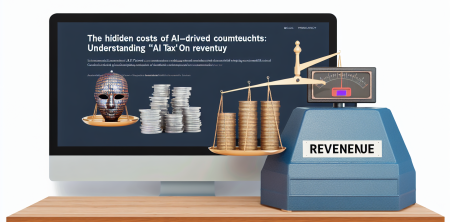
In the rapidly evolving landscape of digital commerce, brand integrity faces an unprecedented threat: AI-driven counterfeits. According to the 2026 State of Brand Integrity Report by MarqVision, these sophisticated forgeries can siphon off up to 10% of annual revenue from legitimate brands, particularly in sectors like fashion, electronics, health, beauty, and consumer goods. This alarming trend has been dubbed the "AI tax," reflecting the hidden costs brands incur as they grapple with counterfeit products that leverage viral moments to mislead consumers.
The Rise of AI Counterfeits
As artificial intelligence continues to enhance its capabilities, counterfeiters are increasingly leveraging these technologies to produce products that closely resemble legitimate goods. The MarqVision report, which surveyed 96 U.S. brands with revenues exceeding $10 million, highlights a critical issue: while AI enables the rapid production and dissemination of counterfeit goods, many brands are lagging in their response strategies.
The Revenue Impact
AI counterfeits are not just a nuisance; they pose a significant financial threat. The report reveals that only half of the surveyed companies have implemented revenue-focused protection measures against counterfeiting. This lack of proactive strategies is concerning, especially when 85% of respondents acknowledged the need for enforcement mechanisms that prioritize revenue preservation.
Mark Lee, CEO of MarqVision, emphasizes that brands often focus on removing counterfeit listings instead of assessing the impact on their revenue. "Many companies are caught up in the takedown process without measuring how much they are losing in sales and customer trust," he notes. This oversight can lead to a misalignment between brand protection efforts and actual financial outcomes.
Understanding the 'AI Tax'
The term "AI tax" encapsulates the financial burden that comes with the proliferation of AI-generated counterfeits. As these forgeries become more sophisticated, they not only confuse consumers but also erode brand loyalty and trust. When customers unknowingly purchase counterfeit products, it can lead to negative perceptions of the brand, further impacting sales.
- Brand Trust: AI-generated counterfeits can damage the trust consumers have in legitimate brands, leading to long-term revenue loss.
- Sales Erosion: Brands may experience declines in sales as consumers opt for cheaper counterfeit alternatives.
- Customer Loyalty: The presence of counterfeits can diminish customer loyalty, as buyers may feel misled or dissatisfied with their purchases.
Counterfeit Takedown Strategies
While the urgency to combat counterfeiting is clear, the current strategies employed by many brands are often reactive rather than proactive. A focus on mere takedowns does not address the broader implications of counterfeiting on revenue. Instead, brands need to develop comprehensive strategies that not only remove counterfeit products but also safeguard their revenue streams.
This approach requires a shift in mindset. Brands should consider the following strategies:
- Data Analytics: Utilize data analytics to monitor market trends and identify counterfeit threats in real-time.
- Consumer Education: Invest in educating consumers about the risks associated with counterfeit products and how to identify authentic goods.
- Collaborative Efforts: Partner with other brands and organizations to create a united front against counterfeiting.
- Legal Frameworks: Strengthen legal frameworks to facilitate faster and more effective takedowns of counterfeit listings.
The Road Ahead
The challenge posed by AI-driven counterfeits is significant, but it is not insurmountable. Brands must adapt to the realities of a digital marketplace where technology is both a tool for innovation and a weapon for fraud. By prioritizing revenue-focused protection measures, companies can better shield themselves from the financial impacts of counterfeiting.
As the MarqVision report underscores, addressing the AI tax is not just about protecting intellectual property; it is about preserving the very essence of brand integrity. Brands must recognize that their survival in a competitive landscape depends on their ability to adapt to new threats and safeguard their revenue. In doing so, they can not only protect their bottom lines but also foster trust and loyalty among their customers.
In conclusion, the emergence of AI-driven counterfeits represents a significant challenge for modern brands. By acknowledging the existence of the "AI tax" and implementing proactive measures, companies can mitigate revenue loss and build a more resilient future. The time for action is now—before the costs of inaction escalate beyond what brands can afford.

