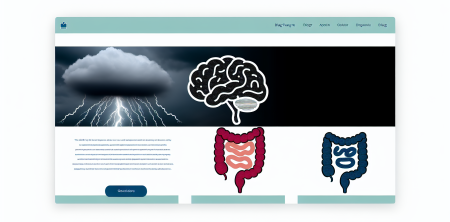
Bloating and digestive discomfort can be frustrating, especially for those who diligently follow a gut-friendly diet. Despite incorporating probiotics and consuming healthy foods, many still experience these issues. According to renowned nutritionist Nmami Agarwal, the unrecognized factor behind these persistent symptoms may be chronic stress.
Understanding the Connection Between Stress and Digestion
When the body is under stress, it enters a state known as the fight-or-flight response, which is a survival mechanism. In this state, the body's priorities shift, diverting resources away from non-essential functions like digestion. This physiological change can lead to several digestive problems, even for those who maintain a meticulous diet.
How Stress Impacts Digestive Health
Agarwal explains that when stress levels rise, the body reduces blood flow to the digestive tract. This reaction has several detrimental effects on digestion:
- Decreased digestive enzyme production
- Lower stomach acid levels
- Slowed digestion overall
As a result, individuals may experience symptoms such as bloating, gas, acidity, and other gastrointestinal discomforts. This is particularly troubling for those who consume healthy foods and probiotics, as they may feel confused about why their efforts yield no relief.
Strategies to Combat Stress-Induced Digestive Issues
Agarwal provides five effective strategies to help manage stress and its impact on digestion:
1. Start Meals Calmly
Creating a peaceful environment before meals can significantly improve digestion. Taking a few moments to breathe deeply or meditate can help shift your body out of stress mode, allowing for better absorption of nutrients and improved digestive function.
2. Incorporate Magnesium-Rich Foods
Magnesium plays a crucial role in reducing stress and promoting relaxation. Foods rich in magnesium can help support your body during stressful periods. Consider adding the following to your diet:
- Pumpkin seeds
- Spinach
- Avocados
- Black beans
- Dark chocolate
These foods not only enhance your overall nutrition but also help counteract stress-related digestive disturbances.
3. Sip on Calming Herbal Drinks
Herbal teas, such as chamomile or peppermint, can have a soothing effect on both the mind and digestive system. Taking a moment to enjoy a warm cup can signal to your body that it's time to relax, further aiding digestion.
4. Eat Slowly and Mindfully
In our fast-paced world, it’s easy to rush through meals. However, eating slowly and mindfully allows your body to focus on digestion. By chewing thoroughly and savoring each bite, you can improve digestion and reduce the likelihood of bloating.
5. Balance Blood Sugar Levels
Maintaining stable blood sugar levels is essential for managing stress and supporting digestive health. Incorporating a combination of protein, healthy fats, and fiber at each meal can help stabilize blood sugar. This balance not only fuels the body but also supports emotional well-being, reducing stress levels.
The Importance of Addressing Stress
While a perfect diet rich in probiotics, like kombucha, has its benefits, Agarwal emphasizes that it cannot fully mitigate bloating if stress is left unaddressed. Chronic stress can overshadow even the most well-rounded nutrition plans, making it crucial for individuals to recognize the importance of mental well-being in relation to physical health.
Conclusion
Understanding the connection between stress and digestion is vital for anyone experiencing bloating and discomfort despite a healthy diet. By incorporating the strategies outlined by Nmami Agarwal, individuals can take proactive steps to manage their stress levels, leading to improved digestive health. Remember, the journey to wellness encompasses both physical nutrition and mental well-being, and addressing one without the other may hinder your progress.

