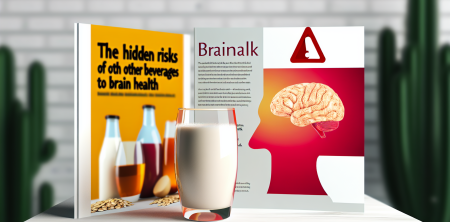
Understanding Oat Milk and Its Impact on Brain Health
As the popularity of plant-based alternatives to dairy continues to soar, oat milk has emerged as a favorite among consumers seeking a lactose-free option. However, recent insights from neuroscientist Robert Love raise important questions about the potential health implications of this trendy beverage, particularly concerning brain health.
What is Oat Milk?
Oat milk is produced by blending oats with water, resulting in a creamy liquid that is often fortified with vitamins and minerals. It is widely touted for its taste and versatility, making it a popular choice for coffee, smoothies, and cereal. But, according to Love, oat milk may not be as healthy as many believe.
The Carbohydrate Content and Insulin Response
Love emphasizes that oat milk behaves like a liquid carbohydrate, primarily due to its high carbohydrate content and lack of fiber. When consumed, it can lead to a rapid spike in insulin and blood glucose levels. Elevated insulin and glucose can trigger a range of inflammatory responses in the body, which is particularly concerning for brain health.
Inflammation: A Key Risk Factor for Alzheimer's
Chronic inflammation has been identified as a significant risk factor for Alzheimer's disease. Love warns that the inflammation caused by consuming oat milk may create an environment conducive to neurodegenerative diseases. Additionally, many commercially available oat milks contain added oils—often inflammatory in nature—which further exacerbate the issue.
Diet Soda: A Zero-Calorie Illusion
Another beverage that poses risks to brain health is diet soda. Marketed as a zero-calorie alternative to sugary drinks, diet soda may seem like a harmless choice. However, a comprehensive nine-year French study involving 100,000 participants revealed alarming statistics: those who consumed diet soda regularly exhibited a 69% higher risk of developing type 2 diabetes. This condition is not just a metabolic disorder; it has also been linked to an increased risk of cognitive decline and Alzheimer's.
The Sweetener Dilemma
Diet sodas typically contain artificial sweeteners such as aspartame and sucralose, which may alter the gut microbiome and disrupt the body's natural insulin responses. These changes can lead to insulin resistance, a precursor to type 2 diabetes and an associated risk factor for neurodegenerative diseases.
The Fruit Juice Conundrum
Fruit juice is often perceived as a healthy beverage choice, brimming with vitamins and antioxidants. However, Love points out that fruit juice can lead to rapid absorption of glucose, especially when consumed on an empty stomach. This quick spike in blood sugar can be detrimental to overall health and may contribute to the development of insulin resistance over time.
Mitigating the Risks
While fruit juice can be enjoyed in moderation, there are strategies to mitigate its negative effects. Consuming fruit juice alongside fiber-rich foods, such as nuts or vegetables, can slow down glucose absorption and help maintain stable blood sugar levels. This combination not only supports better metabolic health but also reduces the risk of inflammation.
Making Informed Beverage Choices
As consumers become more health-conscious, it is crucial to make informed choices about the beverages we consume. While oat milk, diet soda, and fruit juice may provide convenience and taste, their potential health risks should not be overlooked.
Suggestions for Healthier Alternatives
- Unsweetened Almond Milk: A low-calorie, low-carb alternative that is rich in vitamin E.
- Coconut Water: A hydrating option that provides electrolytes without the sugar spike.
- Homemade Smoothies: Blend fruits with vegetables and seeds to create nutritious beverages that maintain fiber.
Conclusion
Awareness of how our food and beverage choices impact brain health is essential in today's fast-paced world. While oat milk, diet soda, and fruit juice may seem harmless, understanding their hidden effects on our bodies can empower us to make better decisions for our long-term health. By prioritizing whole, nutrient-dense options and being mindful of sugar and inflammatory oils, we can take proactive steps to support our brain health and overall well-being.

