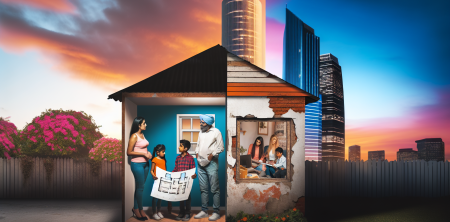
The landscape of housing affordability in the United States has reached alarming levels in 2026, with many potential homeowners feeling the pinch as mortgage rates hover around the mid-6% range. This dramatic shift in the housing market has raised significant concerns for buyers, renters, and policymakers alike.
Current Mortgage Rates: A Barrier to Homeownership
In recent years, the rise in mortgage rates has drastically inflated monthly payments for homebuyers. As rates have surged, affordability has plummeted, making it increasingly challenging for individuals and families to enter the housing market. The mid-6% mortgage rates represent a stark contrast to the historically low rates observed just a few years prior, which fueled a buying spree among potential homeowners.
Impact on Monthly Payments
The correlation between rising interest rates and monthly mortgage payments is stark. For example, a loan amount of $300,000 at a 6.5% interest rate results in a monthly payment of approximately $1,896. In comparison, a 3% interest rate on the same loan would yield a monthly payment of about $1,265, illustrating a significant increase of over $600 per month due to higher borrowing costs. This disparity places additional strain on household budgets, making it difficult for many to pursue homeownership.
Broader Market Pressures
While rising interest rates are a primary factor in the current affordability crisis, they are not the only culprit. A comprehensive analysis reveals that several broader market pressures are at play, impacting homeownership opportunities across the nation.
Supply Chain Issues and Housing Inventory
- Supply chain disruptions have led to increased construction costs, causing delays in new housing projects.
- As a result, housing inventory remains tight, keeping prices elevated.
- New constructions are not keeping pace with demand, exacerbating the affordability issue.
With fewer homes available on the market, buyers are faced with higher competition for limited properties. This situation often leads to bidding wars, further driving up prices and pushing potential buyers out of the market.
Wage Stagnation and Economic Factors
In addition to supply chain issues, wage stagnation has contributed to the affordability crisis. While home prices have surged, many individuals and families have not seen corresponding increases in their salaries. This disconnect between wages and housing costs has left many feeling priced out of the market.
The economic landscape is also affected by inflation, which has further eroded purchasing power. Rising costs on everyday necessities—such as food, gas, and healthcare—have tightened budgets, leaving less room for housing expenses.
Effects on Renters
While the focus is often on potential homebuyers, renters are also feeling the consequences of the current housing affordability crisis. As homeownership becomes less attainable, many are forced to remain in rental properties, leading to increased demand and rising rents.
- Average rental prices have surged, making it difficult for renters to save for a down payment.
- Many renters are spending a significant portion of their income on housing, limiting their ability to invest in other areas.
This cycle can perpetuate a generational struggle for financial stability, as young adults find it increasingly challenging to transition from renting to owning a home.
Potential Solutions to the Crisis
Addressing the housing affordability crisis will require concerted efforts from various stakeholders, including government agencies, private developers, and community organizations. Here are some potential solutions:
- Increased Housing Supply: Encouraging the construction of new homes, particularly affordable housing, can help alleviate inventory shortages.
- Financial Assistance Programs: Expanding down payment assistance and first-time homebuyer programs can provide crucial support for those looking to enter the market.
- Policy Reforms: Implementing zoning reforms can facilitate more efficient land use and development, increasing the availability of housing options.
Collaboration among public and private sectors will be essential to create sustainable solutions that ensure housing is accessible and affordable for all.
Conclusion
The housing affordability crisis in the U.S. is a multifaceted issue that requires urgent attention. With mortgage rates, supply chain disruptions, wage stagnation, and rising rents all contributing to the problem, potential buyers and renters are facing unprecedented challenges. As policymakers, industry leaders, and communities work together to devise comprehensive solutions, the hope remains that affordable housing can become a reality for future generations.

