```html
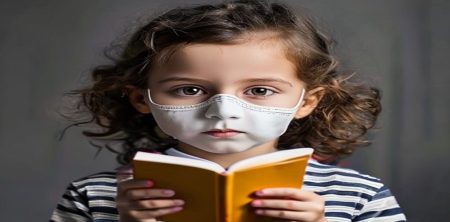
The COVID-19 pandemic has altered many aspects of daily life, and one of the most visible changes has been the widespread use of masks. While these masks serve a critical purpose in curbing the spread of the virus, they also raise significant questions about their impact on children's ability to read nonverbal communication. This article explores the complex interplay between masks and children's nonverbal communication, examining how obscured facial expressions can affect social skills, emotional development, and learning.
The Importance of Nonverbal Communication
Nonverbal communication encompasses a range of behaviors, including facial expressions, body language, gestures, and even the tone of voice. According to studies, a substantial portion of our communication—estimated to be between 60% to 90%—is nonverbal. This is especially true for children, who often rely on these cues to interpret the feelings and intentions of those around them.
For toddlers and young children, who are still developing their verbal communication skills, understanding nonverbal cues is vital. Research shows that children begin to recognize and respond to various facial expressions as early as six months old. They learn to associate smiling with happiness, frowning with displeasure, and other subtle nuances as they interact with caregivers and peers. However, when facial expressions are obscured by masks, this learning process is disrupted.
The Role of Masks in Social Interactions
Masks cover a significant portion of the face, primarily obscuring the mouth and lower facial area. This can create a barrier to understanding emotional states since many emotions are conveyed through mouth movements and expressions. For instance, a smile is often understood through the upward curve of the mouth, and a frown is recognized by frowning lips. When these features are hidden, children may struggle to identify whether a person is happy, sad, angry, or scared.
Moreover, the inability to read facial expressions can exacerbate feelings of confusion and anxiety in social situations. Many children, especially those with autism spectrum disorders or social communication difficulties, are already at a disadvantage when it comes to interpreting nonverbal cues. Masks can make it even more challenging for these children to engage in social interactions, leading to feelings of isolation and frustration.
Developmental Impacts of Mask-Wearing
The developmental implications of masks on children's communication skills are profound. During early childhood, social interaction plays a crucial role in developing cognitive and emotional skills. Children learn empathy, cooperation, and conflict resolution through interactions with peers and adults. When masks are involved, this learning is hindered.
A study conducted by researchers at the University of California found that children aged three to five displayed a decreased ability to recognize emotions when faces were masked compared to when they were fully visible. This suggests that mask-wearing during formative years may lead to long-term developmental delays in nonverbal communication skills. When children can’t read emotional cues effectively, their ability to form relationships could also be affected.
Strategies to Mitigate Communication Barriers
As schools and communities adapt to the new normal, it’s essential to find ways to mitigate the impact of masks on children's ability to read nonverbal communication. Here are some strategies:
- Use Clear Masks: Clear face masks allow for visibility of the mouth and expressions while still providing safety. This option can be particularly beneficial in educational settings.
- Emphasize Body Language: Encourage children to pay attention to body language and gestures. Educators can model exaggerated movements and expressions to help children learn emotional recognition.
- Teach Emotion Recognition: Use books, videos, or activities that focus specifically on identifying emotions through body language and tone, bypassing the need for facial expressions.
- Promote Open Communication: Create environments where children feel comfortable expressing confusion or asking questions about nonverbal cues.
- Engage in Role-Playing: Role-playing exercises can help children practice interpreting emotions and responding appropriately, reinforcing their understanding of nonverbal communication.
Current Relevance of Masks in Education
As educational institutions continue to navigate mask mandates, understanding the implications on masks and children's nonverbal communication remains critical. Teachers are on the front lines of this challenge, often adapting lesson plans to accommodate the absence of visible facial cues.
For instance, during virtual learning sessions, educators have had to rely on digital platforms where nonverbal cues are even more diluted. This scenario necessitates innovative teaching methods that prioritize verbal communication and other forms of engagement, such as interactive discussions and visual aids. Teachers are encouraged to regularly check for understanding by asking students to reflect on emotions expressed in scenarios, whether through literature or role-play. (See: CDC on masks and COVID-19.)
Parental Involvement and Support
Parents play a vital role in helping children navigate the complexities of social interactions while masked. Engaging in discussions about emotions and practicing recognition at home can reinforce what children learn in school. Parents can initiate conversations by asking open-ended questions about feelings when watching movies or reading books together.
Additionally, parents can model nonverbal communication by exaggerating facial expressions and using gestures to enhance understanding. When children observe these behaviors, they can better grasp how to interpret nonverbal cues themselves. Connecting with local community resources, including therapists or support groups, can provide parents with additional strategies to support their children.
The Long-Term Effects on Social Skills
The long-term effects of mask-wearing on children's social skills are still largely unknown. Psychological experts express concern that a prolonged reliance on masks could lead to persistent difficulties in interpreting nonverbal signals. For older children and adolescents, the stakes are even higher as they navigate more complex social dynamics, including friendships and romantic relationships.
As children grow, their ability to engage in nuanced conversations and understand social hierarchies develops. However, if the foundational skills of reading nonverbal communication are compromised, adolescents may find themselves at a disadvantage when entering the workforce or engaging in higher education settings. The ability to create rapport and understand unspoken social cues is critical in professional environments.
Research and Future Directions
Continued research into the impacts of masks on children's nonverbal communication is essential. Studies should focus on long-term developmental outcomes, including emotional intelligence, social engagement, and overall mental health. Universities and educational institutions should collaborate to develop comprehensive studies that analyze the effects of different types of masks and their ability to convey nonverbal cues.
Additionally, understanding how children adapt to these challenges can inform future educational practices and policies. The post-pandemic world will likely require new approaches to teaching interpersonal skills, promoting emotional awareness, and enhancing social competence among children.
Understanding the Psychological Impact
Beyond the immediate effects on communication skills, the psychological impact of mask-wearing on children is an area of growing concern. Children are sensitive to emotional cues, and the inability to see faces can create a sense of uncertainty and insecurity. A 2021 study published in the journal 'Frontiers in Psychology' indicated that children showed higher levels of anxiety and stress when masked interactions were frequent. This anxiety can hinder their willingness to engage with peers and form new relationships.
In young children, this can manifest as increased clinginess to parents or caregivers, reluctance to explore new environments, or difficulty in participating in group activities. For older children and adolescents, the absence of facial cues can contribute to feelings of loneliness and disconnection, as they rely heavily on peer interactions to navigate their social worlds.
Examples of Adaptations in Social Settings
Schools and community organizations have begun implementing various adaptations to address the challenges posed by masks. For example, many schools have encouraged outdoor learning environments where children can interact more freely while maintaining distance. Outdoor settings can provide an opportunity for children to observe body language and engage in social play without the barriers that masks create indoors.
Another example is the integration of technology in social interactions. Virtual meet-ups have become commonplace, allowing children to engage with peers while being physically distanced. While they still face challenges in reading nonverbal cues over screens, these platforms can serve as a transitional tool. Teachers and parents can utilize these methods to facilitate discussions about emotions and expressions in a less pressured environment.
Statistics on Communication Skills Development
Research has shown that children develop their communication skills at a remarkably rapid pace, with critical milestones occurring during the early years. According to the American Speech-Language-Hearing Association (ASHA), by the age of 2, children typically can combine two words to form simple sentences. However, the presence of masks during these formative years can significantly affect this progress.
Statistics indicate that children who engage in face-to-face communication with unmasked individuals demonstrate a higher rate of success in identifying emotions. A meta-analysis of studies conducted by developmental psychologists found that children exposed to masked interactions showed a decline of up to 30% in their ability to recognize emotions accurately. This decline could have cascading effects on their overall communication abilities as they progress through school. (See: NIH on communication development in children.)
Expert Perspectives
Experts in child psychology and education have voiced their concerns regarding the implications of masks on young learners. Dr. Emily Torres, a child psychologist, emphasizes that "the ability to interpret nonverbal cues is foundational to social skills development. When children struggle to read faces, it can lead to misunderstandings and conflict in their interactions." She advocates for the use of clear masks in educational settings to allow children to see their teachers' and peers' full expressions.
Educational consultant, Sarah Liu, highlights the need for curriculum adjustments: "Teachers may need to incorporate more explicit lessons on emotional literacy and body language. This can help bridge the gap left by masked communication." She suggests using storytelling and role-playing as tools to enhance children's emotional understanding, focusing on narratives that emphasize diverse emotional experiences.
Frequently Asked Questions (FAQs)
How do masks specifically affect young children’s emotional development?
Masks can hinder young children's ability to read expressions, which is crucial for emotional development. When they can't see smiles or frowns, recognizing emotions becomes more challenging, potentially stunting their emotional growth.
Are there specific age groups that are more affected by masks?
Children aged 2-5 are particularly affected since they are still developing essential communication skills. However, older children, especially those in middle and high school, can also experience challenges as they navigate more complex social relationships.
What can parents do at home to help their children adjust?
Parents can model exaggerated facial expressions and discuss feelings openly. Engaging in role-play and using stories to illustrate emotions can help children better understand nonverbal cues.
Is there evidence that clear masks are effective in educational settings?
Yes, studies have shown that clear masks allow children to see facial expressions while still providing protection. Schools that implemented clear masks reported improved emotional recognition in students compared to those who used traditional masks.
How will the long-term effects of mask-wearing be assessed?
Long-term studies will focus on tracking children's emotional and social development over several years, examining their ability to interact socially, form relationships, and recognize emotional cues in various contexts.
The Impact of Nonverbal Communication on Academic Performance
In addition to social skills, the ability to interpret nonverbal cues directly impacts academic performance. Children who struggle to read the emotions of their teachers may feel less engaged in class discussions. For instance, if a teacher conveys enthusiasm through facial expressions, a masked face may obscure that emotion, leading to decreased motivation among students. Research suggests that emotional engagement is closely linked to academic success, as happier students tend to perform better in school.
Furthermore, classroom dynamics depend heavily on nonverbal communication. Teachers often use facial expressions to encourage participation, punish misbehavior, or show approval. When these signals are masked, the classroom environment can become less interactive. A study by the National Center for Education Statistics found that students who feel connected to their teachers are more likely to have better academic outcomes. Therefore, the use of masks can unintentionally affect children's academic performance by diminishing their ability to connect with educators.
Longitudinal Studies and Their Importance
As we look to the future, longitudinal studies will be crucial in understanding the prolonged impact of mask-wearing on children's nonverbal communication skills. Tracking the same group of children over several years can provide insights into how their emotional and social skills develop in a masked world. These studies can also help identify specific interventions that may aid in mitigating any negative effects caused by mask-wearing.
For example, researchers could observe how children who had consistent exposure to clear masks compare with those who mostly interacted with masked individuals. They might evaluate the differences in emotional recognition skills, social anxiety levels, and overall communication abilities. The findings of such studies could inform best practices for educators and parents in fostering effective communication despite the challenges posed by masks.
Collaborative Efforts for Better Outcomes
Collaboration between mental health professionals, educators, and parents is essential for addressing the challenges that masks present to children's nonverbal communication. Community programs can provide resources and workshops that focus on emotional literacy and nonverbal communication skills. These initiatives could include training for teachers on how to effectively communicate emotions without relying solely on facial expressions.
Additionally, workshops for parents could emphasize the importance of nonverbal communication at home. By teaching parents how to engage their children in discussions about feelings and expressions, we can promote an environment where emotional awareness is a shared priority. This collaborative approach can create a robust support system for children, ensuring they develop the necessary skills to navigate a world where masks are commonplace.
Building Resilience in Children
Resilience is a vital life skill that can help children cope with the challenges posed by masks and their impact on communication. Teaching children how to adapt to changing circumstances is essential for their emotional well-being. Activities that encourage problem-solving, such as group projects or creative play, can help children build resilience. These activities allow them to express themselves and develop their social skills in a supportive environment.
Moreover, fostering a growth mindset can assist children in viewing challenges as opportunities for learning. Encouraging children to share their feelings regarding the difficulties of masked interactions can validate their experiences and help them practice emotional expression. Providing them with tools to express their thoughts and feelings—whether through art, writing, or verbal communication—can further enhance their resilience and emotional intelligence.
Conclusion: A Path Forward
The intersection of masks and children's nonverbal communication highlights a pressing concern in the current societal landscape. While masks are necessary for public health, their implications on children's emotional and social development cannot be ignored. By adopting strategies to bridge communication gaps and fostering environments that promote awareness of nonverbal cues, we can help mitigate the negative effects of this new normal.
As we move forward, it’s crucial to balance safety with the developmental needs of children. With concerted efforts from parents, educators, and researchers, we can equip the next generation with the tools they need to thrive in a world where masks may be a part of everyday life.
```
Trending Now
Frequently Asked Questions
How do masks affect children's ability to read emotions?
Masks obscure key facial features, particularly the mouth, which is crucial for conveying emotions. This can hinder children's ability to recognize feelings like happiness or sadness, as they often rely on these cues, especially during early development.
What is the importance of nonverbal communication for children?
Nonverbal communication is vital for children as they interpret emotions and intentions through facial expressions, body language, and gestures. It's estimated that 60% to 90% of communication is nonverbal, making it essential for social skills and emotional development.
At what age do children start recognizing facial expressions?
Research indicates that children begin to recognize and respond to various facial expressions as early as six months old. This early understanding is crucial for their emotional and social development.
What challenges do masks pose for toddlers and young children?
Masks create barriers for toddlers and young children by obscuring facial expressions essential for their learning. This disruption can affect their ability to interpret social cues and develop emotional intelligence.
Can wearing masks impact children's social skills?
Yes, wearing masks can negatively impact children's social skills by limiting their exposure to nonverbal cues. This can impede their ability to engage effectively with peers and understand emotional contexts in social interactions.
What's your take on this? Share your thoughts in the comments below — we read every one.

