```html
Understanding how children communicate is integral to fostering their emotional and social development. While verbal communication is the most obvious form, nonverbal communication in children often speaks volumes even before a word is uttered. This article will explore the significance of body language, facial expressions, and other nonverbal cues in children, providing parents and educators with tools to enhance their understanding and interaction with young learners.
The Foundation of Nonverbal Communication
Nonverbal communication refers to the transmission of messages or signals without the use of words. It encompasses a wide range of behaviors, including facial expressions, gestures, posture, eye contact, and even tone of voice. In children, these cues are essential for expressing feelings, intentions, and reactions to their environment.
Children often rely on nonverbal signals when they are still developing their language skills. Infants, for instance, use cries, coos, and gestures to communicate their needs and emotions. As they grow, their nonverbal skills become more complex, allowing them to engage in more sophisticated interactions. Research indicates that a significant portion of communication—up to 93%—is conveyed through nonverbal means, highlighting its importance in understanding children's behaviors.
Key Nonverbal Cues in Children
Understanding nonverbal communication in children involves recognizing different types of cues they may exhibit. Here are some key elements to consider:
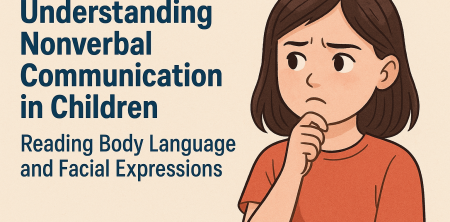
- Facial Expressions: Children’s faces can reveal their emotions just as clearly as their words. A smile may indicate happiness, while a furrowed brow might signal confusion or concern.
- Gestures: Simple actions like pointing, waving, or shaking their head can convey a wealth of information. For instance, a child pointing at a toy communicates interest or desire, while a shrug might indicate uncertainty.
- Posture: How a child holds their body can indicate their comfort level. Open and relaxed postures often signify confidence and comfort, while crossed arms or hunched shoulders could suggest defensiveness or anxiety.
- Eye Contact: The degree of eye contact can indicate a child’s engagement level. A child who avoids eye contact may be feeling shy, insecure, or even upset, while someone who maintains strong eye contact typically feels more self-assured.
- Proxemics: This refers to the physical distance between individuals during interactions. Children may display natural tendencies to approach or distance themselves from peers based on comfort and familiarity.
The Development of Nonverbal Skills
Nonverbal communication skills begin to develop early in life. Infants start by using their facial expressions and body movements to signal their needs. For example, a baby may arch their back and cry to signal discomfort, while a cooing noise can signal contentment. As children reach toddlerhood, they begin to learn the social norms surrounding nonverbal communication.
By the age of three, most children can recognize basic emotional expressions such as happiness, sadness, and anger in others. Studies show that this ability continues to refine through interactions with parents, peers, and caregivers. Children learn to interpret nonverbal signals by observing those around them and receiving feedback on their own expressions.
Influences on Nonverbal Communication
Several factors can influence how children use and interpret nonverbal communication. Family dynamics, cultural background, and individual personality traits all play a role:
- Family Dynamics: Children raised in warm, expressive environments are more likely to develop strong nonverbal communication skills. In contrast, children from less expressive families may struggle with these cues.
- Cultural Background: Different cultures have unique nonverbal communication norms. For instance, while direct eye contact is encouraged in some cultures, it may be perceived as disrespectful in others. Understanding cultural differences is vital in interpreting a child’s nonverbal cues accurately.
- Personality Traits: A child’s temperament can also affect their nonverbal communication skills. More introverted children may be less expressive or hesitant to initiate gestures, while extroverted children might communicate more freely.
Recognizing Emotional States Through Nonverbal Cues
Deciphering a child’s emotional state is one of the most crucial aspects of nonverbal communication in children. Children might not always have the words to express their feelings clearly, but their body language can provide valuable insights. Here are some common emotional states and the corresponding nonverbal signs: (See: nonverbal communication in children.)
- Happiness: Bright eyes, smiles, open body posture, and animated movements often indicate joy and excitement.
- Sadness: A child may show signs of sadness through slumped shoulders, lack of eye contact, and subdued facial expressions.
- Frustration: Children who are frustrated might fidget, display tense body language, or make frustrated sounds.
- Fear: Signs of fear can include wide eyes, trembling, or retreating from a situation. A child might also cover their face or hide behind a caregiver.
- Anger: Anger can be illustrated through clenched fists, a red face, or aggressive movements. Children may also exhibit explosive behaviors when frustrated.
Practical Insights for Parents and Educators
For parents and educators, understanding nonverbal communication can enhance interactions, foster connections, and support emotional well-being. Here are some practical tips:
- Model Positive Nonverbal Communication: Children learn by example. Be aware of your own nonverbal cues and strive to express positivity and openness through your body language.
- Encourage Expressive Play: Use games, role-playing, and storytelling to encourage children to explore their emotions and practice communicating them nonverbally.
- Observe and Respond: Pay close attention to a child's nonverbal signals. Responding appropriately to their expressions can build trust and help them feel understood.
- Teach Emotion Vocabulary: Help children articulate their feelings by teaching them emotion-related vocabulary. This can empower them to express themselves verbally as well as nonverbally.
- Be Patient: Children may not always express themselves clearly. Allow time for them to communicate their thoughts and feelings, both verbally and nonverbally.
The Role of Nonverbal Communication in Socialization
Nonverbal communication plays a vital role in how children socialize with each other. From a young age, children engage in nonverbal exchanges that facilitate bonding and friendship. For example, when children play together, they rely heavily on gestures and facial expressions to convey enjoyment, encouragement, or even competition. These exchanges are essential for developing social skills and fostering empathy.
As children grow, their ability to read nonverbal cues becomes increasingly important in navigating social situations. They learn to gauge how others feel, which allows them to respond appropriately. This understanding is crucial for developing friendships, resolving conflicts, and participating in group activities.
Challenges in Nonverbal Communication
Despite the inherent importance of nonverbal communication, some children face challenges that can hinder their ability to express or interpret these cues effectively. Conditions such as autism spectrum disorder (ASD) can significantly impact a child’s nonverbal communication skills. Children with ASD may struggle to understand or respond appropriately to nonverbal signals, leading to difficulties in social interactions.
Moreover, children who experience trauma or have anxiety may also exhibit challenges in their nonverbal communication. They might avoid making eye contact, exhibit closed body language, or display heightened emotional responses. Recognizing these challenges is essential for caregivers, educators, and peers to provide the necessary support.
Current Relevance and Future Implications
In today’s increasingly digital world, the emphasis on verbal communication has grown, sometimes overshadowing the significance of nonverbal communication. Yet, as we interact more through screens, the ability to decode nonverbal cues in face-to-face interactions remains crucial. Children who excel in nonverbal communication will likely have a significant advantage in their personal and professional lives, as they navigate both online and offline social landscapes.
Furthermore, with the rise of mental health awareness, understanding nonverbal communication can also contribute to identifying emotional and behavioral issues in children. By fostering a culture of open expression and attentiveness to nonverbal cues, parents and educators can better support children in developing healthy emotional intelligence.
Common Misinterpretations
Even well-meaning parents and educators can sometimes misinterpret children’s nonverbal signals. For instance, a child who is quiet and avoids eye contact might not necessarily be disinterested or unfriendly; they could simply be shy or overwhelmed. Understanding the context of a situation is essential in interpreting nonverbal communication accurately. Similarly, a child who appears to be angry might be expressing frustration rather than hostility. It’s important to engage with children to gain clarity on their feelings rather than making assumptions based solely on nonverbal cues. (See: communication and child development.)
Expert Perspectives on Nonverbal Communication
Experts in child psychology emphasize the importance of nonverbal communication in developing social skills. Dr. Lisa Miller, a child psychologist, highlights that "nonverbal communication is often the first language a child learns. It sets the stage for how they will interact with others throughout their lives." She suggests that fostering an environment where children feel safe to express themselves nonverbally can lead to healthier emotional development.
Additionally, Dr. James Collins, a sociologist, points out that nonverbal communication is deeply rooted in culture. He states, "Understanding the cultural context of nonverbal communication can help caregivers connect with children from diverse backgrounds." This perspective is particularly important in multicultural settings where nonverbal signals may vary significantly.
Statistics About Nonverbal Communication in Children
Statistics underscore the significance of nonverbal communication in childhood development:
- Research shows that 55% of communication is through body language, while 38% is from tone of voice, leaving only 7% for the spoken word.
- Studies indicate that by age five, children can differentiate between genuine and fake smiles, demonstrating an advanced understanding of nonverbal expressions.
- According to a survey of educators, 80% believe that nonverbal communication is just as important as verbal communication in the classroom setting.
- A study conducted by the University of Michigan found that children who engage in more nonverbal play, such as pretend play, show greater emotional intelligence later in life.
Practical Activities to Enhance Nonverbal Communication Skills
There are many interactive activities that parents and teachers can implement to help children improve their nonverbal communication skills:
- Charades: This classic game encourages children to express ideas and emotions without speaking. It can be a fun way to develop their ability to read and convey nonverbal cues.
- Emotion Cards: Use cards with images of various facial expressions. Children can practice identifying emotions by matching them to their own experiences or to scenarios presented by an adult.
- Mirror Games: In these activities, one child acts out a series of movements or expressions while the other mirrors them. This helps children become more aware of body language and its impact.
- Storytelling with Gestures: Ask children to tell a story using only gestures and expressions. This activity can foster creativity while enhancing their ability to communicate nonverbally.
Frequently Asked Questions
What age do children begin to understand nonverbal communication?
Children start to develop nonverbal communication skills as infants, with significant progress made by age three. By this age, they can usually recognize and respond to basic emotional expressions.
How can I help my child improve their nonverbal communication skills?
Encouraging expressive play, modeling positive body language, and providing feedback on their nonverbal cues can significantly help. Engaging in activities that promote emotional literacy is also beneficial.
Are there cultural differences in nonverbal communication?
Yes, cultural norms greatly influence nonverbal communication. Eye contact, gestures, and personal space may vary widely from one culture to another, and it's essential to be aware of these differences to interpret cues accurately.
What should I do if my child struggles with nonverbal communication?
If a child struggles with nonverbal communication, consider seeking advice from a child psychologist or a speech-language therapist. They can provide strategies tailored to support the child’s unique needs.
Can technology affect nonverbal communication skills in children?
Yes, increased screen time can diminish face-to-face interactions, possibly hindering the development of nonverbal communication skills. Encouraging more in-person play and interactions can help counteract this effect.
Benefits of Strong Nonverbal Communication Skills
Developing nonverbal communication skills has numerous benefits for children. Here are some key advantages:
- Enhanced Emotional Intelligence: Children with strong nonverbal communication skills are better at reading others' emotions, which helps them develop empathy and strong interpersonal relationships.
- Improved Social Skills: Understanding nonverbal cues can lead to more successful interactions with peers, helping children make friends and resolve conflicts more effectively.
- Increased Confidence: Being able to express themselves nonverbally can boost a child's self-esteem, as they feel more competent in social situations.
- Better Academic Performance: In educational settings, children who are adept at nonverbal communication may participate more actively and engage better with their teachers and classmates.
The Impact of Play on Nonverbal Communication Development
Play is a critical component in the development of nonverbal communication skills. Through play, children practice and experiment with various forms of communication. Here's how different types of play can influence these skills:
- Role-Playing: Engaging in role-play scenarios helps children navigate social cues and develop empathy. It allows them to step into someone else's shoes and experience situations from different perspectives.
- Collaborative Play: Activities that require teamwork, such as building a fort or participating in group games, encourage children to communicate nonverbally and interpret the signals of others, fostering collaboration.
- Imaginative Play: Pretend play offers children a safe space to express themselves and explore their feelings without the pressure of real-world consequences.
Recognizing Nonverbal Communication in Special Needs Children
Children with special needs may exhibit unique nonverbal communication patterns. Understanding these variations is crucial for supporting their development:
- Autism Spectrum Disorder (ASD): Children on the spectrum may have difficulty interpreting nonverbal cues. They might rely on routines and have specific ways of communicating through gestures and expressions that may be overlooked by others.
- Speech Delays: Children with speech delays might use gestures and facial expressions more prominently to communicate their thoughts and feelings. Recognizing these cues can help caregivers and educators respond appropriately.
- Learning Disabilities: Children with learning disabilities may struggle with social interactions, making it vital for adults to be attentive to their nonverbal signals to help bridge the communication gap.
Conclusion
Nonverbal communication in children is a rich and complex field that deserves careful attention. By understanding and valuing the unspoken signals that children convey, we can better connect with them, support their emotional growth, and ultimately equip them with the tools they need to thrive in an increasingly communicative world. Whether you're a parent, teacher, or caregiver, honing your skills in interpreting nonverbal cues can enhance your relationships with children, fostering a deeper, more empathetic understanding of their needs and experiences.
```
Trending Now
- the complete explanation
- the complete explanation
- this guide on “adapting socratic seminars for elementary students: age-appropriate modifications”
- our breakdown of “why neuroscientists say learning styles theory lacks scientific evidence”
- “The Bobo Doll Experiment Explained: What…
Frequently Asked Questions
What is nonverbal communication in children?
Nonverbal communication in children refers to the transmission of messages without words, including facial expressions, gestures, posture, and eye contact. It plays a crucial role in expressing emotions and intentions, especially when children are still developing their verbal skills.
How can I recognize nonverbal cues in my child?
You can recognize nonverbal cues in your child by observing their facial expressions, gestures, and posture. For example, a smile can indicate happiness, while a furrowed brow may signal confusion. Paying attention to these signals helps enhance your understanding of their feelings and needs.
Why is nonverbal communication important for children?
Nonverbal communication is vital for children as it allows them to express feelings and intentions before they fully develop language skills. Research suggests that a significant portion of communication—up to 93%—is conveyed through nonverbal means, highlighting its importance in social interactions.
What are common nonverbal cues in children?
Common nonverbal cues in children include facial expressions like smiling or frowning, gestures such as pointing or waving, and body posture that reflects their emotional state. Recognizing these cues can help parents and educators better understand children's needs and feelings.
How can parents improve their child's nonverbal communication skills?
Parents can improve their child's nonverbal communication skills by encouraging expressive play, modeling positive body language, and engaging in activities that promote awareness of emotions. Discussing feelings and practicing different nonverbal cues together can also enhance their understanding and skills.
Agree or disagree? Drop a comment and tell us what you think.

