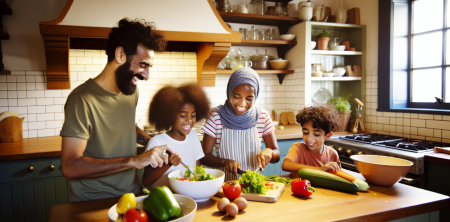
In an era dominated by fast food and convenience meals, a recent longitudinal study has brought to light the significant impact that cooking with parents has on children's eating habits later in life. The study, which surveyed over 1,200 participants, reveals that individuals who grew up cooking alongside their parents consume 40% more vegetables as adults. This finding underscores the importance of hands-on meal preparation, suggesting that the act of cooking together fosters a deeper connection to food that goes beyond mere exposure.
The Power of Participation
The research indicates that it is not just about being present during meal preparation but actively participating in the process that leads to healthier eating habits. Tasks such as chopping vegetables, mixing ingredients, or even simple activities like tossing a salad can create a sense of ownership over food choices. Children who engage in these culinary activities tend to develop a more positive relationship with vegetables and healthy foods.
Emotional Connections Through Cooking
Beyond the physical act of cooking, the study highlights the emotional stability that family dinners and shared cooking experiences can provide. These moments foster intuitive family bonding, allowing children to associate positive feelings and memories with mealtime. As families gather around the kitchen, they create a nurturing environment that encourages open communication and shared experiences.
- Emotional Stability: Cooking together strengthens family bonds.
- Intuitive Learning: Children learn to appreciate the value of fresh ingredients.
- Open Communication: Cooking fosters discussions about food choices and nutrition.
Breaking Down Barriers
One of the most exciting aspects of this study is its emphasis on the accessibility of cooking together. No formal culinary classes are necessary to reap the benefits of shared cooking experiences. Even occasional activities, such as weekend cooking or preparing a salad together, can yield lasting impacts on children's vegetable consumption. This means that busy parents can still make a difference in their children's dietary habits without significant time commitments.
Every Little Bit Counts
Incorporating cooking into family routines doesn't have to be a daunting task. Here are some simple ways to include cooking in your family life:
- Weekend Meal Prep: Dedicate some time each weekend to prepare meals as a family.
- Make It Fun: Turn cooking into a game by letting kids choose their favorite vegetables.
- Theme Nights: Organize themed dinner nights where the family prepares cuisine from different cultures.
- Grocery Shopping Together: Involve children in selecting fresh produce at the grocery store or farmer's market.
Encouraging Healthy Choices
The study's findings serve as a reminder of the profound effects that early food experiences can have on long-term health. By cooking together, parents not only teach essential life skills but also promote healthier eating patterns. As children grow into adults, those who had hands-on cooking experiences are more likely to incorporate vegetables into their diets, ultimately supporting their overall well-being.
Building Lifelong Habits
Incorporating cooking into family life can lead to healthier eating habits that last a lifetime. The act of cooking together equips children with the knowledge and skills they need to make informed food choices. As they become adults, they carry these lessons with them, leading to a more balanced approach to nutrition.
The Importance of Family Meals
Family meals do more than just provide sustenance; they offer opportunities for connection and communication. Studies have shown that children who regularly eat meals with their families tend to perform better academically and have lower rates of substance abuse. By making cooking a shared activity, families can strengthen their bonds while also improving their overall health.
Conclusion
The findings of this longitudinal study highlight the transformative power of cooking together. By engaging children in the kitchen, parents can instill a love for vegetables and healthy eating that lasts well into adulthood. As families navigate the challenges of modern life, making time for cooking can yield significant benefits, fostering not only healthier eating habits but also stronger family connections.
So, grab your apron, gather your loved ones, and start cooking together. It’s never too late to make a difference in your family’s health and well-being!

