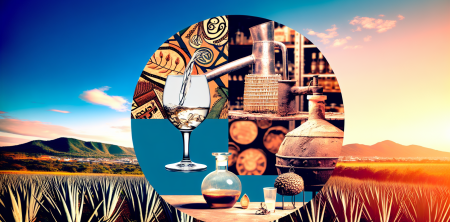
Mezcal, a traditional Mexican spirit, has surged in global popularity over the past decade, transforming not just the economy of rural communities but also the ecological landscape of regions where it is produced. From a mere 1 million liters in 2010, production has skyrocketed to over 11 million liters in 2024. However, this rapid growth comes at a significant environmental cost, raising urgent questions about sustainability and the future of mezcal production.
The Rise of Mezcal
Mezcal has long been a staple in Mexican culture, often consumed during celebrations and rituals. Its unique flavor profile, derived from the agave plant, has captured the attention of consumers globally, leading to an unprecedented demand that has transformed the industry. A significant portion of mezcal production relies on the espadin agave, which has seen an explosive increase in cultivation—reportedly expanding by over 400% in the last thirty years.
Environmental Impact: A Growing Concern
The environmental consequences of this mezcal boom are alarming. As espadin agave plantations replace traditional forests and farmland, several critical ecological issues have arisen:
- Soil Erosion: The extensive clearing of land for agave cultivation has led to significant soil erosion, jeopardizing the fertility of the land.
- Reduction in CO2 Capture: The shift from diverse ecosystems to monocultures of agave limits the ability of these areas to capture carbon dioxide, resulting in an estimated loss of 4 million tonnes of CO2 capture each year.
- Groundwater Recharge: The expansive agave fields hinder natural groundwater recharge processes, potentially threatening water supplies for local communities.
- Urban Heat Islands: The replacement of forests with agave plantations contributes to the formation of heat islands, exacerbating local climate conditions.
Economic Benefits vs. Environmental Sustainability
While the mezcal industry has brought economic benefits, particularly to local producers and celebrities like actors Bryan Cranston and Aaron Paul, who launched the popular Dos Hombres brand, the environmental ramifications cannot be ignored. The influx of revenue has provided many families with a means of livelihood, yet it has also led to unsustainable agricultural practices that threaten the very resources these communities depend on.
Corporate Responsibility: A Step Towards Sustainability
In response to the growing environmental concerns, some mezcal producers are taking measures to mitigate their impact. Companies like Del Maguey are making strides towards sustainable practices. According to Gabriel Bonfanti, the sustainability head at Del Maguey, the company has implemented initiatives such as:
- Planting trees to restore ecological balance.
- Reusing over 5,000 tonnes of bagasse (the fibrous material left after agave is pressed) for sustainable infrastructure.
- Recycling approximately 2 million liters of vinaza (a byproduct of fermentation) to minimize waste.
These efforts reflect a growing acknowledgment within the industry that sustainability is essential for the long-term viability of mezcal production.
The Future of Mezcal: Balancing Tradition and Modernity
As the global appetite for mezcal continues to rise, striking a balance between economic growth and environmental preservation will be critical. Communities that have cultivated mezcal for generations face a pivotal moment in their history. They must navigate the complexities of modern agricultural practices while remaining true to their cultural heritage.
Moreover, consumers play a significant role in shaping the future of mezcal. By prioritizing brands that demonstrate a commitment to sustainable practices, individuals can help foster an industry that values both tradition and ecological health.
Conclusion
The mezcal boom presents a unique challenge—it offers economic opportunities while simultaneously posing significant threats to the environment. As Mexican communities embrace the global demand for mezcal, the path forward must incorporate sustainable practices that protect both the land and the cultural heritage that this beloved spirit represents. The future of mezcal is not just about the drink itself, but about the communities and ecosystems it sustains.

