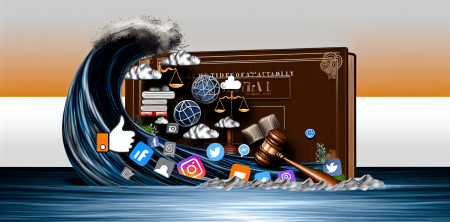
In an age where social media dominates daily interactions, recent legal developments have thrown the spotlight on the darker aspects of these platforms. A New Mexico jury has handed down a staggering $375 million fine to Meta, the parent company of Facebook, Instagram, and WhatsApp, for permitting harmful content that includes pornographic images and enabling adults to contact vulnerable children. This decision marks a pivotal moment in the ongoing debate surrounding social media's responsibility for the content shared on its platforms.
The New Mexico Verdict: A Major Shift in Accountability
The jury’s decision in New Mexico is part of a broader movement aimed at holding social media companies accountable for the effects their platforms have on users, particularly minors. The case brought to light the alarming ease with which inappropriate content can circulate on these platforms, raising concerns about the safety of children and adolescents who use them.
This verdict is not an isolated incident. It signals a growing recognition of the potential dangers associated with social media, especially for younger demographics. With more children gaining access to smartphones and social media accounts at younger ages, the implications of such rulings are profound.
A Landmark Case in California
On March 30, 2026, another significant case emerged from California, where 20-year-old Kaley G.M. was awarded $4.2 million in compensatory and punitive damages. The suit was brought against Meta for the mental health challenges she faced, including depression and body image issues, attributed to her experiences on social media platforms. This case highlights the growing psychological toll that social media can take on its users, particularly young women who are often subjected to unrealistic beauty standards and negative comparisons.
Kaley’s case is emblematic of a larger issue: the mental health crisis among youth linked to social media use. Studies have shown that heavy social media consumption can exacerbate feelings of inadequacy and anxiety, particularly in adolescents who are still forming their self-identity. The California ruling serves as a precedent for future lawsuits, further establishing that social media companies may be held liable for the detrimental effects of their platforms on users’ mental health.
The Cascade of Lawsuits Against Meta
As awareness of these issues grows, Meta faces a barrage of similar lawsuits. Legal experts predict that the number of claims against the company will continue to rise as more individuals come forward, seeking justice for the harm they believe has been caused by their social media experiences. The sheer volume of these lawsuits indicates that the public is becoming increasingly aware of the potential risks associated with social media use.
- Increased Awareness: More individuals are recognizing the psychological impacts of social media and are willing to confront the powers that be.
- Legal Precedents: Recent verdicts may pave the way for additional cases, strengthening the argument for accountability.
- Public Sentiment: There is a growing push from parents, advocacy groups, and mental health professionals for stricter regulations on social media companies.
The Broader Implications for Social Media Companies
These legal challenges highlight a fundamental question: how should social media companies balance user engagement with the responsibility to protect their users? With billions of users worldwide, the scale of social media's influence is unparalleled, and the consequences of inaction are becoming more apparent.
In response to these concerns, some social media companies are beginning to implement changes aimed at improving user safety. Initiatives such as increased content moderation, better reporting mechanisms for harmful content, and educational campaigns about the impacts of social media on mental health are becoming more common. However, critics argue that these measures often fall short and that more rigorous regulations are necessary.
Moving Forward: The Need for Responsible Social Media Use
As society grapples with the implications of social media, it’s crucial for users to cultivate a healthy relationship with these platforms. Here are some strategies for individuals seeking to mitigate the negative impacts of social media:
- Limit Usage: Set daily limits on how much time is spent on social media platforms.
- Curate Content: Follow accounts that promote positivity and mental well-being, unfollowing those that induce negativity.
- Engage Mindfully: Be conscious of the content consumed and how it affects mood and self-esteem.
As the legal landscape continues to evolve, the responsibility of social media companies to safeguard their users will remain a contentious topic. The recent verdicts against Meta may serve as a catalyst for broader changes in how social media platforms operate, fostering an environment that prioritizes user safety and mental health. In this rapidly changing digital age, it is imperative that both users and companies recognize the importance of accountability and proactive measures to ensure a safer online experience for all.

