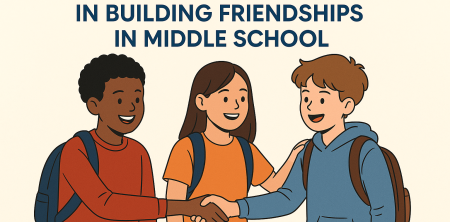
```html
Friendship during middle school can feel like navigating a complex maze, where every turn holds the potential for connection or confusion. One of the most vital elements in forming these important relationships is reciprocity in friendships. This concept revolves around mutual exchange and support, which is particularly crucial during the often tumultuous years of early adolescence. In this article, we’ll explore the role of reciprocity in friendships among middle schoolers, highlighting its significance, challenges, and practical implications.
Understanding Reciprocity in Friendships
The term reciprocity refers to a mutual exchange of privileges or favors, and it plays a foundational role in friendships. In the context of middle school, this concept manifests in various ways — from sharing notes and collaborating on projects to providing emotional support during tough times. The idea is simple yet profound: friendships thrive when both individuals contribute to the relationship.
Research indicates that reciprocity is not merely beneficial but essential for friendship longevity. A study published in the journal Child Development found that children who engage in reciprocal interactions are more likely to develop strong, lasting friendships. This underscores the necessity of two-way exchanges during the formative years of social development.
The Dynamics of Middle School Friendships
Middle school is a unique time in a young person’s life, marked by significant physical, emotional, and social changes. Peer relationships become more complex as children transition from elementary school to a setting where social hierarchies, cliques, and peer pressures often come into play. Friendships formed during this period can have lasting impacts, influencing self-esteem, identity, and social skills.
During these years, individuals start to prioritize friendships that offer emotional support and validation. By engaging in reciprocal relationships, middle schoolers learn valuable social skills such as empathy, negotiation, and conflict resolution. These skills lay the groundwork for healthy adult relationships, making the role of reciprocity even more crucial.
The Importance of Mutual Support
At the core of reciprocity in friendships is mutual support. This support can take various forms, including emotional encouragement, sharing resources, and participating in activities together. For instance, when one child helps another with homework, or provides a shoulder to cry on during tough times, they are fostering a reciprocal relationship. This kind of support reinforces the bond between friends and builds trust.
Emotional reciprocity is particularly essential during middle school, as students often grapple with issues related to self-image, academic pressure, and social acceptance. Friends who understand and respond to each other’s emotions create a safe space for vulnerability, which is crucial for healthy development. A supportive friend can help mitigate feelings of anxiety or loneliness, making the middle school experience more manageable.
Challenges to Reciprocity in Friendships
While reciprocity is vital for building strong friendships, it’s not without its challenges. Social dynamics in middle school can be unpredictable, and factors such as peer pressure, competition, and changing interests can complicate reciprocal relationships.
One of the most significant challenges is the imbalance of give-and-take in friendships. Sometimes, one friend may feel that they are giving more than they receive, leading to feelings of resentment or disconnection. This imbalance can arise due to various reasons, including differing personal circumstances or emotional states. For instance, if one friend is dealing with family issues, they may struggle to provide the same level of support that they usually would. Understanding these dynamics is essential for fostering healthy relationships.
Strategies for Fostering Reciprocity
Given the importance of reciprocity and its potential challenges, it’s essential to equip middle schoolers with strategies to cultivate balanced friendships. Here are some actionable approaches: (See: National Institute of Child Health and Human Development.)
- Open Communication: Encourage students to express their feelings and expectations openly. This transparency can help clarify misunderstandings and promote balanced exchanges.
- Recognize Different Forms of Support: Teach students that support can come in various forms — emotional, practical, or social. Recognizing these differences can help prevent feelings of imbalance.
- Practice Empathy: Encourage empathy by prompting students to consider their friends’ perspectives. This can help them respond more effectively to the needs of their peers.
- Engage in Group Activities: Group projects or activities can promote collaboration and shared responsibilities, fostering a natural sense of reciprocity among friends.
Real-Life Examples of Reciprocity in Friendships
To illustrate the concept of reciprocity in friendships, let’s consider a few real-life scenarios:
1. **Homework Help:** Imagine two friends, Alex and Jamie, who often study together. When Jamie struggles with math homework, Alex takes the time to explain the concepts. Later, when Alex feels overwhelmed with a science project, Jamie reciprocates by helping him organize his research. This mutual support strengthens their friendship.
2. **Emotional Support:** During a tough week, Sarah is feeling down because of a conflict with her parents. Her friend, Mia, notices something is off and reaches out. By offering to listen and provide comfort, Mia shows emotional reciprocity. Later, when Mia faces her own challenges, Sarah is there to support her, creating a cycle of mutual care.
3. **Social Involvement:** In a school club, members are expected to contribute by sharing tasks and responsibilities. When one member takes the lead on a project, others are equally expected to assist. This shared effort fosters a sense of community and reinforces the value of reciprocal relationships.
The Role of Teachers and Parents
Teachers and parents play a critical role in helping students understand and practice reciprocity in friendships. By modeling reciprocal behaviors and facilitating environments that encourage mutual support, adults can significantly influence children’s social development.
In the classroom, teachers can promote group work and collaborative learning experiences. By structuring activities that require cooperation and shared responsibilities, they can illustrate the value of reciprocity in friendships. Additionally, teachers can intervene in conflicts or imbalances, guiding students to communicate effectively and resolve issues respectfully.
Parents, on the other hand, can provide insights and encouragement at home. Discussions about the importance of being a good friend, sharing responsibilities, and supporting one another can reinforce these values. Parents can also encourage their children to engage in group activities outside of school, fostering friendships that thrive on reciprocity.
The Impact of Technology on Reciprocity
In today’s digital age, technology plays a significant role in shaping friendships among middle schoolers. Social media platforms and messaging apps provide new avenues for communication, enabling friends to maintain connections beyond face-to-face interactions. However, the nature of online communication can impact the traditional notions of reciprocity.
On one hand, technology allows for instant connections and support, making it easier to reach out to friends when needed. A simple text or social media message can provide the emotional support a friend needs at any moment. On the other hand, the superficial nature of online interactions can lead to feelings of isolation or disconnection. With the rise of digital communication, it’s essential for middle schoolers to understand the importance of balancing online and offline interactions to foster genuine reciprocal relationships.
Lessons for Lifelong Friendships
The lessons learned about reciprocity in friendships during middle school can have far-reaching implications. As individuals move into high school and beyond, the ability to engage in reciprocal relationships will continue to be a key factor in maintaining strong, healthy connections.
Understanding that friendships require effort from both parties is essential for sustaining these bonds. As adults, individuals who grasp the value of reciprocity can create richer, more fulfilling relationships in their personal and professional lives. Skills developed during middle school, such as communication, empathy, and collaboration, serve as cornerstones for future interactions.
How to Spot Imbalances in Reciprocity
Recognizing when a friendship lacks reciprocity is vital for maintaining healthy relationships. Here are some signs that may indicate an imbalance:
- One-Sided Conversations: If one friend consistently dominates discussions or only talks about their own issues without inquiring about the other person, it may signal a lack of reciprocity.
- Unreciprocated Efforts: If you find yourself always making plans or initiating conversations, but the other person often fails to match that energy, it’s worth addressing.
- Feelings of Resentment: Constantly feeling drained or frustrated after hanging out with someone can indicate that the friendship lacks mutual support.
- Inconsistent Availability: If one friend consistently cancels plans or is unavailable during difficult times while expecting the other to be there for them, this may create an imbalance.
Addressing Imbalance in Friendships
When you recognize an imbalance in reciprocity, it’s essential to address it constructively. Here are some steps to consider:
- Have an Honest Conversation: Approach your friend and share your feelings about the friendship dynamics. Use “I” statements to express how you feel without placing blame.
- Set Boundaries: If a friend consistently takes more than they give, establish clear boundaries about what you can offer. This helps maintain your emotional health.
- Seek Mutual Solutions: If both parties are willing, discuss ways to enhance the reciprocity in the friendship. This could involve more shared activities or equal participation in group tasks.
- Evaluate the Friendship: Sometimes, it’s best to reevaluate whether a friendship is worth maintaining. If the imbalance continues despite efforts to address it, it may be time to step back.
The Effect of Societal Pressures on Reciprocity
Societal pressures can significantly impact the dynamics of reciprocity in friendships. From media portrayals of friendship to the expectations set by social norms, adolescents can feel compelled to act in certain ways that may not foster healthy reciprocal relationships.
For instance, popular culture often glamorizes friendships that appear perfect or effortless, leading middle schoolers to unrealistically compare their relationships to these portrayals. This can create pressure to conform to certain norms, leading to superficial exchanges rather than genuine connections. Understanding that real friendships take work and vulnerability is crucial for middle schoolers to navigate these influences effectively.
Statistics on Friendships and Reciprocity
Several studies provide insight into the correlation between reciprocity and the quality of friendships. For example, a study from the American Journal of Psychology found that 78% of adolescents reported feeling more satisfied in friendships where both parties actively participated in supporting one another. Additionally, a survey by the National Institute of Health revealed that friendships characterized by reciprocity lead to improved mental health outcomes, including lower rates of anxiety and depression.
These statistics highlight the importance of fostering mutual support in friendships, especially during the formative middle school years when social dynamics are in flux.
FAQ About Reciprocity in Friendships
What is the best way to explain reciprocity to a child?
Explaining reciprocity can be as simple as using relatable examples, like sharing toys or helping each other with homework. You might say, "It's like when you share your snack with a friend, and they share theirs with you. It's about both of you giving and receiving." This tangible understanding can help children grasp the concept easily.
How can I encourage my child to be a good friend?
Encouraging your child to be a good friend involves modeling behavior. Show them the importance of listening, sharing, and being supportive. Engage them in discussions about their friendships, and encourage them to reflect on how they can contribute positively.
How do I know if my friendships are healthy?
A healthy friendship typically involves mutual respect, trust, and support. If both parties feel valued and are willing to communicate openly, it’s a good indicator of a healthy relationship. Pay attention to how you feel after spending time with friends; if it’s mostly positive, it’s likely a healthy friendship.
What should I do if I feel my friendships are one-sided?
If you feel your friendships are one-sided, consider discussing your feelings with your friends. Honest communication can often help address the imbalance. If the situation doesn’t improve, it might be wise to assess whether the friendship is worth maintaining.
Can technology help improve reciprocity in friendships?
Yes, technology can facilitate communication and support. Regular check-ins via text or social media can help friends stay connected and offer support, especially when they can’t meet face-to-face. However, it's essential to balance online interactions with in-person connections for more profound relationships.
Exploring Different Types of Reciprocity
Understanding the different types of reciprocity can deepen the appreciation of friendships. In friendships, reciprocity can take several forms, such as:
- Direct Reciprocity: This involves a straightforward exchange of favors or support. For instance, if one friend helps another with a project, the expectation is that the second friend will return the favor when needed.
- Generalized Reciprocity: This type is less immediate and relies on a broader understanding of support. For example, even if a friend can’t reciprocate directly right away, they may feel a sense of obligation to help in the future based on past kindnesses received.
- Reciprocal Altruism: This concept extends beyond direct exchanges. In friendships, this might mean one friend helps another without any immediate expectation of return, fostering a deeper bond and sense of trust over time. This type of reciprocity can build a foundation of reliability and emotional safety.
Common Misconceptions About Reciprocity
There are several misconceptions about reciprocity in friendships that can lead to misunderstandings:
- Reciprocity Equals Tit-for-Tat: Many people believe that reciprocity means keeping a strict account of what each friend has done for the other. In reality, true reciprocity is more flexible and involves understanding each other's evolving needs.
- Reciprocity is Always Equal: Some might think that reciprocity requires equal amounts of effort at all times. However, it’s essential to recognize that life circumstances can affect what each person can give. Flexibility and understanding are important components of sustained reciprocity.
- Only Emotional Support Counts as Reciprocity: While emotional support is critical, reciprocity can also involve practical support, such as sharing resources or participating in activities together. It's essential to recognize and appreciate these varied contributions.
Encouraging Reciprocity Through School Programs
Schools can play a significant role in fostering reciprocity by implementing programs that emphasize teamwork and community. Here are some ideas:
- Peer Mentoring Programs: Schools can pair students in mentorship roles, allowing them to share knowledge and support one another. This structure encourages reciprocal learning and emotional support.
- Community Service Projects: Engaging students in service projects can help them understand the value of giving back, teaching them that reciprocating support isn’t always about personal relationships but can extend to the community.
- Conflict Resolution Workshops: These workshops can help students learn how to address imbalances in friendships constructively. By equipping them with communication skills, students can foster healthier reciprocal relationships.
Final Thoughts on Reciprocity in Friendships
As we’ve explored, the role of reciprocity in friendships during middle school cannot be understated. It lays the foundation for meaningful connections that can last a lifetime. By fostering an environment where mutual support is prioritized, students can enhance their social skills and create lasting bonds. As they navigate the challenges of adolescence, the lessons learned about reciprocity will serve them well throughout their lives, shaping not only their friendships but their overall well-being.
```
Trending Now
Frequently Asked Questions
What is the importance of reciprocity in friendships?
Reciprocity is crucial in friendships as it involves mutual exchanges of support and favors. This mutual involvement helps build trust and strengthens the bond between friends, making relationships more resilient and lasting, especially during the formative years of middle school.
How do middle school friendships differ from elementary school friendships?
Middle school friendships are often more complex due to social hierarchies, cliques, and peer pressures. Unlike elementary school, where friendships may be simpler, middle school relationships tend to focus more on emotional support and validation, making reciprocity even more important.
What challenges do middle schoolers face in building friendships?
Middle schoolers face challenges such as navigating social hierarchies, dealing with peer pressure, and managing emotional changes. These factors can complicate friendships, making it essential for them to engage in reciprocal relationships to foster connection and support.
How can parents help their children build reciprocal friendships?
Parents can encourage their children to engage in reciprocal behaviors by promoting sharing, cooperation, and open communication. They can also guide their children in understanding the importance of giving and receiving support in friendships, helping them develop strong social skills.
What role does emotional support play in middle school friendships?
Emotional support is vital in middle school friendships as it helps individuals navigate the emotional ups and downs of adolescence. Friendships that provide validation and understanding through reciprocal interactions can greatly enhance self-esteem and social development during these critical years.
What's your take on this? Share your thoughts in the comments below — we read every one.

