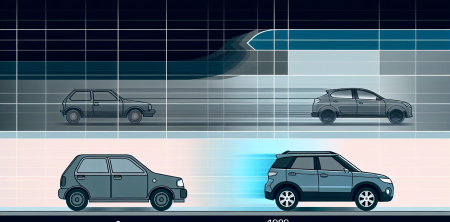
As the automotive landscape continues to evolve, recent trends emerging from the New York Auto Show indicate a significant shift in consumer preferences. Americans are increasingly moving away from electric vehicles (EVs) and smaller cars, opting instead for mid-size SUVs and trucks, which have begun to experience notable sales gains. This change reflects broader market dynamics and evolving consumer demands in the automotive sector.
The Rise of Mid-Size SUVs and Trucks
At the heart of this trend is a growing preference for larger vehicles. Mid-size SUVs and trucks are not just gaining traction; they are becoming the vehicles of choice for many American consumers. This shift could be attributed to several factors, including the increasing demand for space, comfort, and utility that these vehicles provide.
Changing Consumer Demands
In recent years, the automotive industry has seen a surge in interest towards electric vehicles, driven by environmental concerns and advancements in technology. However, the latest data from the New York Auto Show suggests that this enthusiasm for EVs is waning. Consumers are seemingly prioritizing practicality and versatility, which mid-size SUVs and trucks offer in abundance.
According to industry experts, one of the main reasons behind this shift is the lifestyle changes that many Americans have undergone. With an increasing number of families looking for vehicles that can accommodate more passengers and cargo, mid-size SUVs and trucks naturally fit the bill.
The Economic Considerations
Another significant factor influencing consumer choices is the economic landscape. As inflationary pressures mount and the cost of living rises, many buyers are reconsidering their vehicle purchases. Larger vehicles often present better value over time due to their versatility and capacity to handle various needs, from family outings to recreational activities.
Furthermore, the fuel efficiency of newer models of mid-size SUVs and trucks has significantly improved, making them more appealing than ever. While traditional concerns about gas consumption and environmental impact still resonate with a segment of the population, the advancements in hybrid and more efficient gasoline engines are helping to mitigate these issues.
The Influence of Fuel Prices
Fuel prices play a crucial role in shaping consumer behavior. When fuel prices rise, smaller cars are often perceived as the more economical choice. However, when prices stabilize or decline, consumers feel more comfortable investing in larger vehicles. The current trend appears to indicate that many buyers are willing to pay a premium for the added utility and comfort that mid-size SUVs and trucks provide.
Market Dynamics and Future Implications
This reversal in automotive trends raises questions about the future trajectory of the EV market. With fewer consumers purchasing electric vehicles, manufacturers may need to reassess their strategies to cater to the growing demand for larger vehicles. The automotive market is notoriously cyclical, and current preferences may represent a temporary phase or a more permanent shift in consumer behavior.
- Increased Production of Larger Vehicles: Automakers may ramp up production of mid-size SUVs and trucks to meet the rising demand.
- Potential Innovations in EVs: To regain interest, manufacturers might look to innovate within the EV space, focusing on larger EV models that offer the same utility and comfort as traditional vehicles.
- Marketing Strategies: Shifts in marketing approaches may be necessary, highlighting the versatility and practicality of larger vehicles while addressing consumer concerns about fuel efficiency and environmental impact.
Conclusion
The automotive industry is at a pivotal moment, with consumer preferences rapidly shifting from electric vehicles and smaller cars to mid-size SUVs and trucks. As this trend continues to unfold, it will be crucial for manufacturers to adapt to these changes, ensuring that they meet the demands of a market increasingly focused on practicality, comfort, and versatility.
Ultimately, the evolution of automotive preferences in America underscores the importance of understanding consumer needs and responding to them effectively. As larger vehicles take center stage, the future of the automotive industry will depend on how well manufacturers can navigate these shifting tides.

