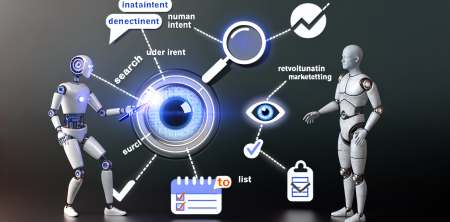
As we move further into 2026, an undeniable transformation is sweeping through the marketing landscape, primarily driven by advancements in artificial intelligence (AI). Traditional search strategies, which have long been centered on keywords, are now being reshaped by a focus on search intent. This paradigm shift is fundamentally altering how marketers approach content creation and search engine optimization (SEO), compelling them to reconsider their existing AI marketing strategies.
The Rise of Intent-Based Search
In the past, effective SEO strategies primarily revolved around identifying high-volume keywords and optimizing content around those terms. However, as AI systems like Google and ChatGPT advance, they have prioritized understanding user intent over simple keyword matching. This evolution is drastically changing how content is planned and strategized, pushing marketers to create more nuanced, context-driven content that resonates with user needs.
Google's Embedding Ads in AI-Generated Results
As part of this shift, Google has started embedding ads into approximately 25% of its AI-generated search results. This means that marketers must now navigate a landscape where paid advertisements are more integrated into search results than ever before. The competitive nature of this new model is forcing agencies to rethink how they allocate budget and resources for content production.
ChatGPT's Impact on Conversion Rates
Simultaneously, ChatGPT has emerged as a formidable player in the marketing space, boasting superior conversion rates compared to traditional search methods. The effectiveness of AI-driven engagement highlights a significant trend: agencies are beginning to pivot away from keyword-focused strategies. Instead, they are embracing a model that prioritizes user intent, paving the way for more effective marketing communications.
The Panic Among Marketing Professionals
The realization that relying heavily on high-volume keyword targeting could potentially harm performance is causing widespread concern within the marketing community. Many professionals are experiencing a sense of urgency to adapt their strategies before competitors capture valuable market share in this evolving landscape.
Understanding User Intent
To effectively shift towards AI marketing strategies that prioritize intent, marketers must first grasp the nuances of what search intent entails. Search intent can generally be categorized into four primary types:
- Informational: Seeking knowledge or answers, often in the form of how-to guides or educational content.
- Navigational: Looking for a specific website or location, such as a company’s homepage.
- Transactional: Ready to make a purchase or complete a conversion action, indicating a high intent to buy.
- Commercial Investigation: Researching products or services with the intent to make a purchase, but not yet ready to commit.
By understanding these categories, marketers can tailor their content to meet user expectations more effectively, thereby enhancing engagement and conversion rates.
Adapting to AI-Driven Marketing Landscapes
As the marketing world grapples with this transition, it is crucial for professionals to adopt AI marketing strategies that align with the new intent-focused paradigm. Here are several strategies that can help marketers successfully navigate this change:
1. Create High-Quality, Intent-Driven Content
Producing high-quality content that speaks directly to user intent is paramount. Instead of focusing solely on keyword density, marketers should concentrate on creating valuable content that answers user questions and fulfills their needs. This approach not only improves user satisfaction but also enhances search engine rankings.
2. Invest in Keyword Research Tools with AI Capabilities
Utilizing advanced keyword research tools that leverage AI can help marketers identify topics and phrases that align with user intent. These tools can analyze search patterns and deliver insights that guide content creation efforts.
3. Optimize for Voice Search
With the rise of voice-activated devices, optimizing content for voice search is becoming essential. Voice searches tend to be more conversational and context-driven, making it necessary for marketers to adjust their content strategies accordingly. This includes focusing on natural language and long-tail keywords that mirror spoken queries.
4. Leverage Data Analytics
Incorporating data analytics into marketing strategies allows professionals to track user behavior and preferences effectively. By analyzing user interactions, marketers can refine their content and improve targeting, resulting in better engagement and conversions.
5. Foster a Culture of Continuous Learning
As AI technologies continue to evolve, it is vital for marketing teams to stay informed about the latest trends and tools. Encouraging a culture of continuous learning can empower teams to adapt quickly and efficiently to the changing landscape.
The Role of Social Sharing in Marketing Strategies
As marketers adapt to these new AI-driven strategies, social sharing has become a critical component of content distribution. By fostering a strong social media presence, brands can amplify their reach and engage with their audience on a deeper level.
Building a Strong Social Media Presence
Establishing a robust social media presence allows brands to connect with their audience and share valuable content that resonates with user intent. Here are some effective tactics:
- Engagement: Actively interact with followers, respond to comments, and participate in conversations to foster community.
- Content Variety: Share a mix of content types, including videos, infographics, and user-generated content to keep the audience engaged.
- Strategic Hashtag Use: Utilize relevant hashtags to increase content visibility and reach a broader audience.
By implementing these tactics, brands can enhance their social media engagement and drive traffic back to their websites, further supporting their AI marketing strategies.
Anticipating Future Trends in AI Marketing Strategies
As we look to the future, it is essential for marketers to stay ahead of emerging trends that will shape the landscape of AI marketing strategies. Some anticipated trends include:
1. Personalization at Scale
With advances in AI and machine learning, marketers will increasingly focus on delivering personalized experiences to users. This will involve tailoring content and recommendations based on individual preferences and behaviors, resulting in a more engaging user experience.
2. Automation of Marketing Processes
AI will continue to automate various marketing processes, from content creation to data analysis, enabling marketers to operate more efficiently and focus on strategic initiatives.
3. Enhanced Predictive Analytics
As AI capabilities improve, predictive analytics will allow marketers to forecast user behavior more accurately. This insight will guide targeted campaigns and resource allocation.
4. Increased Importance of Video Content
Video content is rapidly gaining prominence in digital marketing, and this trend is likely to continue. Brands that effectively incorporate video into their marketing strategies will engage users more effectively and drive conversions.
Conclusion: Embracing the Future of Marketing
As the marketing industry undergoes this seismic shift towards AI marketing strategies centered on user intent, it is crucial for professionals to adapt and evolve their approaches. By prioritizing high-quality, intent-driven content, leveraging AI tools, and embracing social media engagement, marketers can position themselves for success in this new landscape.
The urgency to pivot from traditional keyword-based strategies to intent-focused marketing has never been greater. As Google and ChatGPT continue to evolve, marketers must be proactive in understanding and implementing these changes to maintain their competitive edge in a rapidly changing environment. Only by embracing these new strategies can marketing professionals ensure they remain relevant and effective in an increasingly AI-driven world.

