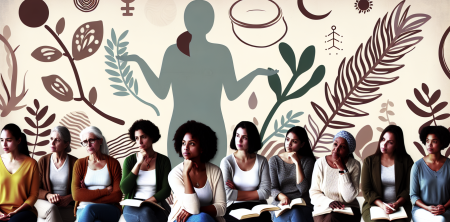
In recent years, a significant shift has been observed among women in France regarding their choices in contraceptive methods. A growing trend, labeled as 'hormone-phobia,' is leading many to abandon traditional hormonal birth control options, like the pill, in favor of natural contraception techniques. This development raises important questions about the implications for women's health, the effectiveness of natural methods, and the reasons behind this growing apprehension towards hormonal treatments.
The Origins of Hormone-Phobia
The term 'hormone-phobia' refers to the increasing fear and skepticism surrounding hormonal contraceptive methods. This phenomenon is not isolated to France but has seen a rise in various parts of the world, fueled by concerns related to the side effects and long-term health impacts of hormonal birth control. Many women report experiencing a range of negative side effects from hormonal contraceptives, including mood swings, weight gain, and increased risk of certain health conditions. As a result, some women are actively seeking alternatives that they perceive to be more aligned with their bodies' natural rhythms.
Elodie Monnier Legrand: A Case Study
Elodie Monnier Legrand, a woman who previously relied on the pill for over a decade, exemplifies this growing trend. After enduring side effects that impacted her quality of life, Legrand sought a different approach. She decided to switch to natural contraception, which involves meticulously tracking her fertility cycles to avoid pregnancy. Legrand's experience mirrors that of many women who feel disillusioned by hormonal options and are turning towards methods that emphasize body awareness and natural rhythms.
Understanding Natural Contraception
Natural contraception encompasses a variety of methods that rely on understanding and tracking a woman’s ovulation cycle to prevent pregnancy. These methods include:
- Fertility Awareness-Based Methods (FABMs): These involve tracking the menstrual cycle, monitoring basal body temperature, and observing changes in cervical mucus.
- Calendar Method: This simple approach involves estimating the fertile window based on past menstrual cycles.
- Withdrawal Method: Also known as coitus interruptus, this method requires the male partner to withdraw before ejaculation.
While natural contraception can be appealing, it requires diligence, education, and a deep understanding of one’s body. Many women are drawn to the idea of connecting with their bodies and taking control of their reproductive health.
The Effectiveness of Natural Contraception
While natural methods can be effective for some, experts caution that they are not foolproof. The effectiveness of these methods largely depends on the individual's ability to track their cycles accurately and consistently. According to studies, natural contraception methods can have a failure rate ranging from 2% to 24%, depending on how well they are implemented.
Challenges with Irregular Cycles
For women with irregular menstrual cycles, the challenges of relying on natural contraception can be even greater. Irregular cycles can make it difficult to predict ovulation accurately, thereby increasing the likelihood of unintended pregnancies. Medical professionals emphasize that women with such cycles may not achieve the level of effectiveness they hope for when using natural methods.
Health Risks and Considerations
While some women report feeling healthier and more in tune with their bodies after switching to natural contraception, it is essential to approach this decision with caution. Experts warn that abandoning hormonal birth control may expose women to the risk of unintended pregnancies, particularly if they do not fully understand their reproductive health.
Consulting Healthcare Professionals
Healthcare providers play a crucial role in guiding women through their contraceptive choices. Women considering a switch to natural methods are encouraged to consult with medical professionals to discuss their health history, lifestyle, and reproductive goals. This dialogue can help identify the most suitable options tailored to individual needs.
The Cultural Shift Towards Natural Living
The rising interest in natural contraception also reflects a broader cultural movement towards natural living and wellness. Many women are increasingly prioritizing holistic health practices, including nutrition, exercise, and mental well-being. This shift is often accompanied by a desire to minimize exposure to synthetic substances, such as hormones found in birth control.
Empowerment Through Education
Education plays a vital role in this cultural transformation. Many organizations and advocates are working to provide women with the knowledge and resources needed to make informed choices about their reproductive health. Workshops, online resources, and community support groups are becoming more prevalent, empowering women to take ownership of their reproductive decisions.
Expert Opinions on the Trend
Health experts have varying opinions on the trend of hormone-phobia and the switch to natural contraception. Some express concern over the potential consequences of relying solely on natural methods, while others recognize the importance of informed choice and body autonomy.
The Need for Comprehensive Sexual Education
Experts stress the importance of comprehensive sexual education that includes discussions about both hormonal and natural contraceptive methods. Providing women with a full spectrum of information enables them to make choices that best align with their lifestyles and health needs.
Conclusion: Striking a Balance
The rise of hormone-phobia and the shift towards natural contraception highlight the complex relationship women have with their reproductive health. While the desire for natural methods is understandable, women must approach these choices with caution and awareness. A balanced understanding of both hormonal and natural contraceptive options, along with professional guidance, will empower women to navigate their reproductive health effectively.
As this trend continues to evolve, ongoing discussions and research will be critical in ensuring that women are equipped to make informed choices that support their health and well-being.

