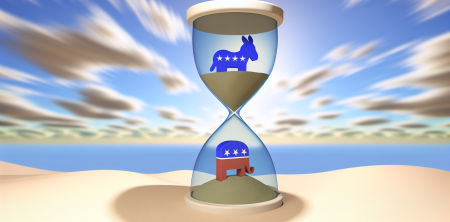
The landscape of American politics is undergoing a significant transformation, with both major political parties facing internal and external challenges that threaten their stability and electoral prospects. In a recent analysis by Michael Barone, the shifting allegiances and strategies of the Republican and Democratic parties are put under the microscope, revealing a complex interplay of policies, voter demographics, and political identity.
Republican Party's Dilemma
Barone raises critical questions about the Republican Party's current trajectory, particularly regarding its support for former President Donald Trump's foreign policy decisions. Specifically, the party's backing of military interventions in the Middle East, including conflicts in Iran and Venezuela, echoes the controversial policies of the George W. Bush administration. These military engagements, while aimed at addressing perceived threats, have not resonated with all Republican voters, especially those who prioritize domestic issues over international conflicts.
Moreover, the party's approach to economic policy, particularly the use of tariffs, has come under scrutiny. Critics argue that these measures could alienate key voter bases, particularly working-class Americans who have felt the brunt of rising costs. Coupled with a failure to effectively communicate successes at the southern border—such as reduced illegal crossings—these missteps have contributed to the party's struggles in maintaining Senate majorities and grassroots support.
Shifting Voter Demographics
As the Republican Party grapples with these challenges, there is also a notable shift in voter demographics that could reshape its future. Trump's 2024 campaign is making inroads with non-college-educated voters, as well as increasing support among Hispanic and Black communities. This trend could signal a significant realignment, as these groups traditionally leaned Democratic. However, the party risks broader alienation if it continues to cling to strategies that resonate poorly with moderates and independents.
Democratic Party's Policy Issues
On the other side of the aisle, the Democratic Party is facing its own set of challenges. Barone highlights how the party's decision to link funding for the Department of Homeland Security to immigration policies has sparked criticism. Many argue that this prioritization has come at the expense of critical issues affecting everyday Americans, particularly in the wake of rising crime rates and public safety concerns.
Furthermore, the push for unpopular initiatives, such as calls to defund the police, has alienated voters who believe in the importance of law enforcement. This strategy appears to contradict the party's broader message of supporting marginalized communities, creating a rift that could impact its electoral viability.
Internal Divisions and Cohesion
Both parties are experiencing internal divisions that complicate their paths forward. The Republican Party is grappling with factions that either embrace Trump's brand of populism or advocate for a return to traditional conservative values. This tension was evident in the recent midterm elections, where candidates aligned with Trump faced off against more moderate Republicans, leading to a fragmented voter base.
Meanwhile, the Democratic Party is struggling to find a cohesive message that resonates with its diverse coalition. The progressive wing's demands for sweeping reforms often clash with the more centrist members who prioritize electability and pragmatic solutions. This internal strife could hinder the party's ability to present a unified front heading into future elections.
Looking Ahead: Opportunities and Risks
As both parties navigate these tumultuous waters, there are opportunities for reinvention and growth. For Republicans, addressing the concerns of their base—particularly around economic issues and foreign policy—could help solidify their standing among disillusioned voters. Focusing on localized issues and demonstrating tangible successes at the state and local levels could also enhance their appeal.
For Democrats, reevaluating their approach to crime and safety, while also finding a balance between progressive ideals and mainstream appeal, could help them reconnect with disenchanted voters. Prioritizing pragmatic policies that address the immediate concerns of constituents may bolster their standing in key battleground states.
The Role of Leadership
Ultimately, the future of both parties will heavily depend on their leadership. Strong, visionary leaders who can unify their respective factions while appealing to a broader electorate will be crucial in the years leading up to the 2024 elections. As both parties adjust to the changing political landscape, their ability to adapt and resonate with the American people will determine their success or failure.
In conclusion, the state of America’s political parties is marked by both uncertainty and potential for growth. As the Republican Party reassesses its foreign policy and economic strategies, and as Democrats work to align their policies with the needs of their constituents, the upcoming election cycle promises to be a pivotal moment in shaping the future of American politics.

