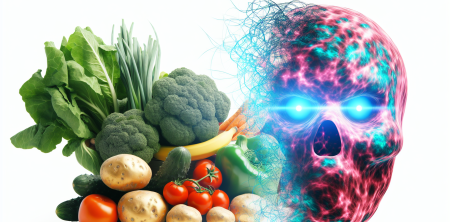
The ongoing debate about diet and health has taken a critical turn with new insights emerging from the largest study ever conducted on ultra-processed foods cancer risk. Released on May 6, 2026, by the journal Frontiers in Nutrition, this meta-analysis pooled data from an impressive 1.2 million participants across 15 countries, revealing that daily consumption of ultra-processed foods is associated with a startling 30% increase in overall cancer risk. As the findings stir public concern, it becomes essential to dissect what these results mean for our health and dietary choices.
Understanding Ultra-Processed Foods
Before delving into the implications of the research, it is crucial to define what ultra-processed foods are. According to the NOVA classification, ultra-processed foods are items that have undergone extensive industrial processing and typically contain ingredients not commonly found in a home kitchen. This includes additives such as emulsifiers, artificial sweeteners, preservatives, and flavors.
Examples of ultra-processed foods include sugary drinks, packaged snacks, instant noodles, reconstituted meat products, and ready-to-eat meals. Alarmingly, it was found that ultra-processed foods account for approximately 60% of the overall dietary intake in the United States, highlighting a pervasive issue that has quietly infiltrated everyday eating habits.
The Study: Key Findings
The study led by researchers from the French National Research Institute for Agriculture, Food and Environment (INRAE) provides compelling evidence linking ultra-processed food consumption to heightened cancer risks. Here are some of the most significant findings:
- 30% Overall Cancer Risk Increase: The analysis demonstrated a clear correlation between daily intake of ultra-processed foods and a 30% higher risk of developing cancer.
- Specific Cancer Types: The research highlighted particular concern regarding colorectal cancer, which showed a 35% increase in risk, and breast cancer, which was linked to a 28% higher risk.
- Dangers of Emulsifiers and Sweeteners: The study identified emulsifiers and artificial sweeteners as specific culprits that may disrupt the gut microbiome, further exacerbating health risks.
Understanding the Mechanism
The mechanisms behind the increased cancer risks associated with ultra-processed foods involve several factors. For one, the high levels of sugar, unhealthy fats, and sodium contribute to obesity and metabolic disorders, which are well-established risk factors for various cancers. Additionally, the presence of artificial additives, such as emulsifiers, may disrupt the gut microbiota, leading to chronic inflammation—a known contributor to cancer development.
Gut Microbiome Disruption
The gut microbiome plays an essential role in human health, influencing everything from digestion to immune function. Disruption of this delicate ecosystem can have cascading effects on overall health. The study's findings suggest that the consumption of ultra-processed foods, particularly those containing emulsifiers and artificial sweeteners, can significantly alter the gut microbiome composition, potentially leading to adverse health outcomes, including cancer.
Public Reaction and the FOMO Factor
The release of this study sparked a viral response across social media platforms, particularly on Instagram, where the hashtag #ultraprocessedfoods began trending. Engaging videos and reels highlighting the study's findings gained over 5 million engagements within hours, as users shared personal stories related to cancer and their dietary choices. This emotional outpouring highlights a growing public awareness and fear of the hidden dangers lurking in pantries.
Personal Stories and Boycott Movements
Many individuals took to social media to share their personal experiences with cancer diagnoses, linking them to dietary habits that included significant consumption of ultra-processed foods. This has led to collective calls for boycotts against popular brands known for their ultra-processed products, such as Kellogg's. The emotional weight of these stories, combined with alarming statistics, has ignited a movement encouraging consumers to re-evaluate their dietary choices.
Policy Implications and Recommendations
The findings from this comprehensive study call for urgent action from policymakers and health organizations. Researchers from the INRAE institute have recommended several policy reforms aimed at mitigating the risks associated with ultra-processed food consumption:
- Implementing Warning Labels: Introducing clear labeling on ultra-processed foods can help consumers make informed decisions about their dietary choices.
- Promoting Whole Foods: Encouraging the consumption of whole and minimally processed foods can help shift dietary patterns away from harmful ultra-processed options.
- Educational Campaigns: Public health campaigns aimed at educating consumers on the health risks of ultra-processed foods can further empower individuals to make healthier choices.
What Can You Do?
Understanding the implications of the ultra-processed foods cancer risk is crucial for making informed dietary choices. Here are some practical steps you can take to reduce your intake of ultra-processed foods:
- Read Labels: Familiarize yourself with food labels, looking for products with minimal ingredients and avoiding those with additives.
- Cook at Home: Preparing meals from scratch using whole, unprocessed ingredients can greatly reduce your reliance on ultra-processed foods.
- Focus on Fresh Produce: Incorporating more fruits, vegetables, whole grains, and lean proteins into your diet can help replace ultra-processed items.
- Stay Informed: Keep abreast of new research and dietary guidelines to make empowered choices about your health.
Conclusion
The connection between ultra-processed foods and cancer risk is becoming increasingly clear, as demonstrated by the groundbreaking study from INRAE published in Frontiers in Nutrition. With a 30% increased risk of overall cancer and even higher risks for specific types like colorectal and breast cancer, it is essential to take this information seriously. By understanding the implications of our dietary choices and advocating for policy reforms, we can work towards a healthier future for ourselves and generations to come.
As we continue to learn more about the ultra-processed foods cancer risk, it is crucial to share this knowledge with others. Whether through social media or community discussions, raising awareness can lead to collective action that fosters a healthier society.

