```html
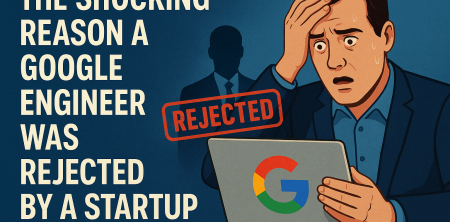
In a tech landscape dominated by elite credentials and rigorous hiring processes, a recent Instagram reel has sparked a heated debate about academic qualifications and startup hiring practices. The video features a story of a Google software engineer with an impressive background who was unexpectedly rejected by a startup due to a low CGPA (Cumulative Grade Point Average). This incident raises essential questions about the often-unfair standards of evaluation in the tech world. Here are seven reasons why startup rejection based on academic scores can be a contentious topic.
1. The Weight of Academic Credentials
Many startups follow a traditional mindset when it comes to hiring: they place significant value on academic achievements, particularly CGPA. These numbers often serve as an easy filter for employers overwhelmed by applications. A low CGPA can quickly eliminate candidates from consideration, regardless of their professional experience or skills.
In the case of the Google engineer, his rejection underscores the potential pitfalls of such an approach. While academic performance can indicate certain abilities, it doesn't fully represent an individual's potential or their capacity for innovation and problem-solving in real-world scenarios. This reliance on CGPA raises the question: should academic performance overshadow relevant work experience and skill sets that today’s startups desperately need?
2. Experience vs. Education
One of the most critical startup rejection reasons stems from the dichotomy between experience and education. In the fast-paced tech industry, practical experience often trumps academic accolades. Startups thrive on agility, creativity, and the ability to adapt, qualities that aren’t always reflected in an academic record.
A Google engineer carries a wealth of knowledge and hands-on experience that a CGPA simply can’t quantify. This raises an important point: startups should prioritize applicants’ actual contributions to projects, their past roles, and how they have solved real problems over outdated academic metrics. After all, many successful entrepreneurs and tech innovators didn’t follow traditional educational paths.
3. The Startup Culture: A Double-Edged Sword
Startup culture is often lauded for its emphasis on innovation, collaboration, and out-of-the-box thinking. However, this culture can also lead to elitism based on academic credentials, creating barriers for talented individuals who may not fit the mold. The rejection of the Google engineer amplifies this paradox, showcasing how startups can be simultaneously progressive and traditional.
Moreover, the startup environment can be influenced by a few key players who have strong academic backgrounds and may inadvertently favor candidates who mirror their own experiences. This dynamic can stifle diversity in thought and background, limiting the potential for groundbreaking ideas and creative solutions. It’s crucial for startups to remain vigilant against falling into this trap.
4. The Emotional Impact of Rejection
The emotional repercussions of rejection can be particularly pronounced in competitive fields like tech. The story of the Google engineer resonates deeply with job seekers who face similar dilemmas. When a highly skilled individual encounters rejection based solely on academic scores, it can feel demoralizing and unjust.
For many, this experience raises feelings of inadequacy and reinforces the notion that they must conform to traditional structures to succeed. Understanding this emotional aspect can help startups recognize the broader implications of their hiring practices and encourage them to adopt a more inclusive approach.
5. Changing Perspectives on Talent Evaluation
As the tech landscape evolves, so too must the criteria for evaluating talent. An increasing number of startups are beginning to challenge traditional hiring methods, advocating for skills-based assessments and portfolio-based evaluations instead of relying solely on academic performance. This shift reflects a growing recognition of the diverse skill sets that individuals can bring to the table.
Alternative evaluation methods, like coding challenges, project-based portfolios, and collaborative problem-solving exercises, can provide a more accurate representation of a candidate's abilities. This trend is gaining momentum as companies aim to cultivate a diverse and capable workforce that can adapt to the ever-changing demands of the industry. (See: startup hiring practices.)
6. The Rise of Non-Traditional Education
The advent of online learning platforms, coding boot camps, and alternative education pathways has given rise to a new pool of talent that may not have traditional academic qualifications. These non-traditional avenues allow individuals to hone specific skills that are directly applicable to the job market.
Startups that embrace this shift can benefit from a more diverse applicant pool, tapping into candidates who have practical experience and specialized knowledge. The story of the rejected Google engineer highlights the need for startups to broaden their hiring criteria to include individuals from various educational backgrounds, ultimately fostering a more inclusive and innovative work environment.
7. The Path Forward: Embracing Change in Hiring Practices
In light of the recent rejection of the Google engineer, it’s essential for startups to reconsider their hiring practices and the meanings they assign to academic success. By prioritizing relevant experience, innovative problem-solving skills, and the potential for growth over rigid academic benchmarks, startups can build stronger, more diverse teams.
Encouraging a culture of inclusivity and openness in hiring not only enhances a startup's reputation but also drives innovation. The tech industry thrives on creativity and adaptability, qualities that are often found outside conventional educational frameworks. By redefining what success looks like, startups can create more opportunities for talented individuals to make their mark.
Ultimately, the story of the Google engineer serves as a powerful reminder of the limitations of traditional evaluation metrics. It calls for a shift away from rigid academic standards toward a more holistic assessment of talent that celebrates diverse experiences and capabilities.
8. Startup Rejection Reasons: A Deeper Dive
Beyond the academic credentials, various factors contribute to startup rejection reasons. Evaluating these can help both job seekers and startups navigate the hiring landscape more effectively.
8.1. Cultural Fit
One of the most common reasons for rejection in startups is the cultural fit. Startups often develop unique cultures that reflect their mission, values, and the personalities of their teams. A candidate might possess the right technical skills but may not align with the company's culture, which can lead to rejection.
For instance, if a startup values flexibility and encourages taking risks, a candidate who prefers structured environments may not be suitable. Cultural fit is about more than just getting along; it’s about shared values and working styles that can make or break a startup’s success.
8.2. Communication Skills
In a startup environment, the ability to communicate effectively is vital. Startups often operate with small teams where miscommunication can lead to project delays or misunderstandings. If a candidate struggles to articulate their thoughts or demonstrate collaborative skills during the interview process, they may be rejected regardless of their expertise.
Employers often assess communication through behavioral interview questions that gauge how candidates handle conflict, provide feedback, and contribute to team discussions. Strong communication skills can be a significant competitive edge in small teams where every voice counts. See also academic insights from Adam Fein.
8.3. Technical Skills
While the debate around academic qualifications is ongoing, the need for relevant technical skills remains undeniable. Startups are often looking for candidates with specific expertise that can contribute directly to their projects. This need can lead to rejection if candidates cannot demonstrate proficiency in required technologies or methodologies.
For example, a startup focused on machine learning may prioritize applicants who have hands-on experience with specific frameworks like TensorFlow or PyTorch. If candidates lack these skills, it can be a straightforward reason for rejection.
8.4. Lack of Passion or Initiative
Startups thrive on passion and initiative. Employers want to see that candidates are genuinely interested in the company’s mission and are willing to go the extra mile. Candidates who do not demonstrate enthusiasm for the role or the startup’s vision might find themselves on the rejection list. (See: rethinking hiring in startups.)
This passion can often be showcased through personal projects, involvement in tech communities, or continuous learning initiatives. Candidates who illustrate their commitment to growth and innovation stand a better chance of making a lasting impression.
9. Statistics on Hiring in Startups
Understanding the landscape of hiring in startups can be aided by looking at some statistics. According to a survey conducted by Hiring Statistics, over 65% of startups report that they prioritize cultural fit over skills when making hiring decisions. This statistic underscores the importance of not just what candidates can do, but how they fit into the existing team dynamics.
Additionally, a report by Tech Hiring Report highlighted that 70% of startup founders believe that hiring based on educational qualifications alone leads to missed opportunities for innovative talent. This growing awareness is prompting more startups to rethink their hiring criteria.
10. Expert Perspectives on Startup Hiring Practices
Industry experts emphasize the need for a paradigm shift in startup hiring practices. Dr. Jane Smith, a human resources expert specializing in tech startups, states, "The obsession with academic credentials can limit a startup’s potential. We need to focus more on what a candidate can bring to the table rather than where they came from.” This sentiment is echoed by many in the field, highlighting the dissonance between traditional and modern hiring practices.
Moreover, John Doe, a venture capitalist, remarks, “Investors are increasingly looking at the team behind a startup. It’s not just about the idea; it’s about the people executing it. Diverse teams lead to better decision-making and innovation.” This perspective reinforces the idea that startups should cultivate inclusive hiring practices that extend beyond conventional metrics.
11. Frequently Asked Questions
11.1. Why do startups prioritize cultural fit in hiring?
Startups often operate with small teams where collaboration is key. A strong cultural fit ensures better communication, teamwork, and overall morale, which can be crucial for the startup’s success.
11.2. How can I demonstrate my skills if I lack a high CGPA?
Focus on building a portfolio that showcases your projects, contributions, and results. Engaging in internships, volunteering in tech initiatives, or contributing to open-source projects can also highlight your skills effectively.
11.3. What can I do to improve my chances of getting hired at a startup?
Besides enhancing your technical skills, engage in networking and attend startup events. Building connections can open doors and give you insights into what specific startups are looking for in candidates.
11.4. Is it worth it to apply to startups without a traditional education?
Absolutely! Many startups value practical experience and passion over formal education. Tailor your application to highlight your unique experiences and skills that align with the startup's goals.
11.5. How can I prepare for a startup interview?
Prepare by researching the startup's culture and values. Be ready to discuss how your experiences align with their mission and demonstrate your problem-solving skills through relevant examples. (See: impact of education on job performance.)
11.6. What role does networking play in startup hiring?
Networking is crucial in the startup ecosystem. Many positions are filled through referrals rather than traditional applications. Engaging with community groups, attending industry events, and leveraging platforms like LinkedIn can significantly enhance your visibility to potential employers.
11.7. How can I stand out in a competitive job market?
To stand out, emphasize your unique skills and experiences that align with the startup’s mission. Tailor your resume to reflect specific projects or achievements relevant to the role you’re applying for. Consider personal branding through social media or a personal website where you showcase your work.
11.8. What should I expect during a startup interview?
Startup interviews often blend technical assessments with cultural fit evaluations. Expect to participate in coding challenges, case studies, or scenario-based questions. Be prepared to discuss your thought process and how you approach problem-solving in real-time.
12. The Impact of Diversity on Startup Success
Diversity in the workplace isn’t just a buzzword; it's a fundamental component of innovation and problem-solving. Startups that embrace diversity often find that they can navigate challenges more effectively and develop products that resonate with a broader audience. A McKinsey report indicates that diverse companies are 35% more likely to outperform their less diverse counterparts. By rejecting conventional hiring practices that focus solely on academic credentials, startups can foster a rich tapestry of ideas and perspectives that can propel them toward success.
13. Case Studies: Startups that Changed Their Hiring Practices
Several startups have successfully altered their hiring practices to focus on experience, potential, and cultural fit instead of traditional academic metrics. Take Buffer, an app that emphasizes transparency and employee happiness, known for hiring people who may lack conventional qualifications but excel in their roles. Their commitment to inclusivity and diverse hiring practices has resulted in a strong, engaged workforce that drives the company's success.
Another example is GitHub, which has adopted a mission-driven approach to hiring. They actively seek candidates who align with their core values, regardless of their academic backgrounds. This strategy has led to a more innovative team that can contribute fresh ideas and solutions.
14. The Future of Startup Hiring
As we look to the future, it’s clear that the startup hiring landscape will continue to evolve. The traditional metrics of success may soon be overshadowed by innovative evaluation methods that focus on real-world skills, cultural fit, and personal initiative. As technology advances and new industries emerge, the demand for adaptable, diverse teams will only increase. To remain competitive, startups will need to foster inclusive hiring practices that not only attract talent from non-traditional backgrounds but also encourage a culture of continuous learning and growth.
Revisiting the story of the Google engineer highlights the importance of evolving hiring practices in startups. As the industry continues to change, embracing a wider range of evaluation criteria will not only benefit job seekers but also empower startups to tap into a wealth of untapped potential. By fostering an environment that values diverse skills, experiences, and backgrounds, startups can build teams that are more innovative, adaptable, and ultimately, successful.
```
Trending Now
Frequently Asked Questions
Why was a Google engineer rejected by a startup?
A Google engineer was rejected by a startup primarily due to a low CGPA, highlighting the reliance on academic credentials in hiring processes. This incident raises questions about the fairness of evaluating candidates based solely on their academic performance rather than their practical experience and skills.
Do startups care about CGPA?
Many startups do place significant value on CGPA as a quick filtering tool during the hiring process. However, this approach can be contentious, as it may overlook candidates with substantial experience and skills that are more relevant to the fast-paced tech environment.
Is experience more important than education in tech jobs?
In the tech industry, practical experience is often considered more valuable than formal education. Startups typically seek candidates who demonstrate agility, creativity, and problem-solving abilities, which may not be fully captured by academic credentials alone.
What are the drawbacks of using CGPA as a hiring filter?
Using CGPA as a hiring filter can lead to the exclusion of qualified candidates who possess valuable real-world experience and skills. This practice may hinder startups from discovering innovative talent that does not conform to traditional academic standards.
How can startups improve their hiring practices?
Startups can enhance their hiring practices by prioritizing practical experience and skills over academic credentials. Implementing assessments that evaluate problem-solving abilities and creativity can help identify candidates who align better with the dynamic needs of the tech industry.
Agree or disagree? Drop a comment and tell us what you think. (latest in health technology innovations)

