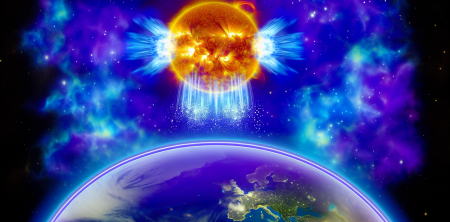
The cosmos has once again reminded us of its immense power. On May 8, 2026, at precisely 10:45 PM UTC, a colossal X-class solar flare erupted from sunspot region AR3664. This event has become a focal point of concern as it is not only a remarkable astronomical phenomenon but also poses significant risks to our technological infrastructures on Earth. This article explores the solar flare impact, the science behind solar flares, and the implications of this recent eruption.
The Eruption: A Cosmic Event
NASA's Solar Dynamics Observatory (SDO) captured stunning visuals of the solar flare. The resulting coronal mass ejection (CME) is barreling toward Earth at an astonishing speed of 1.5 million miles per hour. Scientists immediately began analyzing the data to forecast the potential consequences.
The Significance of X-Class Flares
X-class solar flares are the most powerful type of solar flares. To put it in perspective, they can unleash energy equivalent to millions of hydrogen bombs detonating simultaneously. The flare that occurred on May 8 was noted for its unprecedented intensity, surpassing previous flares from 2024 by approximately 30% in energy output. Dr. Tamara Jones, a leading astrophysicist at NASA, remarked on the rarity and intensity of such an event during the current solar maximum cycle.
Potential Risks and Impacts
As the CME travels toward Earth, experts from the NOAA's Space Weather Prediction Center are warning of high risks associated with this solar flare impact. The potential implications include:
- Blackouts: The surge in charged particles could overload power grids, risking widespread blackouts.
- GPS Failures: Navigation systems could experience disruptions, affecting travel and logistics.
- Satellite Disruptions: Communication satellites may face operational issues or even damage due to increased radiation levels.
These risks are reminiscent of the historic Carrington Event of 1859, which caused telegraph systems to fail and even sparked fires in telegraph offices. As many prepare for the worst, the urgency surrounding this solar event has surged, particularly on platforms like TikTok and X, where users share doomsday prepping tips and survival advice.
Public Reaction and Awareness
Following the news of the solar flare, Google searches related to solar events and survival strategies spiked by an astonishing 500% within 24 hours. This dramatic rise in interest reflects a growing awareness of space weather and its potential impacts on daily life. Hashtags such as #SolarFlare and #SurvivalTips have trended as users seek information and advice on how to prepare.
Understanding Solar Flares
To grasp the solar flare impact, it is essential to understand what solar flares are and how they affect the Earth. Solar flares are sudden eruptions of energy caused by the complex interactions of magnetic fields on the sun's surface. These explosions release vast amounts of radiation across the electromagnetic spectrum, including radio waves, visible light, and X-rays.
Types of Solar Flares
Solar flares are classified into different categories based on their intensity:
- A-class: The weakest flares, with minimal impact.
- B-class: Slightly stronger but still minimal effects.
- C-class: Moderate flares with potential for minor impacts.
- M-class: Strong flares that can cause short-term radio blackouts.
- X-class: The most powerful flares with potentially severe consequences.
The May 8 eruption belongs to the X-class category, indicating its ability to disrupt technological systems on Earth significantly.
The Science Behind Solar Flares
Solar flares originate from sunspots, which are temporary phenomena on the sun's surface that are cooler and less radiant than their surroundings. The intense magnetic activity around these sunspots can lead to the buildup of energy that is eventually released as a solar flare. Understanding this process helps scientists predict future solar weather events and assess their potential impacts on Earth.
Monitoring Solar Activity
NASA and other space agencies continuously monitor solar activity using various satellites and instruments. The Solar and Heliospheric Observatory (SOHO) and the Parker Solar Probe are instrumental in providing real-time data about solar flares and CMEs. These observations are critical for forecasting solar weather and mitigating potential impacts on Earth.
Historical Context: The Carrington Event
The mention of the Carrington Event often surfaces during discussions about solar flares due to its catastrophic consequences. In September 1859, a massive solar storm caused widespread telegraph outages, with some operators reporting electric shocks and sparking fires in telegraph offices. If a similar event were to occur today, experts estimate that the damage to power grids, satellites, and communication systems could reach into the trillions.
Lessons Learned
The Carrington Event serves as a reminder of the potential devastation that solar flares can cause. In response, scientists and engineers are working to improve infrastructure resilience against solar weather. Enhanced forecasting and preparedness strategies are crucial in minimizing the solar flare impact on modern society.
Preparing for Solar Events
As the solar flare impact continues to draw public attention, it is essential for individuals and organizations to adopt preparedness measures. Here are some steps you can take to safeguard against potential disruptions:
- Stay Informed: Follow updates from reliable sources such as NASA and NOAA regarding solar activity.
- Emergency Kits: Prepare emergency kits that include essentials such as food, water, and medical supplies.
- Power Backup: Invest in backup power systems, such as generators or solar-powered chargers.
- Communication Plans: Develop communication plans with family and friends to stay connected during disruptions.
By taking proactive measures, individuals can mitigate the risks associated with solar flares and ensure their safety.
The Ongoing Cycle of Solar Activity
Solar activity follows an approximately 11-year cycle known as the solar cycle, during which the sun's magnetic field undergoes periodic reversals. The current solar maximum is marked by an increase in sunspot activity and solar flares. Experts predict that as the cycle progresses, we may experience more frequent and intense solar events, further emphasizing the need for preparedness.
Future Solar Events
As we move deeper into the current solar cycle, scientists are closely monitoring for potential solar flares and CMEs. Understanding the patterns of solar activity can provide valuable insights into the likelihood of future events and their potential impacts.
Conclusion
The solar flare eruption on May 8, 2026, serves as a powerful reminder of the sun's influence on our planet. The solar flare impact is not just a concern for scientists; it has real implications for our modern world, where technology plays a pivotal role in everyday life. By staying informed and prepared, we can better navigate the challenges posed by solar weather and safeguard our technological infrastructure.
As we continue to explore the cosmos and understand the mysteries of the sun, one thing is clear: the power of solar flares is both awe-inspiring and a call to action for us all.

