```html
Attention-Deficit/Hyperactivity Disorder (ADHD) is a condition that transcends mere attention issues; it significantly affects emotional regulation in children, particularly in preschool and elementary settings. Understanding the nuances of how ADHD emotional regulation in children manifests is crucial for parents, educators, and mental health professionals. This article delves into the intricate relationship between ADHD and emotional regulation, providing insights that can aid in better management and support for affected children.
Understanding ADHD and Its Symptoms
ADHD is characterized by symptoms of inattention, impulsivity, and hyperactivity, which can profoundly impact a child's daily functioning. It is commonly diagnosed in preschool and elementary-age children, with prevalence rates ranging from 5% to 10% globally. Within the framework of ADHD, emotional regulation emerges as a critical area of concern, affecting children's ability to manage their emotions effectively.
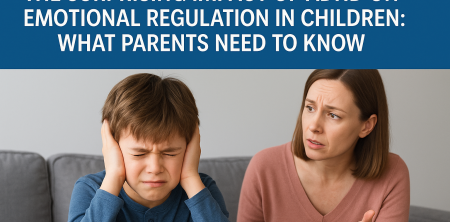
Children with ADHD may experience intense emotions that appear disproportionate to the situations that provoke them. For instance, a minor setback may lead to an overwhelming sense of frustration or sadness. The emotional responses can manifest as outbursts, mood swings, or withdrawal, making it essential to understand the underlying mechanisms that contribute to these behaviors.
The Neuroscience Behind Emotional Dysregulation in ADHD
The neurological underpinnings of ADHD reveal a complex interplay between brain regions responsible for attention, impulse control, and emotional regulation. Research indicates that the prefrontal cortex, which governs executive functions, plays a significant role in emotional regulation. In children with ADHD, studies have shown that there may be altered activity in this area, potentially leading to difficulties in processing and regulating emotions.
Moreover, the limbic system, which is heavily involved in emotional responses, can be hyperactive in children with ADHD. This hyperactivity can exacerbate emotional responses, making it challenging for children to modulate their feelings. Understanding these neurological factors can help parents and educators develop more effective strategies for managing emotional dysregulation.
Common Emotional Regulation Challenges Faced by Children with ADHD
Children diagnosed with ADHD often face several common challenges related to emotional regulation:
- Impulsivity: Children may act before they think, leading to inappropriate emotional responses.
- Frustration Tolerance: Many children with ADHD struggle with managing frustration, resulting in significant emotional outbursts.
- Low Emotional Awareness: Children may not recognize or understand their feelings, making it harder for them to communicate effectively.
- Difficulty with Transitions: Changing activities or routines can trigger strong emotional responses.
By identifying these challenges, parents and educators can implement strategies to help children navigate their emotions more effectively.
The Role of Parenting and Home Environment
Parenting practices can significantly influence a child's ability to regulate emotions. A supportive and understanding home environment fosters emotional intelligence and resilience. Parents can help their children with ADHD emotional regulation in children by employing consistent routines, providing clear expectations, and modeling appropriate emotional responses.
Positive reinforcement is another effective strategy. Celebrating small successes in emotional regulation can boost a child's confidence and encourage them to continue practicing these skills. Parents should also encourage open discussions about feelings, allowing children to express themselves and learn to articulate their emotions.
Effective Strategies for Educators
In educational settings, teachers play a pivotal role in supporting emotional regulation in children with ADHD. Implementing structured environments with clear rules can help mitigate impulsive behaviors and provide a sense of security. Here are some strategies educators can adopt: (See: CDC ADHD guidelines and information.)
- Visual Supports: Use visual schedules and cues to help children anticipate transitions and manage their day.
- Emotion Check-Ins: Regularly check in with students about their feelings, providing a safe space to discuss emotions.
- Mindfulness Practices: Introduce mindfulness exercises to help children develop self-awareness and emotional control.
- Behavioral Interventions: Employ behavior management strategies that focus on positive reinforcement and skill-building.
By integrating these methods, educators can create a more inclusive and supportive environment for children with ADHD.
Collaborating with Mental Health Professionals
For some children, the challenges of emotional regulation may necessitate intervention from mental health professionals. Therapists and counselors can provide tailored strategies and coping mechanisms to help children manage their emotions effectively. Cognitive-behavioral therapy (CBT) has been shown to be particularly beneficial for children with ADHD, equipping them with tools to understand and regulate their emotional responses.
Additionally, family therapy can be effective, as it encourages family members to work together to address emotional challenges. This collaborative approach ensures that children receive consistent support both at home and in school.
Building Emotional Intelligence in Children
Emotional intelligence is the ability to recognize, understand, and manage emotions in oneself and others. Building emotional intelligence is essential for children with ADHD, as it enhances their ability to navigate social situations and develop healthy relationships. Parents and educators can nurture emotional intelligence through various activities:
- Role-Playing: Engage children in role-playing scenarios to practice responding to different emotional situations.
- Storytelling: Use stories to discuss characters' emotions, helping children learn empathy and emotional recognition.
- Emotion Vocabulary: Teach children specific words to describe their feelings, expanding their emotional vocabulary.
By actively working on emotional intelligence, children with ADHD can improve their emotional regulation and enhance their overall quality of life.
Importance of Support Networks
Creating a robust support network is vital for children with ADHD and their families. Connecting with other parents of children with ADHD can provide invaluable insights and emotional support. Local and online support groups offer forums to share experiences, resources, and strategies for managing emotional dysregulation.
Additionally, engaging with educators and mental health professionals can further strengthen a child's support system. Collaborating with these stakeholders ensures that children receive a consistent message about emotional regulation and behavioral expectations.
Current Research and Trends in ADHD and Emotional Regulation
Current research continues to shed light on the intricacies of ADHD and its impact on emotional regulation. Studies are exploring the genetic, environmental, and neurobiological factors that contribute to emotional challenges in children with ADHD. New interventions and therapeutic approaches are also being developed, aiming to provide better support for affected children.
Furthermore, advancements in technology, such as mobile applications designed to aid emotional regulation, are gaining traction. These tools can empower children to monitor their emotions, practice coping strategies, and receive instant feedback on their progress.
Strategies for Parents: Daily Techniques for Emotional Regulation
In addition to general strategies, there are specific daily techniques that parents can implement to further support emotional regulation in their children with ADHD. Here are some practical methods:
- Routine Establishment: Consistent daily routines can provide children with a sense of predictability and security. Having set times for meals, homework, play, and bedtime can help children feel more in control and less anxious.
- Visual Emotion Charts: Create a chart that displays various emotions along with corresponding facial expressions. This can help children identify their feelings and communicate them more effectively.
- Calm Down Kits: Assemble a kit filled with calming tools such as stress balls, coloring books, or sensory toys. Encourage the child to use these items when they start feeling overwhelmed.
- Scheduled Emotion Discussions: Set aside time each week to talk about emotions and experiences. This can be a time for the child to express their feelings and reflect on their emotional responses.
These techniques can be integrated into daily life, fostering a more emotionally aware and resilient child. (See: NIH understanding of ADHD.)
Case Studies: Real-Life Applications of Emotional Regulation Strategies
To illustrate the effectiveness of various emotional regulation strategies, let’s explore a couple of case studies:
Case Study 1: Mindfulness in the Classroom
A second-grade teacher noticed that one of her students, Alex, frequently had outbursts during class, particularly when faced with challenging tasks. After consulting with the school's mental health counselor, she implemented short mindfulness exercises at the beginning of each class. Alex participated in these exercises, which included deep breathing and visualization techniques. Over time, his outbursts decreased, and he began to manage his emotions better, demonstrating improved focus in class.
Case Study 2: Family Therapy for Emotional Support
Another child, Mia, faced significant challenges with emotional regulation at home and school. After an initial assessment, her family started attending therapy sessions together. During these sessions, the therapist guided the family to practice emotional check-ins and constructive communication. Mia learned to articulate her feelings, while her parents gained better tools to support her. As a result, Mia's emotional outbursts became less frequent, and her relationships with both peers and family improved significantly.
Statistics and Data on ADHD and Emotional Regulation
Understanding the scope of challenges faced by children with ADHD can aid in driving awareness and support efforts. Here are some notable statistics:
- According to the CDC, approximately 6.1 million children aged 2-17 years in the United States have received an ADHD diagnosis.
- Research suggests that nearly 50% of children with ADHD also have some form of emotional dysregulation, which includes difficulties in managing emotions effectively.
- A study published in the Journal of Child Psychology and Psychiatry found that children with ADHD are three times more likely to experience anxiety disorders, which can compound challenges in emotional regulation.
- Longitudinal studies show that children with ADHD who receive early intervention and support are less likely to experience significant emotional regulation challenges in adolescence and adulthood.
These statistics highlight the importance of timely intervention and support for children with ADHD, emphasizing the need for comprehensive emotional regulation strategies.
Challenges in Identifying Emotional Dysregulation in ADHD
Identifying emotional dysregulation in children with ADHD can present unique challenges. Parents and educators often find it difficult to distinguish between typical emotional responses and those that are exacerbated by ADHD. Here are some factors that complicate the identification process:
- Overlap with Other Conditions: Emotional dysregulation can co-occur with other mental health conditions, such as anxiety and depression, leading to misdiagnosis.
- Variability in Emotional Responses: Emotional responses can vary widely from child to child. What is a minor frustration for one child may be a major crisis for another, complicating the assessment of emotional regulation.
- Stigmatization and Misunderstanding: Children with ADHD are sometimes labeled as "difficult" or "troublesome," which can lead to a lack of understanding and support from peers and adults.
Recognizing these challenges is essential in ensuring that children receive accurate assessments and appropriate interventions to support their emotional regulation.
Common Myths about ADHD and Emotional Regulation
Despite increasing awareness, several myths persist regarding ADHD and emotional regulation. Debunking these myths is crucial for fostering a better understanding of the condition:
- Myth 1: Children with ADHD are just "acting out" for attention.
Truth: While children with ADHD may display impulsive behavior, these actions often stem from genuine difficulties in regulating emotions and impulses, not a desire for attention. - Myth 2: Emotional dysregulation in children with ADHD is just a phase that they will outgrow.
Truth: Emotional regulation difficulties can persist into adolescence and adulthood if not adequately addressed through support and intervention. - Myth 3: ADHD is solely a behavioral issue.
Truth: ADHD encompasses a range of cognitive, emotional, and social challenges that require a comprehensive approach to management.
Eliminating these myths can help caregivers and educators approach children with ADHD with empathy and understanding.
FAQ Section: Addressing Common Concerns about ADHD Emotional Regulation
What are some signs that my child may struggle with emotional regulation due to ADHD?
Signs may include frequent mood swings, intense emotional outbursts, difficulty calming down after being upset, and challenges in recognizing their feelings or the feelings of others.
How can I help my child build emotional regulation skills at home?
Encourage open dialogue about feelings, use visual aids to help them identify emotions, and model appropriate emotional responses. Engage in activities that promote emotional intelligence, such as role-playing and discussing stories.
Are there specific therapies that can help with emotional regulation in children with ADHD?
Cognitive-behavioral therapy (CBT) is one of the most effective therapies for children with ADHD, particularly in managing emotional regulation. Other therapies, such as dialectical behavior therapy (DBT) focusing on emotion regulation skills, can also be beneficial.
How can teachers support emotional regulation in the classroom?
Teachers can create a structured environment, implement regular check-ins about emotions, foster a safe space for expression, and use positive behavior reinforcement strategies to encourage emotional regulation.
What role does medication play in managing ADHD and emotional regulation?
While medication can be effective in managing core ADHD symptoms, it is not a standalone solution for emotional regulation. Combining medication with behavioral therapy and emotional support strategies offers the best outcomes for many children.
Conclusion: A Path Forward for Families and Educators
Understanding the relationship between ADHD and emotional regulation is crucial in supporting children effectively. By fostering a nurturing environment, employing effective strategies, and building strong support networks, parents and educators can help children navigate their emotional landscape more successfully. Together, we can empower children with ADHD to thrive academically and socially, transforming challenges into opportunities for growth.
In conclusion, addressing ADHD emotional regulation in children is an ongoing journey that requires dedication, patience, and collaboration. By equipping ourselves with knowledge and resources, we can create a brighter future for children with ADHD and help them develop the skills they need to succeed in life.
```
Trending Now
- our breakdown of understanding emotional intelligence vs. social skills: a student’s guide to success
- 9 Essential Strategies for Supporting a…
- 15 Essential ADHD Study Strategies for…
- this guide on unlocking the secrets: why middle schoolers with adhd struggle with executive function
Frequently Asked Questions
How does ADHD affect emotional regulation in children?
ADHD significantly impacts emotional regulation, causing children to experience intense emotions that may seem disproportionate to the triggering situation. This can result in outbursts, mood swings, or withdrawal, making it essential for parents and educators to understand and support these emotional responses.
What are the symptoms of ADHD related to emotional regulation?
Children with ADHD may struggle with impulsivity, mood swings, and difficulty managing frustration or sadness. These symptoms can lead to emotional outbursts or withdrawal, highlighting the importance of recognizing emotional regulation challenges in affected children.
What is the neuroscience behind emotional dysregulation in ADHD?
The neuroscience of ADHD reveals altered activity in the prefrontal cortex, which is crucial for executive functions and emotional regulation. Additionally, the limbic system, responsible for emotional responses, plays a significant role in the emotional challenges faced by children with ADHD.
How can parents help children with ADHD manage their emotions?
Parents can support children with ADHD by providing a structured environment, teaching emotional regulation strategies, and encouraging open communication. Understanding their child's emotional triggers and responding with empathy can also foster better emotional management.
What are effective strategies for educators dealing with ADHD in the classroom?
Educators can employ strategies such as clear expectations, consistent routines, and positive reinforcement to support children with ADHD. Additionally, incorporating social-emotional learning can help these students develop better emotional regulation skills in the classroom.
What did we miss? Let us know in the comments and join the conversation.

