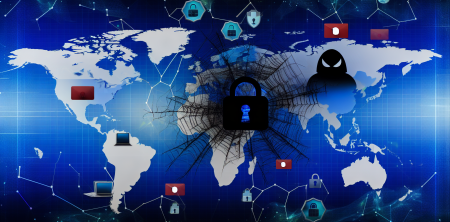
A major cyberattack personal data breach has sent shockwaves across the globe, affecting approximately 500 million users with compromised personal information. This incident, which security experts are labeling as the largest breach of 2026, has exposed a wide array of sensitive data including banking details, social security numbers, and medical records. The implications of this breach are staggering, and the fallout is expected to be felt for years to come.
The Scale of the Breach: What We Know So Far
The scale of this cyberattack personal data breach is unprecedented, impacting individuals across multiple continents. The compromised data includes personal identifiers that are crucial for various aspects of daily life. Specifically, the breach has affected:
- Banking Information: Account numbers, passwords, and in some cases, direct access to users' bank accounts.
- Social Security Numbers: Essential for identity verification and financial transactions.
- Medical Records: Sensitive health information that could lead to further vulnerabilities.
According to cybersecurity analysts, the attack was carried out by a previously unknown hacking collective. This group has quickly gained notoriety for exploiting a zero-day vulnerability in widely-used cloud infrastructure software. Such vulnerabilities are particularly dangerous, as they allow hackers to execute malicious activities before the software developers have an opportunity to issue a patch.
A Multi-Faceted Attack
This cyberattack personal data breach did not target a single entity but rather a broad range of institutions including:
- Financial Institutions: Banks and credit unions that manage users' financial transactions.
- Healthcare Providers: Hospitals and clinics that maintain sensitive health records.
- Government Agencies: Organizations that require secure handling of citizens' data for various public services.
By infiltrating these entities simultaneously, the attack maximized its impact and raised alarms among cybersecurity professionals.
Immediate Reactions and Emergency Declarations
In the aftermath of the breach, governments around the world have declared a state of emergency. The US Department of Homeland Security has issued urgent guidance for citizens to monitor their accounts closely. Citizens are advised to:
- Regularly check their bank statements for unauthorized transactions.
- Freeze their credit to prevent identity theft.
- Change passwords for online banking and sensitive accounts.
The urgency of these measures reflects the fear that many users feel, knowing that their personal data could be leveraged for financial gain by cybercriminals.
The Dark Web: A Marketplace for Stolen Data
Preliminary reports indicate that the stolen data is already being actively traded on the dark web. Cybersecurity firms are engaged in ongoing investigations to assess the full scope of the breach and to track down the individuals responsible. Some of the compromised information is reportedly being used for identity theft and fraudulent transactions, further complicating efforts to contain the fallout.
The ease with which stolen data can be bought and sold on the dark web has exacerbated fears among individuals whose data may be compromised. For many, this breach represents more than just a loss of privacy; it poses a tangible financial risk that could affect their lives for years to come.
Long-term Implications and the Path Forward
The cyberattack personal data breach raises significant questions about the security protocols employed by major institutions and the long-term implications of such a large-scale failure. Experts predict that this incident will lead to a reevaluation of cybersecurity practices across various sectors.
A Call for Enhanced Cybersecurity Measures
In light of this breach, institutions may be compelled to:
- Invest in Advanced Security Solutions: Implementing next-generation firewalls and intrusion detection systems to thwart future attacks.
- Conduct Regular Security Audits: Ensuring that all software is up-to-date and that vulnerabilities are addressed promptly.
- Educate Employees and Users: Offering training on recognizing phishing attempts and other tactics used by cybercriminals.
Moreover, governments may need to implement stricter regulations regarding data protection, holding organizations accountable for negligence in safeguarding personal information.
Public Sentiment and the Need for Transparency
The cyberattack personal data breach has sparked widespread outrage among the public, with many individuals questioning how their personal data was left vulnerable. There is a growing demand for transparency from both corporations and government agencies regarding how personal data is collected, stored, and protected.
Many users feel that they have a right to be informed about breaches that affect their personal information and that organizations should be more proactive in their communication during such crises.
What Individuals Can Do
As investigations continue, individuals can take proactive steps to protect themselves from potential fallout:
- Enable Two-Factor Authentication: Adding an extra layer of security to personal accounts.
- Monitor Credit Reports: Keeping an eye on any unusual activity that could indicate identity theft.
- Be Cautious with Personal Information: Reducing the amount of sensitive data shared online.
By taking these measures, individuals can help mitigate their risk in a world where cyberattacks are increasingly common.
The Role of Cybersecurity Firms
In the wake of this devastating breach, cybersecurity firms have been called upon to play a crucial role in investigating the incident and helping to secure vulnerable systems. These firms are employing advanced techniques to track down the perpetrators and to understand the intricacies of the attack.
Collaborations and Information Sharing
The attack has prompted a surge in collaboration among cybersecurity experts and organizations worldwide. Sharing information about vulnerabilities and attack patterns is vital for strengthening defenses against future incidents. This incident could lead to a more unified approach to cybersecurity, as institutions understand that the threat is not confined to a single entity.
Conclusion: Navigating a New Reality
The magnitude of the cyberattack personal data breach affecting 500 million users serves as a stark reminder of the vulnerabilities present in our digital world. As institutions rush to assess the damage and implement stronger security measures, individuals must also take steps to protect themselves.
The incident underscores the necessity for vigilance, transparency, and a collective effort to fortify our defenses against the ever-evolving threat of cybercrime. In a landscape where personal data is increasingly under siege, both institutions and individuals must adapt to navigate this new reality.

