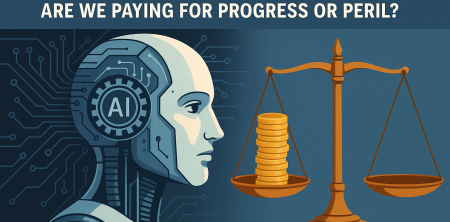
Alright, let's talk about AI in our schools. It's 2026, and the buzz around artificial intelligence isn't just background noise anymore; it's a full-blown symphony, or maybe a cacophony, depending on who you ask. We're seeing AI tools touted as the next great leap in education, promising everything from hyper-personalized learning paths to automated grading that frees up teachers for more meaningful interactions. But here's the thing: while we're all nodding along to the potential benefits, are we really looking at the whole picture when it comes to the cost of AI integration in schools? I'm not just talking about the sticker price of a new software license. No, I'm talking about the deep, sometimes hidden, financial implications of doing this ethically, responsibly, and in a way that truly serves our students and educators. This isn't just a tech rollout; it's a paradigm shift that demands careful budgeting for things far beyond hardware and subscriptions.
Beyond the Software: The Real Financial Landscape of AI in Education
When school administrators first eye AI solutions, their minds often jump straight to procurement. What's the subscription fee for that AI tutor? How much for a license to the plagiarism detection software? These are, of course, legitimate line items. But they represent just the tip of the iceberg. The true financial landscape of integrating AI ethically into our education system is far more complex and sprawling. It encompasses a range of expenditures that, if overlooked, can lead to significant problems down the line – from legal liabilities to a breakdown in trust within the school community. Think about it: we're talking about technology that interacts directly with our students' learning, their data, and even their developing critical thinking skills. This isn't a new whiteboard; it's a fundamental change to the learning environment, and that kind of change comes with a substantial, multifaceted price tag.
Many districts, in their eagerness to embrace innovation, might initially underestimate these ancillary costs. They might see an AI tool as a simple plug-and-play solution, much like adopting a new learning management system. But AI is different. Its algorithms learn, adapt, and make decisions, often in ways that aren't immediately transparent. This inherent complexity means that the initial purchase price is just the down payment on a much larger investment, one that requires continuous allocation of resources for oversight, adaptation, and human expertise. Failing to budget for these crucial elements isn't just fiscally irresponsible; it's ethically negligent, potentially leaving schools vulnerable to unforeseen challenges and undermining the very educational mission they seek to enhance.
The Indispensable Investment in Staff Training and Professional Development
Let's be blunt: you can buy the most sophisticated AI system on the market, but if your educators don't know how to use it effectively, critically, and ethically, it's just an expensive paperweight. This is where a significant portion of the cost of AI integration in schools truly lies: in human capital development. Teachers aren't just facilitating learning anymore; they're becoming curators of AI-powered experiences, needing to understand how these tools work, what their limitations are, and how to guide students in their responsible use.
This isn't a one-off training session either. We're talking about ongoing professional development. Educators need to understand concepts like algorithmic bias – how an AI might inadvertently perpetuate stereotypes or inequities based on the data it was trained on. They need to learn how to interpret AI-generated insights, rather than just blindly accepting them. They must be equipped to teach students about AI literacy, critical thinking in an AI-saturated world, and the ethical implications of using these tools for everything from research to creative projects. This requires dedicated workshops, sustained coaching, and opportunities for peer-to-peer learning. Budgeting for substitute teachers, stipends for after-hours training, and specialized external consultants will be essential. This isn't a luxury; it's a fundamental requirement for successful and ethical AI adoption.
Navigating the Labyrinth of Data Privacy and Compliance
Here’s where things get really intricate, and frankly, a bit scary if not handled properly: data privacy. When AI tools enter the classroom, they often gobble up vast amounts of student data – learning patterns, performance metrics, engagement levels, and sometimes even biometric information. This data is the fuel for AI, allowing it to personalize experiences. But it also represents a colossal responsibility, and a significant part of the cost of AI integration in schools.
Schools must comply with a dizzying array of regulations, from FERPA (Family Educational Rights and Privacy Act) in the U.S. to GDPR (General Data Protection Regulation) in Europe, and increasingly, state-specific privacy laws. Ensuring compliance isn't just about checking boxes; it involves robust data governance frameworks, secure storage solutions, and stringent access controls. This means investing in data security infrastructure, potentially hiring specialized legal counsel to review vendor contracts and ensure data processing agreements are watertight, and possibly even bringing on dedicated data privacy officers. The financial penalties for breaches can be astronomical, not to mention the irreparable damage to a school's reputation and trust with parents. We're talking about budgeting for ongoing audits, penetration testing, and incident response planning – because it's not a matter of 'if' a data privacy challenge arises, but 'when.' (See: U.S. Department of Education resources.)
Addressing Algorithmic Bias and Promoting Equity
One of the most profound ethical challenges with AI is the potential for algorithmic bias. If an AI system is trained on data that reflects societal inequalities – for instance, if it’s predominantly trained on data from a particular demographic or socioeconomic group – it can inadvertently perpetuate or even amplify those biases. This isn't just an abstract concept; it can have tangible, detrimental effects on students, particularly those from marginalized communities. Imagine an AI tutoring system that struggles to understand certain accents, or an AI assessment tool that unfairly grades students from specific cultural backgrounds. For more context, see the financial implications of education investments.
Addressing this isn't free. It involves a proactive and continuous effort, which translates directly into financial outlay. Schools need to invest in tools and expertise for auditing AI systems for bias, ensuring that the data used to train these systems is diverse and representative, and establishing feedback loops to identify and correct biases as they emerge. This might mean partnering with external ethics consultants, dedicating staff time to AI impact assessments, and even influencing vendor choices to prioritize those committed to equitable AI development. The cost of *not* addressing bias is far greater: it's the cost of widening achievement gaps, fostering discrimination, and failing in our fundamental mission to provide equitable education for all students. This is a crucial, often overlooked, aspect of the cost of AI integration in schools.
The Need for Transparency and Explainability in AI Systems
Have you ever wondered how an AI makes a particular recommendation or decision? In many cases, it's a black box. This lack of transparency, or explainability, is a major ethical concern in education. If an AI tool suggests a specific learning path for a student, or if an automated grading system assigns a particular score, educators and parents need to understand *why*. Without this clarity, trust erodes, and it becomes impossible to truly leverage the benefits of AI or intervene when something goes awry.
Demanding transparency from AI vendors comes with its own set of costs. It might mean opting for more expensive, but more explainable, AI solutions. It could involve investing in forensic AI tools that can reverse-engineer decisions, or dedicating staff time to meticulously document and review AI outputs. Furthermore, schools will need to develop clear communication protocols to explain AI functionalities and decisions to parents and students. This isn't just about technical audits; it's about fostering an environment of accountability and understanding. Budgeting for these efforts ensures that AI remains a tool that supports human judgment, rather than replacing it with an inscrutable digital oracle.
Mitigating Risks: Plagiarism, Misinformation, and Over-Reliance
The rise of generative AI has thrown a massive wrench into the gears of academic integrity. Plagiarism, while not new, has taken on a new dimension, and surprisingly, the data suggests cheating rates haven't necessarily surged but rather that there's a profound confusion about what constitutes appropriate AI use. This confusion alone is a problem we need to tackle, and it adds another layer to the cost of AI integration in schools.
Schools must invest in sophisticated AI detection tools, which themselves are constantly evolving and require ongoing subscriptions. But detection is only part of the solution. Far more important is the investment in teaching students *how* to use AI ethically, how to cite AI-generated content (if at all), and how to distinguish between AI-generated misinformation and credible sources. This means curriculum redesign, faculty training on new assessment strategies, and fostering a culture where critical thinking and original thought are valued above all else. We also need to be wary of over-reliance on AI, which could diminish students' innate problem-solving and critical thinking skills. This requires educators to thoughtfully integrate AI, ensuring it enhances, rather than supplants, fundamental learning processes. All of these proactive measures require budgetary allocation, from developing new guidelines to creating educational modules for students.
Ongoing Monitoring, Auditing, and Adaptation
AI isn't a static technology; it's dynamic. It learns, it evolves, and frankly, it can drift. What's ethically sound today might present unforeseen challenges tomorrow as the algorithms adapt or new data is introduced. This necessitates continuous, rigorous monitoring and auditing, a significant and often underestimated component of the cost of AI integration in schools. (See: New York Times on AI in education.)
Schools will need to establish dedicated teams or allocate existing personnel to oversee the performance of AI systems. This includes regular checks for bias, ensuring data privacy protocols remain robust, and verifying that the AI is still aligning with educational goals. Think of it like a digital maintenance crew, constantly inspecting and fine-tuning. This might involve purchasing specialized auditing software, engaging external AI ethics consultants for periodic reviews, and dedicating staff time to analyze user feedback and performance reports. Furthermore, the regulatory landscape around AI is still nascent and rapidly changing. Schools must budget for ongoing legal counsel and policy review to ensure they remain compliant with evolving legislation. This iterative process of monitoring, evaluating, and adapting is critical for maintaining an ethical and effective AI environment in our schools. For more context, see the urgent shift in educational programs.
The Intangible Costs: Trust, Critical Thinking, and Human Connection
While we've focused heavily on the direct financial costs, it's crucial to acknowledge the intangible costs, which can have profound long-term impacts on our educational ecosystem. The erosion of trust, for instance, is a silent killer. If students, parents, or even educators feel that AI is being used irresponsibly, unfairly, or without transparency, it can damage the very fabric of the school community. This loss of trust isn't something you can quantify on a balance sheet, but its consequences – disengagement, resentment, and a reluctance to embrace future innovations – are very real.
Then there's the concern about critical thinking. If students become overly reliant on AI for generating answers or solving problems, do they lose the muscle memory of independent thought and deep analysis? Are we inadvertently creating a generation that can regurgitate AI-generated content but struggles with genuine inquiry? This is a pedagogical challenge that demands careful consideration and, frankly, proactive investment in teaching methodologies that prioritize human intellect over algorithmic output. And let's not forget the human connection. Education is fundamentally a human endeavor. While AI can personalize learning, it can never fully replicate the empathy, mentorship, and spontaneous interaction that a skilled teacher provides. Ensuring AI enhances, rather than diminishes, these invaluable human elements requires deliberate planning and, yes, financial resources to empower teachers to focus on what AI cannot do.
Examining the Return on Investment (ROI) of Ethical AI
When we talk about the cost of AI integration in schools, it's important to also consider the return on investment (ROI). However, with AI, especially ethical AI, the ROI isn't always measured in immediate financial gains. It's often about long-term sustainability, student well-being, and future preparedness. For example, investing in robust data privacy measures might seem like a pure cost, but it protects the school from potentially catastrophic legal fees and reputational damage down the line. That's a huge return, even if it's preventative.
Similarly, dedicating resources to combating algorithmic bias ensures that all students receive equitable opportunities, which translates into better educational outcomes for the entire student body. This improvement in equity and achievement isn't just good for society; it can lead to higher graduation rates, better college readiness, and a more engaged community, all of which have tangible, if not immediately monetized, benefits. The ROI of ethical AI is also found in fostering digital literacy among students. Equipping them to critically evaluate AI-generated information and use these tools responsibly is an investment in their future workforce readiness. A generation of students who understand AI's capabilities and limitations will be better prepared for a world where AI is ubiquitous, making them more valuable contributors to the economy and society. So, while the upfront costs can be significant, the long-term returns in trust, equity, safety, and student preparedness are invaluable.
Expert Perspectives on Funding Ethical AI Initiatives
It's not just me saying this; leading experts in educational technology and AI ethics are echoing these sentiments. Dr. Kate Crawford, a distinguished research professor and author on AI, consistently highlights the hidden labor and environmental costs of AI, urging organizations to look beyond the immediate software price. For schools, this translates to considering the energy consumption of AI servers, the human effort involved in data labeling and maintenance, and the overall ecological footprint, all of which contribute to the holistic cost. For more context, see critical lifelines in education. (See: Research on AI's impact in education.)
From a policy standpoint, organizations like the AI Education Project (AIEDU) advocate for comprehensive funding models that include not just technology acquisition, but extensive teacher training and curriculum development focused on AI literacy and ethics. They stress that without a significant investment in human capacity, even the best AI tools will fail to deliver on their promise. Furthermore, discussions with school IT directors often reveal that "shadow IT" – departments or teachers adopting AI tools without central IT oversight – creates unforeseen security risks and integration challenges. These informal adoptions might seem cost-free initially, but they often lead to much higher remediation costs later on when data breaches or system incompatibilities arise. This emphasizes the need for a centralized, well-funded approach to AI governance from the outset.
Crafting a Comprehensive Budget for Ethical AI Integration
So, how do school administrators actually budget for all of this? It requires a shift in mindset from simply purchasing software to investing in a comprehensive AI ecosystem. Here’s a breakdown of areas that absolutely must be included in your budgeting for the cost of AI integration in schools:
- Technology Acquisition & Licensing: The obvious part – software subscriptions, hardware upgrades, and integration costs for AI tools.
- Professional Development: Extensive and ongoing training for all staff (teachers, administrators, IT support) on AI literacy, ethical use, tool specific functionalities, and new pedagogical approaches. This includes substitute teacher costs, stipends, and external expert fees.
- Data Governance & Security: Investment in robust cybersecurity infrastructure, data encryption, secure storage, data privacy officer roles, legal consultation for compliance (FERPA, GDPR, state laws), and regular security audits.
- Ethical AI Oversight: Funds for AI bias auditing tools, partnerships with AI ethics consultants, impact assessment frameworks, and dedicated staff time for monitoring AI fairness and equity.
- Curriculum & Assessment Redesign: Resources for developing new curriculum modules on AI literacy and ethics for students, revising assessment strategies to mitigate AI-driven plagiarism, and creating guidelines for appropriate AI use.
- Technical Support & Maintenance: Dedicated IT staff with AI expertise, ongoing vendor support contracts, and resources for troubleshooting and system updates.
- Legal & Policy Development: Budget for legal reviews of AI contracts, development of school-specific AI use policies, and staying current with evolving AI regulations.
- Research & Pilot Programs: Allocating funds for piloting new AI tools on a smaller scale to assess effectiveness and ethical implications before widespread adoption.
This isn't just about spending more money; it's about spending it smarter, with a clear understanding that ethical integration is not a luxury, but a non-negotiable prerequisite for AI success in education. Without this holistic approach, the promise of AI in schools risks becoming an expensive, ethically fraught liability.
Frequently Asked Questions about the Cost of AI Integration in Schools
- What's the biggest hidden cost of AI integration?
- Often, the biggest hidden costs are related to ongoing staff training and data governance. Many schools underestimate the continuous professional development needed for educators to effectively and ethically use AI, and the significant investment required for robust data privacy infrastructure and compliance.
- Can't schools just use free AI tools to save money?
- While free AI tools exist, they often come with significant trade-offs, particularly regarding data privacy, security, and algorithmic bias. These tools might not offer the same level of data protection or transparency as paid, enterprise-grade solutions, potentially exposing schools to greater risks. The "cost" of using free tools can be much higher in terms of data breaches, legal liabilities, and compromised student trust.
- How much should a school budget for AI training per teacher?
- This varies widely based on the complexity of the AI tools and the depth of training required. However, a good starting point is to consider not just the workshop fees, but also the cost of substitute teachers, stipends for out-of-hours training, and ongoing coaching. Budgeting for at least 20-40 hours of dedicated professional development per teacher per year for the initial few years of AI integration is a reasonable estimate, with costs ranging from a few hundred to over a thousand dollars per teacher annually, depending on resources and external expertise.
- What are the legal implications if a school doesn't properly budget for data privacy with AI?
- Failing to budget for robust data privacy can lead to severe legal and financial repercussions. Schools could face hefty fines under regulations like FERPA or GDPR if student data is mishandled or breached. Beyond fines, there's the cost of legal fees, damage control, and potential lawsuits from parents. The long-term damage to a school's reputation and the erosion of trust within the community can be even more detrimental.
- Is there government funding available to help schools with AI integration costs?
- Some governments and educational bodies are beginning to offer grants or specific funding initiatives for technology integration, including AI. It's crucial for schools to actively research federal, state, and local educational grants, as well as grants from philanthropic organizations focused on educational innovation and digital equity. Leveraging these external funds can significantly offset the direct costs of ethical AI integration.
The Path Forward: Investing in a Responsible AI Future
Integrating AI into our schools presents an incredible opportunity to transform learning, but it's an opportunity fraught with peril if we don't approach it with a clear-eyed understanding of the true costs involved. We can't simply buy AI tools and hope for the best. We have to proactively invest in the people, processes, and ethical frameworks that will ensure these powerful technologies serve our students responsibly and equitably. The financial implications extend far beyond the initial purchase, encompassing everything from ongoing teacher training to robust data privacy safeguards and continuous ethical oversight. As educators, administrators, and stakeholders, it's our collective responsibility to ensure that the cost of AI integration in schools is budgeted not just for technological advancement, but for the very soul of our educational mission. Let's make sure we're paying for progress, not unintended peril.
Trending Now
Frequently Asked Questions
What are the hidden costs of AI in schools?
The hidden costs of AI in schools extend beyond software subscriptions to include legal liabilities, data privacy concerns, and the need for ongoing training and support for educators. Additionally, integrating AI can disrupt existing educational practices, requiring budget considerations for infrastructure and community trust.
How does AI impact education funding?
AI can strain education funding as schools must allocate resources not only for technology but also for training staff, maintaining data security, and addressing potential legal issues. This multifaceted investment is crucial for ensuring that AI integration benefits students and educators effectively.
Are AI tools worth the investment in education?
While AI tools promise personalized learning and efficiency, their true value lies in careful, responsible integration. Schools must weigh the potential benefits against the broader financial implications, including ongoing support and ethical considerations, to determine if the investment is justified.
What ethical considerations are there with AI in education?
Ethical considerations include data privacy, the potential for bias in AI algorithms, and the impact on student learning outcomes. Schools must ensure that AI tools are used responsibly, maintaining transparency and trust within the school community while prioritizing student welfare.
How can schools prepare for AI integration?
Schools can prepare for AI integration by conducting thorough cost analyses, investing in staff training, and creating clear policies on data usage and privacy. Engaging with the community and stakeholders is essential to ensure that the implementation is ethical and serves the best interests of students.
What's your take on this? Share your thoughts in the comments below — we read every one.


0 Responses