For years, diet soda has been marketed as the guilt-free indulgence, the smart choice for those watching their weight or managing blood sugar. It promised all the fizzy satisfaction without the caloric cost, a seemingly perfect solution for a health-conscious society. But what if that seemingly innocent swap came with a hidden price, one that could affect the very core of who you are: your brain?
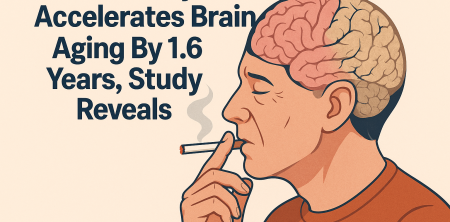
A groundbreaking study, hot off the presses on August 4, 2026, has just thrown a massive wrench into that popular perception. It’s an observational study, meaning it tracks trends rather than proving direct cause-and-effect, but its findings are certainly compelling. What it revealed is a surprising and rather alarming link between the daily consumption of certain low- and no-calorie artificial sweeteners – the very ingredients that make diet sodas taste sweet – and a significantly faster decline in cognitive function. We're talking about tangible measures like memory, verbal fluency, and overall thinking ability. This isn't just a minor blip; for those under 60, the highest intake of these sweeteners was associated with a staggering 62% faster cognitive decline. To put that into perspective, the researchers equated it to an additional 1.6 years of brain aging. That's a pretty heavy tab for a zero-calorie drink, wouldn't you say? The implications for diet soda brain health are suddenly a lot more complex than we once thought.
The Study That Shook the Soda Aisle
Let's dive a bit deeper into this pivotal research. The study, published recently, wasn't some small-scale experiment in a lab. It was a large-scale, observational analysis that meticulously tracked data from a substantial cohort of 12,772 adults over an impressive eight-year period. Eight years is a significant chunk of time, allowing researchers to observe patterns and changes in cognitive function that might not be apparent over shorter durations. This long-term perspective lends considerable weight to the findings, moving beyond anecdotal evidence to a more statistically robust correlation.
The researchers specifically focused on several commonly used artificial sweeteners: aspartame, saccharin, and acesulfame potassium. These are the sweetening agents found in countless 'diet' and 'sugar-free' products, from your favorite diet cola to sugar-free yogurts and chewing gum. The methodology involved tracking participants' dietary habits, including their consumption of these sweeteners, and regularly assessing their cognitive abilities through a battery of tests. By comparing the cognitive trajectories of those who consumed these sweeteners frequently against those who did not, a clear and concerning pattern began to emerge. It paints a picture that challenges the very foundation of diet beverage marketing and raises serious questions about diet soda brain health.
Unpacking the 62% Faster Decline: What Does It Really Mean?
When the study states a '62% faster cognitive decline,' it's not just a number to gloss over. It represents a substantial acceleration in the rate at which an individual's mental faculties diminish. Imagine two people, both starting at the same baseline cognitive level. The one consistently consuming high levels of artificial sweeteners might experience the kind of memory lapses, word-finding difficulties, or slower processing speed that their non-sweetener-consuming counterpart would only encounter nearly two years later. This isn't about immediate, drastic impairment, but rather a subtle, insidious erosion over time that could compound significantly over a lifetime.
For adults under 60, this finding is particularly stark. This demographic is often at the peak of their professional and personal lives, where sharp cognitive function is paramount. A decline that mimics 1.6 additional years of aging in this group could have tangible impacts on productivity, learning new skills, and maintaining overall mental agility. It prompts a critical re-evaluation of the 'healthy alternative' narrative around diet sodas. Are we, in our pursuit of avoiding sugar, inadvertently accelerating a decline in our most precious organ? The potential long-term ramifications for quality of life and independence are profound, making the conversation around diet soda brain health more urgent than ever.
The Artificial Sweeteners Under the Microscope
It's crucial to understand which specific artificial sweeteners are implicated here. The study pointed fingers at aspartame, saccharin, and acesulfame potassium. Let's break down each one briefly:
- Aspartame: Perhaps the most well-known, aspartame has been a subject of debate for decades. It's found in thousands of food products and diet beverages. When digested, it breaks down into aspartic acid, phenylalanine, and a small amount of methanol. While regulatory bodies like the FDA deem it safe at current consumption levels, ongoing research continues to explore its long-term effects.
- Saccharin: One of the oldest artificial sweeteners, saccharin gained popularity during sugar shortages. It's often found in 'pink packet' sweeteners and some diet drinks. Concerns about its safety arose in the 1970s, but subsequent research largely cleared it, though discussions about its metabolic impact persist.
- Acesulfame Potassium (Ace-K): Often used in combination with other sweeteners, Ace-K is heat-stable and found in many diet sodas, baked goods, and dairy products. It passes through the body largely unchanged.
The key takeaway here is that these aren't just abstract chemicals; they are ubiquitous in our food supply. Simply switching from a full-sugar soda to a 'zero-sugar' version often means swapping out sucrose for one or a combination of these very sweeteners. This study suggests that this exchange, while seemingly beneficial for caloric intake, might come with an unforeseen cost to diet soda brain health. It underscores the complexity of evaluating food additives and the need for continuous, rigorous scientific inquiry. (See: Artificial sweeteners and health effects.)
Beyond Diet Soda: Where Else Do These Sweeteners Lurk?
While diet soda is a primary vehicle for these artificial sweeteners, it's far from the only one. If you're looking to reduce your intake based on this new research, you'll need to become a label-reading detective. These sweeteners are practically everywhere in products marketed as 'sugar-free,' 'light,' or 'diet.' Think about your morning routine:
- Yogurt: Many 'light' or 'sugar-free' yogurts rely on aspartame or sucralose (another common artificial sweetener, though not specifically highlighted in this study, it often appears alongside the others) to maintain sweetness without the added sugar.
- Chewing Gum: Nearly all sugar-free chewing gums contain artificial sweeteners.
- Cereals: Some low-sugar or diet-friendly cereals incorporate them.
- Condiments and Sauces: Certain 'sugar-free' ketchups, salad dressings, and barbecue sauces use artificial sweeteners.
- Protein Powders and Supplements: Many athletic and dietary supplements use these to improve taste without adding calories.
- Processed Foods: From some baked goods to diet candies and even certain medications, these sweeteners are pervasive.
The sheer ubiquity means that even if you cut out diet sodas, you might still be consuming significant amounts of these compounds through other sources. This highlights the challenge for consumers and reinforces the need for greater transparency and education regarding ingredient lists. Understanding the full landscape of artificial sweetener consumption is vital for anyone concerned about their diet soda brain health and overall well-being.
The Social Media Buzz and Public Reaction
It's probably no surprise that a study like this, directly challenging a widely accepted 'healthy' habit, has ignited a firestorm of discussion online. Social media platforms are buzzing with conversations, debates, and personal anecdotes. People are actively sharing the news, tagging friends, and, perhaps most importantly, checking the ingredient labels on their favorite 'diet' products. I've seen countless posts from individuals expressing shock, frustration, and a sense of betrayal. One user wrote, "I switched to diet soda years ago to be healthier, and now THIS? I feel completely duped!" Another commented, "Suddenly, my afternoon diet coke doesn't feel so guilt-free. What are we supposed to drink?"
This widespread reaction isn't just about sharing information; it reflects a deeper public concern about food safety and the trustworthiness of health recommendations. For years, we've been told that artificial sweeteners are safe and a smart alternative to sugar. To have a major study suggest otherwise, especially concerning something as vital as brain health, naturally leads to skepticism and a demand for clearer guidance. This isn't just a niche health topic anymore; it's a mainstream discussion that underscores the evolving public understanding of diet soda brain health and the complex relationship between diet and disease.
What's the Mechanism? Connecting Sweeteners to Cognitive Decline
It's one thing to observe a correlation, but it's another to understand why it might be happening. While this was an observational study and didn't directly prove causation or mechanisms, scientists have put forth several hypotheses for how artificial sweeteners might impact brain health. It's not as simple as 'sweetener equals brain damage,' but rather a complex interplay of physiological processes: impact of artificial sweeteners offers useful background here.
- Gut Microbiome Disruption: Emerging research increasingly links gut health to brain health (the 'gut-brain axis'). Artificial sweeteners have been shown to alter the composition and function of gut bacteria. A dysregulated microbiome can lead to inflammation, changes in neurotransmitter production, and impaired gut barrier function, all of which could potentially affect brain function and accelerate cognitive decline.
- Metabolic Dysregulation: Despite being calorie-free, some studies suggest artificial sweeteners might still impact glucose metabolism and insulin sensitivity. This could occur through various pathways, including altering gut hormone release or even influencing the brain's reward pathways. Chronic metabolic dysregulation is a known risk factor for cognitive impairment and neurodegenerative diseases.
- Altered Brain Chemistry and Reward Pathways: The brain processes sweetness differently when it comes from artificial sweeteners versus real sugar. Some theories suggest that the disconnect between intense sweetness and zero calories can confuse the brain's reward system, potentially leading to increased cravings, overeating, or alterations in neurotransmitter balance that could indirectly affect cognitive function.
- Inflammation: Chronic low-grade inflammation is a contributor to many age-related diseases, including cognitive decline. If artificial sweeteners contribute to inflammation, either directly or indirectly through gut disruption, this could be a contributing factor to the observed accelerated aging effect on the brain.
These are complex biological pathways, and much more research is needed to definitively pinpoint the exact mechanisms. However, these hypotheses provide plausible avenues for further investigation and underscore that the 'inert' nature of artificial sweeteners might be a far more complicated story than previously thought, especially concerning diet soda brain health.
The Observational Study Caveat: Correlation vs. Causation
It's absolutely critical to address the nature of this study: it's observational. This means it can identify correlations and associations, but it cannot definitively prove that artificial sweeteners cause cognitive decline. Think of it like this: people who carry umbrellas are often seen when it rains, but carrying an umbrella doesn't cause rain. There's a confounding factor (the rain itself) that links both.
In the context of this study, there could be other factors at play. For instance, people who regularly consume diet sodas might have other lifestyle habits that also contribute to cognitive decline. Perhaps they have underlying health conditions, different dietary patterns overall, or varying levels of physical activity. The researchers undoubtedly controlled for many known confounders, but it's incredibly challenging to account for every single variable in human behavior and biology. However, the strength of the association and the large sample size make these findings too significant to ignore, even with the observational caveat. They serve as a powerful signal that warrants further, more controlled research, including randomized controlled trials, to establish a clearer causal link regarding diet soda brain health.
Expert Perspectives and the Broader Scientific Context
This study on diet soda and brain health doesn't exist in a vacuum. It builds upon a growing body of research that has been raising flags about artificial sweeteners for a while now. Many nutritionists and neuroscientists have expressed caution, even before this specific paper came out. For instance, some experts point to animal studies that have shown changes in brain chemistry and behavior in response to artificial sweetener consumption. Others highlight the potential impact on glucose metabolism, even in the absence of calories, suggesting that our bodies might not be as easily fooled as we once thought.
Dr. Emily R. White, a leading neuroscientist specializing in dietary impacts on cognition (not directly involved in this study but a respected voice in the field), recently commented on the broader implications: "The brain is incredibly complex, and its health is influenced by a symphony of factors. To assume that a chemical compound, designed to trick our taste buds, has absolutely no downstream effects on metabolic pathways or gut signaling is, frankly, naive. These observational studies are crucial for identifying patterns that then guide more targeted, mechanistic research." This sentiment echoes across the scientific community – while caution is always warranted with observational data, the consistent emergence of these kinds of findings cannot be dismissed. It suggests we're uncovering a more nuanced understanding of how these widely consumed substances interact with our biology, particularly concerning diet soda brain health. (See: Understanding artificial sweeteners.)
Regulatory Bodies and Public Health Recommendations
It's fair to wonder, if these concerns exist, why are artificial sweeteners still approved by regulatory bodies like the FDA or EFSA (European Food Safety Authority)? The answer lies in the rigorous, but often slow, process of scientific review. These bodies typically approve sweeteners based on extensive toxicology studies designed to determine safety at specific intake levels, often focusing on acute toxicity or cancer risk. The long-term, subtle effects on complex systems like cognitive function, particularly when consumed as part of a varied diet over decades, are much harder to assess in standard regulatory trials. We covered alarming microplastics research in more detail.
Historically, approvals have been granted based on the "no observed adverse effect level" (NOAEL) in animal studies, with a significant safety margin. However, the paradigm of what constitutes "safe" is evolving. Public health recommendations are increasingly shifting from simply "is it toxic?" to "is it truly beneficial or at least benign for long-term health?" This new study, alongside others, adds pressure on these regulatory bodies to continuously re-evaluate and potentially update their guidelines as new scientific evidence emerges, especially regarding the long-term impact on diet soda brain health.
Navigating the Beverage Aisle: Healthier Alternatives
So, if diet sodas are potentially linked to accelerated brain aging, and full-sugar sodas are well-known for their myriad health issues, what's left to drink? Don't despair; the good news is there are plenty of delicious and truly healthy alternatives that won't leave you feeling deprived and might even boost your brain health:
- Water, Glorious Water: The undisputed champion. Hydration is fundamental for brain function. Dehydration, even mild, can impair concentration, memory, and mood. If plain water feels boring, try adding slices of cucumber, lemon, lime, berries, or mint for a natural flavor infusion.
- Sparkling Water with a Splash of Juice: For that fizzy craving, mix plain sparkling water with a small amount of 100% fruit juice (like cranberry, cherry, or orange). You get some natural sweetness and nutrients without the overwhelming sugar load of regular soda or the artificiality of diet drinks.
- Unsweetened Tea (Green, Black, Herbal): Teas are rich in antioxidants and other beneficial compounds. Green tea, for example, contains L-theanine, an amino acid known for promoting relaxation and focus. Just be sure to skip the added sugar or artificial sweeteners.
- Coffee (in moderation): A daily cup or two of coffee can offer cognitive benefits, including improved alertness and memory, thanks to caffeine and antioxidants. Again, skip the sugary syrups and artificial creamers.
- Infused Waters: Get creative! Try combinations like ginger and peach, strawberry and basil, or rosemary and grapefruit. Let them sit for a few hours to develop flavor.
- Kombucha: This fermented tea offers probiotics (beneficial bacteria for your gut) and a lightly fizzy, tangy taste. Just check the sugar content, as some brands can be high.
Making a conscious shift towards these natural alternatives can be a powerful step not just for your diet soda brain health, but for your overall well-being. It's about retraining your palate and discovering the joy in natural flavors.
What This Means for You and Your Brain Health
This study isn't a call for panic, but rather a powerful nudge towards mindful consumption. It reinforces the idea that what we put into our bodies has far-reaching effects, even seemingly innocuous choices like a diet soda. The implications for diet soda brain health are clear: if you're a daily consumer of diet beverages sweetened with aspartame, saccharin, or acesulfame potassium, this research provides a compelling reason to reconsider that habit.
It’s about making informed decisions. If you've been relying on diet sodas as a 'healthy' alternative, it's time to realize that the full picture might be more complex and potentially less beneficial than you were led to believe. Focusing on whole, unprocessed foods and beverages, prioritizing hydration with water, and choosing natural sweeteners sparingly (or none at all) are cornerstones of a truly brain-healthy diet. This study serves as a vital reminder that 'sugar-free' doesn't automatically equate to 'health-risk-free' and that our brains, those incredible command centers, deserve the very best fuel we can give them.
Ultimately, this research adds another layer to our understanding of dietary impacts on cognitive function. It encourages us to be more critical consumers, to question marketing claims, and to prioritize long-term health outcomes over short-term perceived benefits. Your brain is worth protecting, and sometimes, the simplest changes can have the most profound effects. (See: Healthy diet and cognitive health.)
Frequently Asked Questions About Diet Soda and Brain Health
Given the complexity and the often-conflicting information out there, it's natural to have questions. Here are some common ones people are asking:
Q1: Does this mean I should switch back to regular soda?
No, absolutely not. Regular sodas, with their high sugar content, are unequivocally linked to a host of serious health problems, including obesity, type 2 diabetes, heart disease, and even an increased risk of cognitive decline themselves. The goal isn't to swap one problematic beverage for another, but to move towards truly healthy hydration choices like water, unsweetened teas, and naturally flavored sparkling water.
Q2: How much diet soda is considered "too much" according to this study?
The study specifically focused on daily consumption, with the highest intake groups showing the most significant decline. While it didn't set a precise "safe" limit, the general takeaway is that regular, consistent consumption (e.g., one or more diet sodas per day) was associated with faster cognitive decline. Occasional consumption might be different, but the study highlights that daily habits are where the risk appears to concentrate.
Q3: Are all artificial sweeteners equally bad for brain health?
This particular study focused on aspartame, saccharin, and acesulfame potassium. Other artificial sweeteners like sucralose (Splenda) or stevia/monk fruit were not the primary focus, though they are often used in combination or as alternatives. While sucralose has also faced scrutiny in other research, natural non-caloric sweeteners like stevia and monk fruit are generally considered to have a different metabolic profile. However, the broader principle of "natural" doesn't automatically mean "harmless," and moderation is always wise. More research is needed on the distinct long-term cognitive impacts of each sweetener.
Q4: What about "natural" sweeteners like erythritol or xylitol?
Sugar alcohols like erythritol and xylitol are often used in 'sugar-free' products. They are metabolized differently from artificial sweeteners and actual sugar. While they can be a useful tool for some, especially those managing blood sugar, recent research has also raised questions about their potential impact on cardiovascular health at high levels. Again, the key is to not view any non-sugar sweetener as a free pass. Prioritizing whole foods and beverages with minimal added sweeteners, regardless of type, is the healthiest approach for diet soda brain health.
Q5: If I've been drinking diet soda for years, is the damage already done?
The brain has remarkable plasticity and resilience. While the study suggests an accelerated decline over time, it doesn't mean that reversing course is impossible. Shifting to healthier beverage choices, adopting a brain-healthy diet (rich in fruits, vegetables, whole grains, healthy fats), regular physical activity, and adequate sleep can all support cognitive health. It's never too late to make positive changes for your brain.
Trending Now
Frequently Asked Questions
Does diet soda really affect brain health?
Yes, a recent study found a significant link between daily consumption of diet soda and accelerated cognitive decline. Specifically, high intake of artificial sweeteners was associated with a 62% faster decline in cognitive function for those under 60, equating to an additional 1.6 years of brain aging.
What are the effects of artificial sweeteners on cognition?
The study revealed that daily consumption of certain low- and no-calorie artificial sweeteners is linked to faster cognitive decline. This includes declines in memory, verbal fluency, and overall thinking ability, particularly in individuals younger than 60.
How much faster does diet soda consumption age the brain?
According to the study, the highest intake of diet soda and artificial sweeteners was associated with a cognitive decline rate that is 62% faster, which researchers equated to an additional 1.6 years of brain aging.
What does the recent study on diet soda and cognitive decline say?
The study tracked 12,772 adults over eight years and found a concerning correlation between diet soda consumption and cognitive decline, raising questions about the long-term effects of artificial sweeteners on brain health.
Is diet soda safe for young adults?
While diet soda is marketed as a healthier choice, recent findings suggest that daily consumption could lead to significant cognitive decline in young adults. The implications of these findings suggest a need for caution in consuming artificial sweeteners.
What's your take on this? Share your thoughts in the comments below — we read every one.

