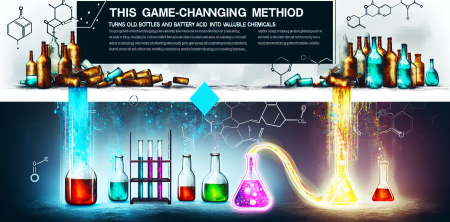
The quest for sustainable practices in industrial manufacturing is reaching a crucial turning point. As the world grapples with the dual challenges of plastic pollution and the need for cleaner industrial processes, a groundbreaking method developed by researchers at MIT presents a revolutionary way to convert waste into valuable resources. Through innovative techniques, discarded plastic bottles and battery acid can now be transformed into essential industrial chemicals, all while achieving remarkable efficiency and cost reductions. This revolutionary approach not only tackles the pressing issue of plastic waste but also holds immense potential for enhancing industrial chemical production.
The Research Breakthrough
On May 8, 2026, a team led by Dr. Elena Vasquez published their findings, detailing a method that has the potential to change the landscape of industrial chemical production. The focus of their research is on creating terephthalic acid, a key component in the manufacture of plastics and polyesters, which has traditionally been derived from petroleum-based sources. The team achieved an impressive conversion efficiency of over 90% during laboratory tests, marking a significant advancement in the field.
Turning Trash into Treasure
The process utilizes a straightforward catalytic reaction that operates at low temperatures, making it not only efficient but also environmentally friendly. The incorporation of waste materials such as plastic bottles and battery acids into the production process not only addresses the growing global plastic pollution crisis but also aligns with the urgent need for sustainable industrial practices. By turning waste into industrial chemicals from waste, this method exemplifies a 'circular economy' approach, where materials are continuously repurposed rather than discarded.
Understanding Terephthalic Acid and Its Importance
Terephthalic acid is a critical raw material in the production of various polymers and textiles, especially in the manufacturing of polyethylene terephthalate (PET) plastics, which are ubiquitous in consumer products ranging from bottles to clothing. The ability to produce this acid from waste not only diversifies the sources of raw materials but also reduces dependence on fossil fuels, which have long been the backbone of the plastics industry.
Efficiency Meets Scalability
The efficiency of the process, with over 90% conversion rates, positions it as a viable alternative to traditional terephthalic acid production methods. Additionally, Dr. Vasquez and her team emphasize the scalability of their method, suggesting that it can be adapted for large-scale industrial application. The potential to slash production costs by 40% presents a compelling case for industries looking to transition towards more sustainable practices.
The Environmental Implications
The environmental implications of this research cannot be overstated. With millions of tons of plastic waste generated worldwide each year, finding innovative ways to repurpose this material is crucial for mitigating its harmful effects on ecosystems and human health. The fact that this method also addresses toxic battery waste—often difficult and expensive to dispose of—adds another layer of significance to the study.
A Response to Plastic Pollution
Plastic pollution poses a severe threat to marine life, terrestrial ecosystems, and public health. By converting waste into valuable industrial chemicals, researchers are not only addressing the symptoms of plastic pollution but are also offering a sustainable solution that could redefine waste management practices. The #WasteToWealth movement on social media platforms like TikTok and Twitter highlights the burgeoning interest in sustainable innovations, capturing public imagination and interest.
Broader Applications and Future Prospects
The implications of this research extend far beyond the production of terephthalic acid. As industries increasingly seek out sustainable solutions, the ability to convert various types of waste into high-value chemicals could revolutionize multiple sectors, including construction, automotive, and electronics. The challenge now lies in overcoming the technical and economic barriers to widespread implementation.
Real-World Applications
- Textile Industry: By providing an alternative source of terephthalic acid, the textile industry can reduce its reliance on petrochemical sources, promoting environmentally sustainable fashion.
- Packaging Solutions: With a focus on reducing plastic waste, this method could lead to the development of biodegradable or recyclable packaging options.
- Circular Economy Initiatives: Industries can adopt circular economy principles by integrating waste recycling into their production processes.
Challenges Ahead
Despite the promising results, several challenges remain before this method can be fully realized in industrial settings. The commercial viability of the process will depend on several factors, including:
- Investment and Funding: Significant investment will be necessary to scale up the technology and develop the infrastructure needed for widespread application.
- Regulatory Framework: Developing a regulatory framework that supports innovation while ensuring safety and environmental protection is crucial.
- Public Awareness: Increasing public awareness and acceptance of recycled products will be essential for driving demand and supporting sustainable practices.
Conclusion
The innovative research spearheaded by Dr. Elena Vasquez and her team at MIT offers a transformative solution to one of the most pressing environmental challenges of our time: plastic pollution. By demonstrating that industrial chemicals can be efficiently produced from waste materials, this method speaks to a future where sustainability is at the forefront of industrial practices. As we move towards a more environmentally conscious world, solutions like these will play a pivotal role in reshaping our relationship with waste and resources.
Ultimately, the journey of turning trash into treasure is just beginning. With continued research and collaboration between scientists, industries, and policymakers, the dream of a circular economy, where waste is no longer viewed as a liability but as a valuable resource, can become a reality.

