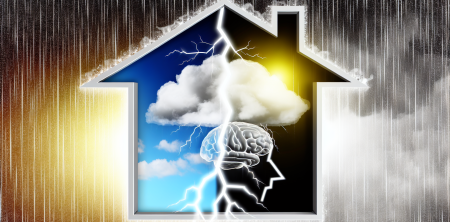
As we navigate the intricate web of factors that contribute to our mental well-being, a less discussed yet crucial element has emerged: the impact of damp housing on mental health. A recent study published in the May 2026 issue of the American Journal of Epidemiology highlights how living in damp conditions can exacerbate psychological distress, particularly among those with chronic respiratory conditions (CRCs). Through a comprehensive analysis, researchers Maria Rosa Gatto and Rebecca Bentley have revealed alarming correlations between mold, poor air quality, and increased levels of anxiety and depression.
Understanding the Link: Damp Housing and Mental Health
The findings from Gatto and Bentley's research are both compelling and concerning. They underscore how damp environments are not merely an inconvenience but a significant factor influencing mental health outcomes. The study utilized a large population-based sample to examine the specific effects of damp housing on psychological distress. The results were striking, showing a clear association between the presence of dampness in homes and heightened mental health challenges.
The Role of Chronic Respiratory Conditions
One of the most revealing aspects of the study is its focus on individuals with chronic respiratory conditions. For these individuals, the implications of living in damp housing are particularly severe. The researchers found that the mental health impacts of damp environments were significantly stronger for those suffering from CRCs. This suggests that the physical health ramifications of poor housing conditions can compound psychological distress, creating a vicious cycle that is difficult to break.
The Statistics Behind the Study
Gatto and Bentley's research presents some key statistics that help paint a clearer picture of the situation:
- Patients with CRCs living in damp housing reported increased levels of anxiety and depression compared to their counterparts in drier homes.
- The study observed a significant association between exposure to mold and poor air quality and the prevalence of psychological distress.
- Overall, the data emphasized the urgency of addressing housing standards to mitigate these mental health risks.
Emotional Outrage and Calls for Reform
The revelations from this study have sparked widespread emotional outrage on social media platforms. Many users expressed disbelief that something as common as dampness in a home could lead to such severe mental health consequences. The sharing of personal stories has fueled calls for affordable housing reforms, particularly as living costs continue to rise.
The emotional narratives surrounding this research highlight the profound suffering that many individuals endure due to preventable factors such as damp housing. As discussions unfold online, it has become evident that this issue extends beyond individual experiences; it is a societal concern that requires immediate attention.
What’s Next? Policy Implications
Given the strong connection between damp housing and mental health, the study's authors argue for urgent policy action to improve housing standards. With the data showing the direct impact of living conditions on psychological well-being, policymakers are urged to consider regulations that would ensure all individuals have access to safe and healthy living environments.
Moreover, public health campaigns aimed at educating homeowners and renters about the risks associated with damp housing could play a vital role in reducing the prevalence of related mental health issues. Awareness is the first step toward change, and it is essential that communities understand the importance of maintaining dry, mold-free homes.
Practical Steps for Individuals and Communities
While broad policy changes are necessary, there are also practical steps that individuals can take to mitigate the effects of damp housing on their mental health:
- Improve Ventilation: Ensure that living spaces are well-ventilated to reduce moisture accumulation.
- Regular Maintenance: Address leaks and water damage promptly to prevent mold growth.
- Use Dehumidifiers: In particularly damp environments, consider using dehumidifiers to maintain optimal humidity levels.
- Seek Professional Help: If dampness persists, consulting with professionals who specialize in home health can provide tailored solutions.
The Broader Context of Housing and Health
The findings from this study are not isolated; they fit within a broader context of research that links housing quality with health outcomes. Poor housing conditions have long been associated with various health issues, including respiratory problems, stress, and mental health disorders. This underscores the critical need for holistic approaches that consider both physical and psychological well-being in housing policies.
As concerns over affordable housing intensify, it is essential to recognize that the implications of housing extend beyond mere shelter. The environments we inhabit significantly shape our mental health and overall quality of life.
Final Thoughts
As we continue to unravel the complexities of mental health, the connection between damp housing and mental health stands out as a pressing issue. The research by Gatto and Bentley sheds light on a critical area that has been overlooked for too long. By addressing the factors contributing to dampness and poor air quality in our homes, we can take significant strides toward improving mental health outcomes for millions.
Ultimately, it is a call to action for all stakeholders—individuals, communities, and policymakers—to collaborate in fostering healthier living environments. The link between our homes and our mental health is undeniable, and it is time we prioritize the quality of our housing for the sake of our collective well-being.

