```html
1. Enhances Cognitive Development
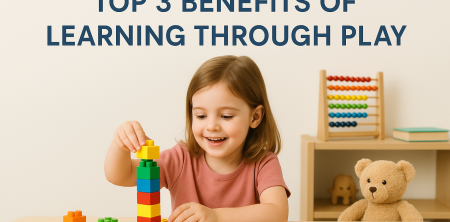
One of the most significant benefits of learning through play is its profound impact on cognitive development. Play encourages children to explore, experiment, and engage with their environment. When children participate in imaginative play, they develop critical thinking skills as they navigate different scenarios and solve problems. For instance, a simple game of building blocks not only fosters creativity but also sharpens spatial awareness and mathematical understanding.
Research supports the idea that play is not a mere pastime; it is a vital part of learning. A study published in the journal Developmental Psychology showed that children who engaged in playful learning exhibited higher problem-solving skills compared to their peers who participated in traditional learning environments. This evidence emphasizes the necessity of integrating play into early childhood education to foster an environment that promotes cognitive growth.
2. Promotes Social Skills and Emotional Intelligence
Learning through play also provides an excellent platform for developing social skills and emotional intelligence. When children engage in play, they interact with peers, negotiate roles, and learn to share and cooperate. These interactions are crucial for developing empathy, communication skills, and the ability to work within a team.
For example, in a sandbox setting, children learn to express their feelings when they encounter conflict over toys or space. Over time, they learn negotiation techniques and how to manage their emotions, which are essential life skills. A study from The American Journal of Play indicates that children who engage in cooperative play are more likely to exhibit prosocial behaviors and emotional regulation, preparing them for healthy relationships throughout their lives. Related reading: explore emotional intelligence strategies.
3. Encourages Physical Development
Physical development is another vital aspect of learning through play. Active play, whether it’s running around outside, climbing, or playing sports, promotes gross motor skills and overall physical health. Engaging in physical play not only helps children develop coordination and strength but also encourages a lifelong habit of staying active.
According to the Centers for Disease Control and Prevention (CDC), children aged 2 to 5 should engage in at least three hours of active play each day. Activities such as tag, obstacle courses, or sports help improve cardiovascular health, strengthen muscles, and enhance motor skills. As children learn to navigate their bodies in space, they also boost their confidence and self-esteem, which is essential for their overall development.
4. Fosters Creativity and Imagination
Creativity and imagination flourishes in an environment where play is encouraged. Through play, children are free to explore different roles, scenarios, and ideas without the constraints of structured learning. This freedom is vital for fostering innovation and creative thinking.
Take, for instance, role-playing games where children can be anything from a doctor to an astronaut. Such scenarios allow them to express their thoughts and feelings while experimenting with different outcomes. The National Association for the Education of Young Children emphasizes that imaginative play is critical for creative development, as it stimulates children's ability to think outside the box and approach problems from various angles.
5. Builds Resilience and Coping Skills
Through play, children are often faced with challenges, whether it's losing a game or navigating social disagreements. These experiences teach them resilience and the ability to cope with setbacks. Learning through play allows children to test boundaries and understand the consequences of their actions in a low-risk environment.
For example, when a child faces defeat in a game, they learn to manage disappointment and develop a growth mindset, which emphasizes the importance of effort and perseverance. The educational resource Edutopia highlights how play-based learning fosters resilience, equipping children with the skills to tackle challenges both in their early years and later in life.
6. Encourages Independent Learning
Another remarkable benefit of learning through play is the promotion of independent learning. When children engage in self-directed play, they take the initiative to explore their interests, ask questions, and seek answers. This autonomy is critical for developing a sense of ownership in their educational journey. (See: CDC on learning through play.)
Consider a child who decides to build a fort using cushions and blankets. This activity not only promotes creativity but also encourages problem-solving skills as the child figures out how to balance the structure. By allowing children to guide their learning experiences, educators and caregivers foster independence, which is essential for lifelong learning. Research from the International Journal of Child Care and Education Policy suggests that independent learning during early childhood significantly correlates with academic success later on.
7. Integrates Multisensory Learning
Learning through play often involves multisensory experiences, which engage children on various levels. When children participate in activities that involve touch, sight, sound, and movement, they are more likely to retain information and develop a deeper understanding of concepts.
For instance, using sand in play can help children learn about textures, weight, and even basic physics principles as they create and manipulate shapes. The Journal of Educational Psychology highlights how multisensory activities cater to different learning styles, ensuring that all children can benefit from educational experiences. This holistic approach to learning not only makes the process enjoyable but also maximizes information retention.
8. Creates a Safe Space for Learning
Play provides a safe space for children to explore new ideas and concepts without fear of failure. In a playful environment, mistakes are seen as opportunities for growth rather than setbacks. This nurturing atmosphere fosters a love for learning and encourages children to ask questions and seek out new challenges.
For educators, creating such an environment means prioritizing play in the curriculum. The Harvard Graduate School of Education reports that when children feel safe and supported, their willingness to take risks in learning increases, leading to more profound educational outcomes. This safe space not only enhances academic performance but also supports emotional well-being. There's a fuller look at dimensions of emotional intelligence.
9. Strengthens Family and Community Bonds
Learning through play isn't limited to the classroom; it extends into family and community settings, strengthening bonds and fostering social connections. Family game nights, community sports, and playdates provide opportunities for shared experiences that enhance relationships.
Additionally, community involvement in play-based initiatives can foster a sense of belonging and unity. Research from the American Journal of Community Psychology indicates that engaging in community play initiatives can improve social cohesion, reduce isolation, and promote well-being among families. By prioritizing play, communities can nurture healthy relationships that benefit everyone involved.
10. Emphasizes Lifelong Learning
Finally, the concept of learning through play underscores the importance of lifelong learning. When children experience the joy of learning in a playful context, they are more likely to carry that enthusiasm into adulthood. This foundation sets the stage for continual growth and exploration throughout their lives.
Organizations like the World Economic Forum advocate for play-based learning as a means to cultivate curiosity and a love for learning that persists long after formal education ends. By instilling the values of inquisitiveness and joy in learning, we prepare future generations to adapt and thrive in an ever-changing world.
11. Understanding Different Types of Play
To fully appreciate learning through play, it’s essential to recognize the different types of play that can facilitate various learning experiences. Each type of play—be it free play, guided play, or structured play—offers unique benefits that contribute to a child's development.
Free Play: This is unstructured and child-led, allowing children to engage in play without adult intervention. Free play encourages creativity and self-expression, letting children explore their interests. For example, children playing in a park might invent their games, use imaginative scenarios, or create stories around their interactions. This builds on teachers using animation effectively.
Guided Play: In this type, an adult provides a structure while still allowing children to lead the play. This method can enhance learning by introducing specific goals while ensuring children stay engaged. For instance, a teacher might set up a science experiment and allow children to investigate while asking guiding questions that prompt deeper thinking. (See: NIH on benefits of play.)
Structured Play: This involves games with rules that often require teamwork, strategy, and critical thinking. Board games or sports are prime examples. They teach children about taking turns, following rules, and collaboration, which are essential skills both in and out of the classroom.
12. Impact of Technology on Learning Through Play
As technology continues to evolve, its integration into play has opened new avenues for learning. Educational apps and games can be excellent tools when used appropriately, blending digital play with learning outcomes. For example, apps that incorporate puzzles and problem-solving can enhance cognitive skills while keeping children engaged.
However, it's crucial to strike a balance. Too much screen time can lead to passive learning. According to the American Academy of Pediatrics, children aged 2 to 5 should have no more than one hour of high-quality programming each day. Parents and educators should aim to complement screen time with active, hands-on play to promote a more rounded development.
13. Play-Based Learning in Various Cultures
Cultural practices can profoundly influence how children engage in play. Different cultures have unique play traditions that contribute to children's learning. For instance, in many Indigenous cultures, storytelling is a significant part of play, allowing children to learn about their heritage while developing language and social skills.
In contrast, cultures that emphasize competitive sports may focus on structured play, instilling values such as teamwork and leadership. Understanding these cultural perspectives can help educators and parents appreciate the diverse ways children learn through play and the importance of respecting these traditions in a globalized world.
14. Psychological Benefits of Learning Through Play
The psychological impacts of learning through play are equally as significant as the cognitive and social benefits. Play can serve as a vital stress reliever for children, allowing them to express emotions and engage with their feelings in a safe way. During play, children can explore anxieties and fears, such as separation from parents, death, or even social pressures in a manageable context.
Moreover, play helps build self-esteem. Children who are allowed to play freely often feel more capable and confident in their abilities. A study published in Child Development found that children who engage in regular play show greater self-confidence in social situations and academic tasks, suggesting that play is integral for mental health and well-being.
15. Frequently Asked Questions about Learning Through Play
Q1: What age is best for learning through play?
A1: Learning through play is beneficial at all ages, but it is particularly significant in early childhood (ages 0-8). During these formative years, children's brains are developing rapidly, making playful learning crucial for cognitive, social, and emotional growth.
Q2: How can parents encourage learning through play at home?
A2: Parents can create a play-friendly environment at home by providing a variety of materials (toys, arts and crafts supplies, books) that inspire creativity. Participating in play, allowing for unstructured playtime, and limiting screen time can also enhance the learning experience.
Q3: Is all play educational?
A3: While not all play is explicitly educational, much of it fosters skills that contribute to learning. Even unstructured play allows children to develop creativity, problem-solving abilities, and social skills, all of which are vital for their educational journey.
Q4: How can teachers incorporate play into a structured curriculum?
A4: Teachers can integrate play into the curriculum by using guided play techniques, incorporating educational games, and allowing for flexible learning environments. By blending play with learning objectives, teachers can create more engaging and effective educational experiences.
Q5: What are some examples of play-based learning activities?
A5: Examples include building projects with blocks, role-playing in a dramatic play area, engaging in outdoor scavenger hunts, or conducting simple science experiments. Each of these activities encourages exploration and discovery while aligning with educational goals.
Q6: Can play mitigate the effects of trauma?
A6: Yes, research indicates that play can help children cope with trauma by allowing them to express emotions and experiences in a safe environment. Play therapy is often used by professionals to help children process difficult experiences and feelings.
Q7: How can play support language development?
A7: Play fosters language development by providing opportunities for children to communicate during interactions. Role-playing scenarios encourage children to use new vocabulary and practice conversational skills as they engage with peers. Studies show that children who engage in imaginative play often demonstrate advanced language skills, making it a critical component of early literacy.
Q8: Can learning through play help with behavioral issues?
A8: Absolutely. Engaging in play helps children learn to manage their emotions and understand social cues. For children with behavioral challenges, structured play can teach them self-regulation and coping strategies. Programs that incorporate play therapy have shown success in improving behavior and social interactions.
Q9: How does play impact academic performance?
A9: Research indicates a strong correlation between play-based learning and improved academic performance. Children who engage in play tend to develop stronger problem-solving skills, creativity, and social competence, all of which contribute to better learning outcomes. Schools that incorporate play into their curriculum often report higher levels of student engagement and academic success. (fostering creativity in kids)
Q10: What role does outdoor play have in learning?
A10: Outdoor play is essential for children’s physical and cognitive development. It allows for exploration and discovery in a natural environment that stimulates curiosity. Activities like climbing, running, and nature walks enhance motor skills and provide rich learning experiences that cannot be replicated indoors. Studies suggest that outdoor play is linked to improved attention spans and reduced stress.
Embracing play as a pivotal learning tool not only enriches the educational experience but also contributes to holistic development. By understanding and advocating for learning through play, we can better equip children for future success.
```
Trending Now
Frequently Asked Questions
What are the cognitive benefits of learning through play?
Learning through play significantly enhances cognitive development by encouraging children to explore and engage with their environment. Activities like building blocks promote critical thinking, spatial awareness, and problem-solving skills, which are vital for academic success.
How does play promote social skills in children?
Play provides a platform for children to interact with peers, negotiate roles, and share resources. These interactions help them develop essential social skills, such as empathy and communication, which are crucial for building healthy relationships.
What role does play have in emotional intelligence?
Learning through play fosters emotional intelligence by helping children manage their emotions and navigate conflicts. Through cooperative play, children learn negotiation and emotional regulation, preparing them for future social interactions and relationships.
Can play improve problem-solving skills?
Yes, play significantly improves problem-solving skills. Studies have shown that children engaged in playful learning exhibit higher problem-solving abilities compared to those in traditional learning environments, highlighting the importance of play in education.
How does play contribute to physical development?
Play encourages physical development by promoting active movement and coordination. Activities that involve running, jumping, or climbing help build strength, balance, and overall motor skills, which are essential for a child's physical growth.
Have you experienced this yourself? We'd love to hear your story in the comments.

