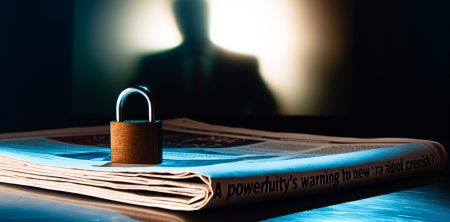
The Trump administration has taken a bold and controversial step in its ongoing battle with the media, threatening to revoke the broadcasting licenses of news outlets that provide critical coverage of the U.S. military actions in Iran. This unprecedented move has raised alarms about press freedom and the role of journalism in a democratic society.
Background on the Situation
As tensions between the United States and Iran escalated, the media's role in reporting on these developments became a focal point for the Trump administration. On March 15, 2026, Federal Communications Commission (FCC) Chairman Brendan Carr took to social media to announce that broadcasters must adhere to the principle of operating in the public interest. Failure to do so, he warned, could result in the loss of their broadcasting licenses.
Specific Threats Made
Carr's remarks were not just vague statements of discontent; they were directly aimed at specific media outlets that he accused of perpetuating "hoaxes and news distortions" regarding the war against Iran. The chairman emphasized that broadcasters should seize the opportunity to 'correct course' before their licenses come up for renewal. This statement has been interpreted by many as a thinly veiled threat to media organizations that do not align with the administration's narrative.
The Implications for Press Freedom
This escalation in pressure represents a significant departure from traditional norms surrounding the relationship between the government and the press. Historically, the media has served as a watchdog, providing checks and balances on government actions. However, the Trump administration's tactics suggest an emerging pattern of intimidation, aimed at stifling dissenting voices.
Legal experts and journalists have expressed concerns about the implications of such threats. Threatening to revoke licenses not only undermines the independence of the press but could also lead to a chilling effect where media outlets avoid critical reporting out of fear of repercussions. This scenario raises serious questions about the future of investigative journalism and the public’s right to know.
The Role of the FCC
The FCC has historically played a crucial role in regulating communications in the United States, and its decisions can have far-reaching impacts on media freedom. Carr's recent statements add a new layer of complexity to the FCC's mission, as it now appears to be wielding its regulatory power as a weapon against dissenting viewpoints.
Critics argue that such actions could lead to a slippery slope where the government exerts undue influence over media narratives. The potential for the FCC to selectively enforce broadcasting standards based on political alignment raises serious ethical concerns and could set a dangerous precedent for future administrations.
Reactions from the Media and Advocacy Groups
Media organizations and press freedom advocacy groups have responded with outrage to the administration's tactics. The Reporters Committee for Freedom of the Press released a statement condemning the FCC's threats, insisting that the government must not interfere with journalistic integrity. They argued that the media's role is to inform the public, not to serve as a mouthpiece for the government.
Furthermore, the ACLU emphasized that the First Amendment protects against government reprisal for critical reporting, calling the FCC's actions potentially unconstitutional. This situation has ignited a broader conversation about the importance of safeguarding press freedom in the face of political pressures.
Historical Context of Government-Media Relations
Historically, administrations have attempted to control narratives during times of war; however, direct threats against media outlets are rarely seen in modern democracies. The Vietnam War is often cited as a period when the government struggled to manage media narratives, but the outright intimidation of news agencies is a more recent phenomenon that has raised alarms among journalists and civil rights activists alike.
Future Outlook
The Trump administration's threats against news outlets signal a worrying trend that could shape the media landscape for years to come. As tensions with Iran continue, the potential for further governmental pressure on media coverage looms large. Observers are keenly watching how both the media and the public will respond to these challenges.
Ultimately, the relationship between the government and the press must be rooted in mutual respect and accountability. The recent actions taken by the Trump administration may serve as a wake-up call for journalists and citizens alike to advocate for stronger protections for media freedom.
Conclusion
As the battle over media narratives continues, it is crucial for the public to stay informed and engaged. Supporting independent journalism and advocating for press freedoms are vital steps in ensuring that democracy remains robust and transparent. The threat posed by government overreach into media operations is one that affects everyone, and it is imperative to recognize the importance of a free and independent press in a functioning democracy.

