```html
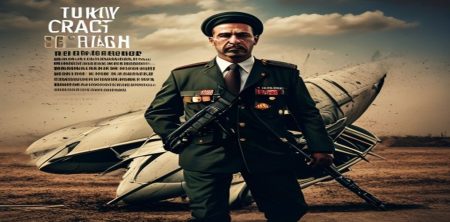
In a tragic turn of events, a jet crash in Libya has claimed the lives of some of the nation's top military leaders, including its chief military commander. The incident has not only drawn attention within Libya but has sent ripples across the international community, with Turkey taking the lead in analyzing the black boxes from the aircraft. As questions swirl around the nature of the crash, the implications it holds for Libya and the wider region have become a focal point of intense scrutiny and debate.
The Fatal Incident: What Happened?
On July 5, 2026, a military jet crashed under circumstances that remain unclear, resulting in the loss of high-ranking officials. The Libyan Prime Minister confirmed the fatalities and quickly ramped up calls for transparency. The military chief, alongside other senior officials, was aboard the aircraft, adding to the significance of this tragedy. The crash occurred amidst ongoing tensions in Libya, leading many to speculate whether it was a result of mechanical failure or something more sinister.
Turkey’s Role: Analyzing the Black Boxes
In the wake of the incident, Turkey has stepped in to assist with the investigation, particularly in analyzing the black boxes of the crashed aircraft. These devices are crucial for understanding what occurred in the moments leading up to the tragedy. The black boxes contain flight data and cockpit voice recordings, which can provide insights into the aircraft's operation and any communications between the crew. Turkish officials have emphasized their commitment to unraveling the truth behind this devastating event.
International Investigators on the Scene
As the investigation unfolds, international experts have begun arriving in Libya to support the efforts to discern whether this was a tragic accident or a deliberate act. The presence of foreign investigators underscores the gravity of the situation, with various nations invested in understanding the implications of the crash. This heightened scrutiny may not only reveal the circumstances surrounding the incident but also shed light on broader geopolitical dynamics in the region.
Public Reaction: Outrage and Fear
The news of the crash has sparked a wave of outrage on social media, with citizens expressing deep concern over the potential ramifications for Libya's stability. Many are questioning the safety protocols in place for high-ranking officials, while others are speculating about possible sabotage or a targeted attack. This fear has circulated widely, feeding into a narrative of distrust and uncertainty that has plagued Libya since the fall of Muammar Gaddafi in 2011.
Accountability: The Demand for Answers
Libyan citizens and international observers are demanding accountability for the crash. The calls for transparency have become a rallying point, underscoring the need for a thorough investigation that does not shy away from uncomfortable truths. Political analysts suggest that this incident could serve as a critical moment for both the Libyan government and the international community, as failure to address questions surrounding the crash might lead to further unrest.
The Broader Implications for Libya
This jet crash comes at a time when Libya is already grappling with a fragile political landscape. With various factions vying for power, the death of the military chief could exacerbate existing tensions and lead to a power vacuum. Observers are concerned that the incident may embolden rival groups or spur retaliatory actions, potentially dragging the country further into chaos.
Geopolitical Ramifications: The Regional Outlook
The implications of the Turkey jet crash extend beyond Libya’s borders. Neighboring countries are closely monitoring the situation, recognizing that the fallout from this tragedy could reshape alliances and influence security dynamics in the region. With Turkey playing a pivotal role by assisting in the investigation, its position within North Africa’s geopolitics may be reevaluated, raising questions about its intentions and future involvement.
Media Coverage and Global Response
The incident has captivated global media, with outlets covering every aspect of the crash, from the investigation to the emotional reactions of Libyan citizens. The coverage has fueled discussions about the broader state of affairs in Libya and the international community's role in stabilizing the region. Experts emphasize that the way this story unfolds could determine the narrative surrounding Libya's future and its relationship with the world.
What’s Next? The Path Forward
As Turkey begins the critical task of analyzing the black boxes, the world watches closely. The investigative process will be pivotal in uncovering the truth behind the crash and providing clarity to both Libyan citizens and international stakeholders. The next steps taken by the Libyan government and the findings from the investigation will likely shape the political landscape in Libya for years to come. Will this incident unite a fractured nation, or will it deepen divisions? Only time will tell. (See: BBC article on Libya's military tensions.)
This tragic event serves as a stark reminder of the fragility of peace in Libya, and the need for robust international cooperation in addressing the myriad challenges facing the country. As the investigation unfolds, the call for transparency and accountability remains ever more critical, echoing the sentiments of a populace desperate for stability and security.
Understanding Jet Crashes: A Deeper Look
Jet crashes, while often rare, can have catastrophic consequences, especially when involving military aircraft. Several factors contribute to such incidents, including technical malfunctions, human error, and external conditions. Analyzing the historical context of jet crashes helps to provide a clearer picture of their implications.
Historical Context: Notable Jet Crashes
Throughout aviation history, numerous military and commercial jet crashes have left significant impacts on their respective nations. For instance, the 1982 crash of an Air Canada flight demonstrated the importance of pilot training and mechanical reliability, leading to changes in aviation safety standards. More recently, the crash of Malaysia Airlines Flight MH17 over Ukraine in 2014 raised questions about airspace security in conflict zones, leading to international policy discussions.
Technical Factors: What Often Goes Wrong?
Technical failures can arise from various sources, including outdated equipment, lack of maintenance, or design flaws. For military jets, which often operate under extreme conditions, the stakes are even higher. Faulty navigation systems, engine malfunctions, and electrical failures can all contribute to a crash. Understanding these factors can aid in preventing future incidents.
The Role of Human Error
Statistics indicate that human error is a leading cause of aviation accidents, accounting for approximately 70% of all crashes. Factors such as miscommunication, fatigue, or decision-making under pressure play significant roles. In military contexts, the stakes are amplified, as personnel often operate in high-stress environments, making split-second decisions that can have life-or-death consequences.
Potential Consequences of the Crash on Military Operations
The loss of top military leaders in the jet crash may have immediate implications for Libya's military operations. With a power vacuum created by the sudden absence of key officials, command structures could become unstable, leading to disorganization within the ranks. Rival factions may take this opportunity to assert control, potentially reshaping the military landscape in Libya.
Impact on Security Forces
The security forces, essential for maintaining order and stability, could find themselves under increased scrutiny. The crash may ignite debates surrounding military readiness and the effectiveness of current leadership. Calls for reform can emerge, asking for better training protocols and operational oversight to prevent a repeat of such tragedies.
International Military Relationships
This incident may also influence Libya's military relationships with other nations. Countries that previously collaborated with Libya may reconsider their alliances or arms deals, fearing instability. Conversely, nations may see this as an opportunity to engage more deeply, offering support and resources to help rebuild Libya’s military structure.
FAQs: Turkey Jet Crash
What caused the Turkey jet crash in Libya?
The precise cause of the crash remains under investigation. Potential factors include mechanical failure, human error, or external sabotage. Investigators are currently analyzing the black boxes to determine the exact circumstances.
What role is Turkey playing in the investigation?
Turkey has taken a significant role in the investigation by assisting in the analysis of the black boxes, which contain critical data and recordings from the aircraft. Turkish officials aim to help uncover the truth behind this tragedy.
How has the international community reacted?
International reactions have been varied, with countries expressing condolences and calling for transparency in the investigation. Many nations are closely monitoring the situation due to its potential geopolitical implications.
What are the potential long-term effects of the crash on Libya?
The long-term effects could include increased instability, a shift in military power dynamics, and renewed calls for accountability within the government. The incident might exacerbate existing tensions among rival factions in Libya. (See: New York Times report on jet crash.)
Are there safety measures in place for military aircraft in Libya?
While safety measures are typically in place, the effectiveness of these protocols can vary. The crash has raised questions about the adequacy of current safety standards and whether they need reevaluation or enhancement.
What can be done to prevent similar incidents in the future?
Preventive measures can include improving aircraft maintenance protocols, enhancing pilot training, and conducting regular safety audits. International collaboration can also play a crucial role in sharing best practices and resources for military aviation safety.
Understanding the Investigative Process
The investigation of a jet crash can be a complex and lengthy process. It typically involves multiple agencies, including national aviation authorities, military oversight groups, and in some cases, international organizations. Understanding how investigations are conducted can help provide insight into their outcomes.
Steps in an Investigation
The initial step in any investigation is securing the crash site to preserve evidence. Investigators will gather information from the flight data recorder and cockpit voice recorder, conducting a meticulous analysis of the data. They also look at maintenance records, pilot qualifications, and operational procedures.
Witness testimonies play a crucial role in piecing together the events leading up to the crash. These can include accounts from other pilots, air traffic controllers, and local residents. Together, all this data helps in constructing a comprehensive narrative of the incident.
Challenges Faced by Investigators
Investigators often face significant challenges, particularly in politically sensitive regions. In Libya’s case, the volatile security situation can hinder access to the crash site and limit cooperation from local authorities. Additionally, the presence of multiple factions complicates efforts to gather unbiased information.
The Role of Technology in Investigations
Modern investigative techniques utilize advanced technology to analyze data from the crash. For example, simulation software can recreate the flight path and operational conditions, allowing investigators to understand how the crash occurred. Drones may also be employed to survey the crash site for additional evidence. Such technologies are reshaping how aviation accidents are investigated, making some processes more efficient and thorough.
Potential Political Repercussions
The political ramifications of the crash could reverberate through Libya’s already fragile government. With the loss of significant military figures, shifts in power dynamics may occur, potentially leading to a realignment of political alliances. Various factions could seek to capitalize on the situation, which might provoke further unrest or violence.
Impact on Governance and Civil Order
In a nation where governance is continually contested, the absence of top military leaders may create a power vacuum, leading to increased infighting among rival groups. This could destabilize regions already fraught with conflict. The outcome may also hinge on how the Libyan government responds to the crisis, with effective leadership potentially mitigating some of the fallout.
International Response and Pressure
International stakeholders might apply pressure on the Libyan government to implement reforms and improve military accountability. With Turkey’s involvement in the investigation, there could be calls for greater democratic oversight of military operations in Libya, as well as increased transparency in military dealings. (See: Reuters coverage of the military jet crash.)
The Human Aspect: Personal Stories
Beyond the technical and political ramifications, it’s essential to remember the human side of this tragedy. The loss of high-ranking military leaders affects families, friends, and colleagues, and reverberates throughout communities. Personal stories of those on board may emerge, painting a picture of the individuals who served their country and the impact of their loss.
Remembering the Victims
As investigations continue, memorials may be held to honor the lives lost in the crash. Community gatherings can help foster a sense of unity among grieving citizens, promoting healing while also serving as a platform to express frustrations regarding the governance and safety of military operations.
The Role of Media in Humanizing the Tragedy
Media coverage that highlights personal stories can aid in humanizing the tragedy and creating a deeper understanding of its impact. Coverage focusing on the individuals lost can foster empathy and encourage discussions surrounding the need for improvements in military oversight and accountability.
Looking Ahead: What Changes Might Occur?
The Turkey jet crash may serve as a catalyst for significant changes in Libya’s military and political landscape. Depending on the findings of the investigation and the subsequent reactions from the government and public, various reforms could be initiated.
Reform in Military Protocols
There may be a renewed focus on military protocols, emphasizing better training and stringent safety measures. This could involve collaborations with international military experts who can provide insights and assist in the development of more robust training programs.
Shifts in Foreign Policy
Turkey’s involvement in the investigation may lead to shifts in Libya’s foreign policy. As Turkey solidifies its role as a key player in the region, Libya may find itself navigating complex geopolitical waters, balancing relationships with multiple countries while addressing internal challenges.
Conclusion
The jet crash in Libya is more than a tragic event; it's a pivotal moment that could impact the nation's future. As investigations progress, the world will be watching closely to see how Libya navigates this crisis and what it means for the stability of the region. The demand for answers, accountability, and safety will resonate well beyond its borders, echoing through military and political discussions in the years to come.
```
Trending Now
Frequently Asked Questions
What caused the Turkey jet crash in Libya?
The exact cause of the military jet crash in Libya on July 5, 2026, remains unclear. Investigators are exploring possibilities ranging from mechanical failure to potential foul play, given the significant loss of high-ranking military officials, including Libya's military chief.
What is Turkey's involvement in the Libya jet crash investigation?
Turkey is actively involved in the investigation of the jet crash, particularly in analyzing the black boxes of the aircraft. These black boxes contain critical flight data and recordings that will help determine the circumstances leading to the tragedy.
Who died in the Libya military jet crash?
The crash resulted in the deaths of several high-ranking military leaders, including Libya's chief military commander. The loss of these officials has raised concerns about the stability of Libya amid ongoing tensions.
What are the implications of the Libya jet crash?
The implications of the jet crash extend beyond Libya, as it raises questions about the country's security and governance. International scrutiny is increasing, with multiple nations interested in the investigation's outcomes and what it means for regional stability.
Are international investigators involved in the Libya jet crash case?
Yes, international investigators have arrived in Libya to assist with the case. Their presence highlights the seriousness of the incident and the global interest in understanding whether the crash was an accident or a deliberate act.
Agree or disagree? Drop a comment and tell us what you think.

