```html
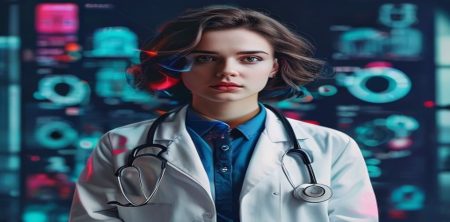
It's a startling reality: the digital landscape, particularly on platforms like TikTok, is becoming increasingly muddled with highly convincing, yet utterly fabricated, health advice. We're talking about AI-generated doctors, deepfake personas designed to look and sound like legitimate medical professionals, dishing out medical guidance that could, frankly, be deadly. A recent investigation by digital marketing agency Hallam pulled back the curtain on this alarming trend, revealing just how pervasive these synthetic health gurus have become. It's not just a fringe issue; it's a mainstream problem infiltrating our feeds and potentially jeopardizing public health on a massive scale.
Imagine scrolling through your feed, looking for genuine health tips, and encountering a perfectly coiffed, articulate 'doctor' explaining a 'miracle cure' for a serious ailment. The catch? That doctor doesn't exist, the cure is bunk, and the information could lead someone to make incredibly dangerous decisions about their well-being. This isn't science fiction; it's happening now. The sheer volume of this AI-driven misinformation is what truly raises the alarm, prompting urgent warnings from medical bodies across the UK, including the British Medical Association and NHS England. The internet, once a bastion of information, is rapidly becoming a minefield of medical falsehoods, and AI-generated doctors are at the epicenter.
1. The Deepfake Deluge: How AI-Generated Doctors Took Over Health TikTok
The scale of this problem is genuinely staggering. Hallam's study found that a jaw-dropping 40% of the top health-related videos on TikTok now feature AI-generated content. Let that sink in for a moment: nearly half of the most popular health clips you might stumble upon aren't coming from real people or verified sources. They're coming from algorithms. But it gets even worse when you drill down into specific searches. For anyone actively seeking out “health tips,” the proportion of AI-generated content skyrockets to an astonishing 84%. This isn't just a few bad apples; it's an entire orchard seemingly taken over by synthetic fruit.
These AI-generated doctors aren't just faceless text posts. They are sophisticated deepfakes, often featuring incredibly realistic avatars that move, speak, and even mimic human expressions with unsettling accuracy. They're designed to build trust, to appear authoritative and empathetic, making it incredibly difficult for the average user to discern fact from fiction. The creators behind these accounts aren't just dabbling; they're leveraging cutting-edge AI tools to craft persuasive, high-production-value content that can easily fool the casual scroller. It's a testament to how far AI has come, but in this context, it's a deeply concerning development for public safety.
2. Millions of Views, Dangerous Lies: The Reach of AI Misinformation
The problem isn't just the prevalence of these AI-generated doctors; it's their reach. These deepfake accounts aren't languishing in obscurity; they're racking up millions of views, spreading their dubious advice far and wide. Think about the sheer virality of TikTok – a single video can explode overnight, reaching a global audience in hours. When that video contains medical misinformation, the potential for harm becomes immense. We're talking about disproven cancer myths being presented as legitimate advice, or promotions for non-existent 'cures' that prey on people's desperation and vulnerability.
This isn't just about minor inaccuracies; it's about content that could actively lead people away from evidence-based medicine and towards dangerous alternatives. Imagine someone with a serious illness, perhaps cancer, seeing a deepfake doctor promoting an unproven 'natural' remedy and deciding to forgo conventional treatment. The consequences could be catastrophic. The emotional weight of health-related content, especially when it touches on life-and-death issues, makes this particular brand of AI deception incredibly potent and perilous. It exploits our inherent trust in medical authority, even when that authority is entirely artificial.
3. The Cancer Myth Machine: Spreading Disproven Theories
One of the most insidious aspects of this phenomenon is the way AI-generated doctors are being used to resurrect and amplify long-debunked medical myths, particularly concerning cancer. We've seen these narratives before – miraculous diets, obscure supplements, or 'alternative' therapies that promise cures without any scientific backing. What's different now is the hyper-realistic, convincing packaging these myths are being delivered in. An AI avatar, presented as a medical professional, gives these old lies a new, dangerous veneer of credibility.
The medical community has spent decades combating misinformation around cancer, emphasizing the importance of early diagnosis and evidence-based treatments like chemotherapy, radiation, and surgery. To see AI-generated doctors undoing that progress by promoting disproven remedies or claiming certain foods 'cause' or 'cure' cancer without scientific basis is infuriating and heartbreaking. It undermines public health messaging and can lead vulnerable individuals to delay or reject life-saving treatments in favor of ineffective and potentially harmful alternatives. This isn't just about spreading false information; it's about actively endangering lives under the guise of help.
4. Non-Existent Products and Phantom Cures: The Commercial Angle
It’s not just about spreading general misinformation; many of these AI-generated doctors have a clear commercial agenda. They're often used to promote non-existent products, 'miracle cures,' or dubious supplements that promise incredible health benefits with zero scientific proof. Think about the classic snake oil salesman, but now amplified by advanced AI and the global reach of social media. These deepfake personas build trust, then leverage that trust to push products that are at best ineffective, and at worst, actively harmful. (See: BBC report on AI-generated misinformation.)
The monetization potential here is massive, which is precisely why these operations proliferate. Creators can generate income through affiliate links, direct sales of their 'products,' or even by simply driving traffic to ad-supported websites filled with more misinformation. The lack of accountability for an AI-generated entity makes it a perfect vehicle for this kind of scam. There’s no physical person to track down, no medical license to revoke. It's a ghost in the machine, profiting from human credulity and desperation. This commercial exploitation adds another layer of danger, as people not only receive bad advice but also potentially waste money on useless or harmful substances.
5. Warnings from the Top: Medical Bodies Speak Out
This isn't just a concern for digital marketing agencies; it's a grave worry for the pillars of the medical establishment. Prominent organizations like the British Medical Association (BMA) and NHS England have issued explicit warnings about the significant public safety risks posed by these AI-generated doctors. When institutions of this caliber speak out, you know the problem is serious. Their warnings highlight not only the direct danger of misinformation but also the broader erosion of trust in legitimate medical advice.
The BMA, representing doctors across the UK, has emphasized that this kind of content can lead to patient confusion and poor health outcomes. NHS England, the country's primary healthcare provider, is deeply concerned about anything that undermines public health campaigns or encourages people to disregard professional medical guidance. These bodies understand that once trust is lost, it's incredibly difficult to regain, and the long-term impact on public health could be devastating. They're not just seeing a trend; they're seeing a fundamental threat to the doctor-patient relationship and the integrity of medical information.
6. Erosion of Trust and Patient Confusion: The Long-Term Impact
Beyond the immediate dangers of following bad advice, the proliferation of AI-generated doctors creates a much broader, more insidious problem: the erosion of trust in *all* online health information. When it becomes nearly impossible to distinguish between a legitimate doctor sharing evidence-based facts and a deepfake peddling dangerous fictions, where do people turn? The internet is often the first port of call for health queries, and if that well is poisoned with AI-generated lies, it leaves individuals utterly adrift.
This confusion can have profound effects. Patients might become overly skeptical of their real doctors, questioning diagnoses or recommended treatments because they've seen contradictory information from a convincing AI persona online. Conversely, they might blindly follow the advice of a deepfake, delaying necessary care. The doctor-patient relationship, built on trust and expertise, is fundamentally undermined. We're facing a future where genuine medical professionals might struggle even more to convey critical health messages because their voices are drowned out or distrusted amidst a sea of AI-generated noise. That's a truly frightening prospect for healthcare globally.
7. The Viral Nature of Deception: Why TikTok is a Perfect Storm
Why TikTok, specifically? The platform's algorithm is designed for virality, pushing content that generates high engagement to vast audiences. This creates a perfect storm for AI-generated doctors and their misleading content. Emotional, sensational, or counter-narrative health claims often perform incredibly well, regardless of their truthfulness. A video promising a 'secret cure' or exposing a 'hidden truth' about health is far more likely to go viral than a nuanced, scientifically accurate explanation.
Furthermore, TikTok's short-form video format is ideal for quickly delivering punchy, often oversimplified, health messages. There's little room for caveats, qualifications, or the complex explanations real medicine requires. This brevity plays right into the hands of those creating AI-generated content, allowing them to present compelling but ultimately baseless claims in an easily digestible, highly shareable package. The platform’s young demographic, who may be less equipped to critically evaluate online information, makes them particularly vulnerable targets for this kind of sophisticated deception.
8. The Monetization Machine: Why AI Deepfakes Thrive
At the heart of this deepfake phenomenon is a powerful economic incentive. Creating AI-generated doctors and their content can be relatively cheap and scalable, especially compared to hiring real medical professionals or producing genuine, research-backed health content. The return on investment for those pushing dubious products or services through these channels can be enormous, given the low overhead and vast potential reach.
The entire ecosystem is ripe for monetization. From direct sales of fake supplements to affiliate marketing for unproven devices, or even simply driving ad revenue through clicks on misleading health articles, the financial incentives are clear. There’s a distinct lack of legal or ethical accountability for an AI persona, making it a low-risk, high-reward venture for bad actors. This robust monetization potential means the problem isn't going to disappear on its own; in fact, without concerted efforts from platforms and regulators, it's likely to intensify as AI technology becomes even more sophisticated and accessible.
9. Fighting Back: Identifying AI Misinformation and Protecting Yourself
So, what can we, as users, do about this deluge of AI-generated doctors and their dangerous misinformation? The first step is awareness. Knowing that a significant portion of online health content is fake is crucial. Develop a healthy skepticism. If a health claim seems too good to be true, if it promises a 'miracle cure,' or if it contradicts established medical consensus, it probably isn't true.
Always verify information, especially health-related advice, with reputable sources. Think about organizations like the NHS, the World Health Organization, or established medical journals. Look for verifiable credentials and transparency from content creators. Does the 'doctor' have a real name, a real practice, and a traceable professional history? Often, AI-generated doctors lack these fundamental markers of authenticity. Tools for deepfake detection are also emerging, though they are still in their infancy. Ultimately, fostering strong media literacy skills and understanding how AI can be misused is our best defense against this growing threat to public safety and well-being. Don't let a convincing AI avatar trick you into making dangerous health decisions; your health is too important for that. (See: WHO on information and communication technology.)
10. The Regulatory Laggards: Why Platforms Struggle to Keep Up
The rapid advancement of AI technology, particularly in deepfake generation, has created a significant challenge for social media platforms like TikTok. Regulating this content is a monumental task, and frankly, the platforms are often playing catch-up. They face immense pressure to balance user-generated content, free speech concerns, and the need to combat harmful misinformation. The sheer volume of videos uploaded daily makes manual review impossible, and even AI-powered moderation tools struggle to identify sophisticated deepfakes, especially when they're designed to mimic human speech and appearance so convincingly.
There's also the issue of jurisdiction. Misinformation can originate from anywhere in the world and spread globally, making it difficult for any single country's regulations to be fully effective. While platforms have community guidelines, their enforcement can be inconsistent, and the penalties for spreading dangerous health misinformation often aren't severe enough to deter bad actors. This creates a regulatory vacuum that AI-generated doctors exploit, operating with relative impunity while platforms grapple with how to effectively police their vast digital territories. Without stronger, proactive measures and cross-border cooperation, this struggle will likely continue.
11. Expert Perspectives: What Healthcare Professionals Are Saying
Beyond the official warnings from medical bodies, individual healthcare professionals are expressing significant alarm. Dr. Anya Sharma, a GP based in London, recently shared her frustrations: "Patients are coming into my surgery with printouts from TikTok, questioning established medical advice because an AI 'doctor' told them otherwise. It's incredibly frustrating and dangerous. We spend years training, staying updated, and building trust, only for an algorithm to undo that in a 60-second video."
Similarly, Dr. Mark Henderson, an oncologist specializing in cancer treatment, points out the psychological toll: "For cancer patients, hope is crucial, but false hope from these AI personas can lead to devastating outcomes. They'll promote unproven therapies, patients might delay proven treatments, and by the time they realize it's a scam, it's often too late." These aren't just anecdotes; they represent a widespread concern among those on the front lines of healthcare. They see the direct impact of AI-generated misinformation on patient choices and well-being, highlighting the urgent need for effective countermeasures.
12. The Broader Implications: Beyond Health Misinformation
While AI-generated doctors delivering health misinformation are a clear and present danger, it's important to recognize that this phenomenon is a canary in the coal mine for broader societal issues. The technology used to create these convincing deepfakes isn't limited to health content. We've already seen similar tactics used in political disinformation campaigns, financial scams, and even personal harassment. The ability to generate realistic, yet entirely fabricated, video and audio content at scale has profound implications for truth, trust, and public discourse across the board.
Consider the potential for AI-generated lawyers offering incorrect legal advice, or AI-generated financial advisors pushing fraudulent investments. The playbook is the same: create a convincing persona, establish false authority, and then disseminate misleading information, often with a commercial or manipulative intent. The health sector is simply one of the most vulnerable and emotionally charged areas, making it a prime target. Addressing the problem of AI-generated doctors effectively could provide valuable lessons and frameworks for combating similar threats in other critical domains, underscoring the urgency of finding solutions.
13. Statistical Snapshot: The Pervasiveness of Medical Misinformation
To put the scale of this problem into perspective, let's look at some broader statistics on health misinformation online. A study by the Pew Research Center found that a significant percentage of adults encounter health misinformation regularly. While not all of this is AI-generated, the introduction of deepfake technology amplifies the problem exponentially. For example, research published in the American Journal of Public Health noted that online health misinformation can lead to a 20-30% reduction in vaccine uptake in certain demographics, even before advanced AI deepfakes became widespread.
The sheer volume of health-related content on platforms like TikTok is staggering – billions of views daily. If even a fraction of this is AI-generated and misleading, the cumulative effect on public health literacy and decision-making is enormous. Hallam's finding that 40% of top health videos feature AI-generated content is a stark indicator of how rapidly this space has been saturated. This isn't just about a few isolated incidents; it's a systemic challenge that demands a robust, multi-faceted response.
Frequently Asked Questions About AI-Generated Doctors
Q1: What exactly are AI-generated doctors?
AI-generated doctors are synthetic digital personas created using artificial intelligence. They often feature realistic avatars that look and sound like human medical professionals. These deepfakes are designed to mimic human expressions and speech, making it difficult for users to distinguish them from real doctors. They are used to create health-related videos and content, often spreading misinformation or promoting unproven products.
Q2: Why are AI-generated doctors a problem?
They pose a significant public health risk because they spread dangerous and often disproven medical advice. This can lead individuals to make harmful decisions about their health, such as delaying or rejecting evidence-based treatments, pursuing ineffective 'miracle cures,' or wasting money on dubious products. They also erode trust in legitimate medical information and healthcare professionals.
Q3: Which platforms are most affected by AI-generated doctors?
TikTok has been identified as a particularly affected platform due to its algorithm's tendency to promote viral content and its short-form video format, which is ideal for quickly disseminating punchy, often oversimplified, health claims. However, similar deepfake content can appear on other social media platforms and websites.
Q4: How can I identify an AI-generated doctor or deepfake content?
Look for inconsistencies: slightly unnatural movements, repetitive gestures, or subtle glitches in appearance or voice. Check for verifiable credentials: does the 'doctor' have a real name, a practice, or a traceable professional history outside of the social media profile? Be skeptical of 'miracle cures,' sensational claims, or advice that contradicts established medical consensus. Always cross-reference information with reputable, official health organizations (e.g., NHS, WHO).
Q5: What are the main motivations behind creating AI-generated doctors?
The primary motivations are often financial. Creators can profit through promoting non-existent or ineffective products, affiliate marketing, or driving traffic to ad-supported sites filled with more misinformation. There's also the potential for ideological motivations, spreading specific narratives or undermining public health efforts, though commercial gain is a very common driver.
Q6: Are social media platforms doing enough to combat this issue?
Currently, platforms are struggling to keep pace with the rapid advancement of AI deepfake technology. While they have community guidelines and employ AI moderation tools, the sheer volume and sophistication of deepfake content make effective policing challenging. There's a call for stronger, more proactive measures, increased transparency, and potentially more robust regulatory frameworks to hold platforms accountable.
Q7: What can I do to protect myself and others from AI health misinformation?
Cultivate strong media literacy skills: question everything, especially health claims. Verify information from multiple reputable sources. Educate friends and family about the existence and dangers of AI-generated doctors. Report suspicious content to the platform. Don't share unverified health advice, even if it seems harmless. Your critical thinking is your best defense. See also Texas principal controversy.
```
Trending Now
Frequently Asked Questions
What are AI-generated doctors on TikTok?
AI-generated doctors on TikTok are deepfake personas that mimic real medical professionals to provide health advice. These digital creations often share fabricated medical guidance, posing significant risks as they can mislead viewers into making dangerous health decisions.
How prevalent is AI-generated health content on TikTok?
A recent study by Hallam revealed that approximately 40% of the top health-related videos on TikTok feature AI-generated content. This alarming statistic highlights the widespread nature of this issue, making it difficult for users to find genuine health information.
Why is AI-generated medical advice dangerous?
AI-generated medical advice is dangerous because it often contains misleading or false information. Viewers may follow these recommendations, believing they are from legitimate sources, which can lead to harmful health choices and jeopardize their well-being.
What warnings have been issued regarding AI health misinformation?
Medical organizations, including the British Medical Association and NHS England, have issued urgent warnings about the rise of AI-generated health misinformation on platforms like TikTok. They emphasize the need for critical evaluation of health advice encountered online.
How can I identify reliable health information on social media?
To identify reliable health information on social media, look for content from verified medical professionals or reputable organizations. Be skeptical of sensational claims, check sources, and consult healthcare providers for trustworthy advice.
What did we miss? Let us know in the comments and join the conversation.


0 Responses