```html
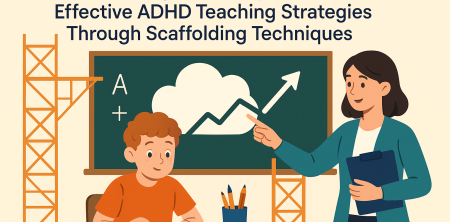
Teaching students with Attention Deficit Hyperactivity Disorder (ADHD) presents numerous challenges in educational settings. However, the application of effective ADHD teaching strategies can significantly enhance learning outcomes for these students. One particularly effective approach is the use of scaffolding techniques, which provide structured support that encourages independence while fostering comprehension and confidence. This article delves into the nuances of scaffolding, its implementation, and its effectiveness in teaching students with ADHD.
Understanding ADHD and Its Implications in the Classroom
ADHD is a neurodevelopmental disorder characterized by symptoms of inattention, hyperactivity, and impulsivity. According to statistics from the Centers for Disease Control and Prevention (CDC), approximately 6.1 million children between the ages of 2-17 have been diagnosed with ADHD in the United States. These symptoms can lead to significant challenges in traditional educational environments, where focus, organization, and behavior control are crucial for success.
Students with ADHD may struggle with tasks requiring sustained attention, following multi-step instructions, and regulating their emotions. These challenges can result in lower academic performance, increased frustration, and decreased self-esteem. Therefore, educators must adopt specific ADHD teaching strategies to create an inclusive and productive learning environment.
The Concept of Scaffolding in Education
Scaffolding is an educational approach developed from Vygotsky's Zone of Proximal Development (ZPD) theory. It involves providing tailored support to students to help them achieve tasks they cannot complete independently. The objective is to facilitate learning by gradually removing supports as students gain confidence and competence.
Effective scaffolding provides a framework for students to build on their existing knowledge while introducing new concepts in a manageable way. It is an iterative process that requires constant assessment of student understanding and needs, making it particularly well-suited for students with ADHD who may benefit from structured guidance.
Key Scaffolding Techniques for Students with ADHD
Implementing scaffolding techniques in a classroom setting can be particularly beneficial for students with ADHD. Here are some key strategies:
- Chunking Information: Breaking down complex tasks or information into smaller, more manageable parts can help students with ADHD maintain focus and reduce overwhelm.
- Visual Aids: Utilizing diagrams, charts, and visual presentations can help reinforce learning by providing visual context that aids retention and understanding.
- Modeling: Demonstrating tasks step-by-step allows students to visualize the process, making it easier for them to replicate independently.
- Peer Support: Encouraging collaboration among classmates can create a supportive learning environment where students with ADHD feel more comfortable seeking help and engaging with the material.
- Clear Instructions: Providing concise, direct instructions both verbally and in writing can help students with ADHD grasp what is expected of them without confusion.
Creating a Structured Environment
For students with ADHD, a structured learning environment is paramount. Scaffolding techniques thrive in settings where expectations are clear and resources are organized. Teachers can implement the following strategies to create a conducive learning atmosphere:
- Consistent Routines: Establishing daily routines can reduce anxiety and create predictability, allowing students to focus more on learning rather than navigating uncertainty.
- Dedicated Learning Spaces: Providing students with designated areas for different activities can help them compartmentalize tasks and maintain focus.
- Time Management Tools: Using timers, planners, and reminders can assist students in managing their time effectively, thereby enhancing their ability to complete tasks.
Implementing Scaffolding Techniques in Various Subjects
The use of scaffolding techniques can be adapted to various subjects, each requiring a thoughtful approach tailored to the curriculum. Here’s how scaffolding can be effectively employed across different subject areas:
Mathematics
In mathematics, scaffolding can facilitate understanding complex concepts such as fractions, geometry, and algebra. Teachers can use visual models, such as manipulatives and number lines, to help students visualize problems. Additionally, practicing problems in increasing order of difficulty and providing guided practice can reinforce core principles.
Reading and Language Arts
In reading, scaffolding can involve pre-teaching vocabulary, using graphic organizers to map out story elements, and guided reading sessions to model fluency and comprehension strategies. In writing, breaking the writing process into steps—such as brainstorming, drafting, and revising—can provide students with a clear roadmap to follow. (See: CDC ADHD facts and statistics.)
Science
In science education, scaffolding can be implemented through hands-on experiments and demonstrations. Teachers can guide students through the scientific method step-by-step, allowing them to engage in inquiry-based learning while developing critical thinking skills. Utilizing case studies to prompt discussions can also encourage deeper understanding.
Assessing and Monitoring Progress
Continuous assessment is a vital component of effective scaffolding. For students with ADHD, regular feedback can help them stay on track and understand their progress. Educators can use various assessment methods, including formative assessments, observational evaluations, and self-assessments to monitor student engagement and comprehension.
Incorporating student reflection can also be a powerful tool. Allowing students to express what strategies worked for them and what they found challenging can provide insight into their learning processes, helping educators adjust scaffolding techniques as needed.
Collaboration with Parents and Caregivers
Collaboration with parents and caregivers is essential for successful implementation of scaffolding techniques for students with ADHD. Open communication between educators and families can foster a supportive network that reinforces learning strategies from school to home.
Teachers can provide families with resources and strategies to replicate successful scaffolding techniques at home. This collaboration not only enhances the child's learning experience but also empowers parents to become active participants in their child's education.
Challenges and Limitations of Scaffolding
While scaffolding techniques can greatly benefit students with ADHD, it is not without its challenges. Some educators may find it difficult to balance individual student needs with a comprehensive curriculum, particularly in larger classrooms. Additionally, the effectiveness of scaffolding largely depends on the teacher’s ability to assess students’ needs accurately and adapt strategies accordingly.
Moreover, not all students may respond positively to scaffolding approaches. Some may require more intensive interventions or alternative methods tailored to their specific learning profiles. Therefore, it is crucial for educators to remain flexible and open to adjusting their strategies based on student feedback and performance.
Future Directions and Current Relevance
The relevance of scaffolding techniques in teaching students with ADHD continues to grow as educational paradigms shift towards inclusive practices. With an increased focus on individualized instruction, educators are encouraged to explore innovative scaffolding approaches that leverage technology and collaborative learning.
Recent advancements, such as educational apps tailored to ADHD learners and online resources, can enhance scaffolding efforts by providing interactive and engaging content. As educational institutions increasingly recognize the need for supportive learning environments, the role of scaffolding in meeting diverse needs will become even more critical.
Expert Perspectives on ADHD Teaching Strategies
Several experts in the field of education and psychology have weighed in on effective ADHD teaching strategies, emphasizing the importance of tailored approaches that consider the unique needs of each student. (See: NIH information on ADHD.)
Dr. Russell Barkley, a clinical psychologist and ADHD expert, advocates for the use of behavioral interventions alongside academic strategies. He argues that understanding the emotional and behavioral challenges associated with ADHD is vital for creating a supportive educational environment. He recommends implementing behavior modification techniques that reinforce positive behaviors, helping students with ADHD to build self-regulation skills.
Another key figure, Dr. Thomas E. Brown, emphasizes the role of executive function deficits in ADHD. He suggests that educators should focus on developing students’ organizational skills, time management, and planning abilities through structured activities and consistent routines. By addressing these underlying challenges, teachers can better support students in achieving academic success.
Real-World Examples of Successful ADHD Teaching Strategies
Implementing ADHD teaching strategies effectively can lead to remarkable improvements in student engagement and learning outcomes. Here are a few real-world examples that illustrate the successful application of scaffolding and other strategies in classrooms:
- Case Study: Sarah's Math Journey - In a fifth-grade classroom, Sarah, a student with ADHD, struggled with multiplication. Her teacher utilized chunking by introducing multiplication concepts through engaging games that broke down the process into smaller, manageable parts. This approach allowed Sarah to gradually develop her skills while actively participating in the learning process. Over the semester, her confidence and performance improved significantly.
- Case Study: Group Projects in Language Arts - A middle school teacher organized students into small groups for project-based learning in language arts. Students with ADHD were paired with peers who exhibited strong organizational skills. By using graphic organizers and peer collaboration, these students were able to contribute meaningfully to the project, fostering a sense of accomplishment and teamwork.
- Case Study: Interactive Science Classes - In a high school science class, a teacher incorporated hands-on experiments and visual aids to teach concepts such as chemical reactions. Students with ADHD thrived in this interactive environment, which not only catered to their learning styles but also encouraged active participation and engagement.
Statistics on ADHD in Education
Understanding the impact of ADHD on educational outcomes can be further illustrated through statistics. According to the National Center for Learning Disabilities:
- Approximately 50% of students with ADHD struggle with academic performance.
- Students with ADHD are three times more likely to have learning disabilities compared to their peers without ADHD.
- Behavioral issues stemming from ADHD can lead to higher rates of suspension and expulsion from school.
These statistics underscore the necessity for effective ADHD teaching strategies that cater to individual learning needs and create equitable opportunities for success.
Frequently Asked Questions (FAQ)
1. What are the best teaching strategies for students with ADHD?
Some of the best strategies include scaffolding techniques, the use of visual aids, clear communication, and creating a structured environment. These strategies help maintain focus, provide clarity, and foster independence among students with ADHD.
2. How can I support a student with ADHD in my classroom?
Support can be provided by establishing consistent routines, using positive reinforcement, offering flexible seating arrangements, and maintaining open communication with the student and their family. Tailoring approaches based on their specific needs is crucial.
3. Can technology aid in teaching students with ADHD?
Yes, technology can play a significant role in supporting students with ADHD. Educational apps, interactive games, and digital planners can engage students and help them manage their time and tasks more effectively.
4. What role do parents play in supporting ADHD teaching strategies?
Parents can reinforce classroom strategies at home, ensuring consistency in approaches. They can also provide valuable insights into their child’s unique challenges and strengths, facilitating better collaboration with educators. (See: WHO fact sheet on ADHD.)
5. Are there any specific programs designed for students with ADHD?
Yes, various programs and interventions are specifically designed for students with ADHD, including specialized tutoring, behavioral therapy, and individualized education programs (IEPs) that outline specific accommodations and goals tailored to each student.
6. How can I create a distraction-free learning environment for students with ADHD?
Creating a distraction-free learning environment involves minimizing visual and auditory stimuli. This can be achieved by reducing clutter in the classroom, using noise-canceling headphones, and implementing flexible seating arrangements that allow students to choose locations that help them focus.
7. What should I consider when developing an IEP for a student with ADHD?
An effective IEP for a student with ADHD should include specific goals that address both academic and behavioral needs. Accommodations such as extended time for tests, frequent breaks, and modification of grading criteria can be included to support the student's learning process.
8. How important is it to use positive reinforcement with students who have ADHD?
Positive reinforcement is crucial for students with ADHD as it encourages desirable behaviors and motivates them to engage in learning. Acknowledging small achievements can significantly boost their self-esteem and drive their academic performance.
9. Are there specific instructional strategies that work best for students with ADHD?
Instructional strategies that work best for students with ADHD include hands-on learning, short instructional periods, and the use of gamification elements in lessons. These approaches help maintain engagement and minimize distractions.
10. How can I involve students with ADHD in setting their learning goals?
Involving students in setting their learning goals fosters ownership of their education. Teachers can facilitate this process by discussing strengths and challenges with the student and helping them articulate realistic, achievable goals that align with their learning preferences.
Conclusion: Embracing Effective ADHD Teaching Strategies
In conclusion, the use of scaffolding techniques represents a powerful strategy in the toolkit of ADHD teaching strategies. By breaking down complex tasks, providing structured support, and fostering collaboration, educators can empower students with ADHD to achieve their full potential. Implementing these strategies not only enhances learning outcomes but also promotes a sense of belonging and self-efficacy among students. As we move forward, embracing and refining these techniques will be essential in creating inclusive and effective educational environments for all learners.
```
Trending Now
Frequently Asked Questions
What are effective teaching strategies for students with ADHD?
Effective teaching strategies for students with ADHD include using scaffolding techniques, which offer structured support that encourages independence. Other strategies involve breaking tasks into smaller steps, providing clear instructions, and incorporating interactive activities to maintain engagement and focus.
How does scaffolding help students with ADHD?
Scaffolding helps students with ADHD by providing tailored support that allows them to tackle tasks they find challenging. This approach builds confidence and competence by gradually removing assistance as students become more capable, thus enhancing their learning experience.
What is the Zone of Proximal Development in education?
The Zone of Proximal Development (ZPD) is a concept developed by Vygotsky, describing the difference between what a learner can do independently and what they can achieve with guidance. Scaffolding is based on this theory, facilitating learning through supportive interactions.
What challenges do students with ADHD face in the classroom?
Students with ADHD often struggle with maintaining attention, following multi-step instructions, and regulating emotions, leading to difficulties in traditional educational settings. These challenges can result in lower academic performance and decreased self-esteem.
How can teachers create an inclusive environment for ADHD students?
Teachers can create an inclusive environment for ADHD students by implementing specific strategies such as scaffolding, offering clear and concise instructions, providing regular feedback, and fostering a supportive classroom culture that encourages participation and self-advocacy.
What's your take on this? Share your thoughts in the comments below — we read every one.

